








Why the Greenwich meridian is the reference meridian ?
The term GMT, Greenwich Mean Time, dates back to 1675. It was only in 1880 that Greenwich was adopted as the world's legal time. Greenwich is today the time It's a global reference standard, but where does it come from? We'll explain everything in this article.
GMT, “Greenwich Mean Time”: meaning
The term GMT, from the English " Greenwich Mean Time " refers to Greenwich Mean Time and dates back to 1675. At that time, establishing a mean time in a given village was intended to help sailors determine their longitude at sea. The Royal Observatory Greenwich, located in this London district, helped British sailors calculate their longitude relative to the Greenwich meridian. The acronym GMT stands for Greenwich Mean Time, the meridian passing through the Royal Observatory Greenwich in England. While many railway companies gradually adopted Greenwich Mean Time, such as the Railway Clearing House in 1847, it was not until 1880 that it was officially accepted as the legal time in the United Kingdom.
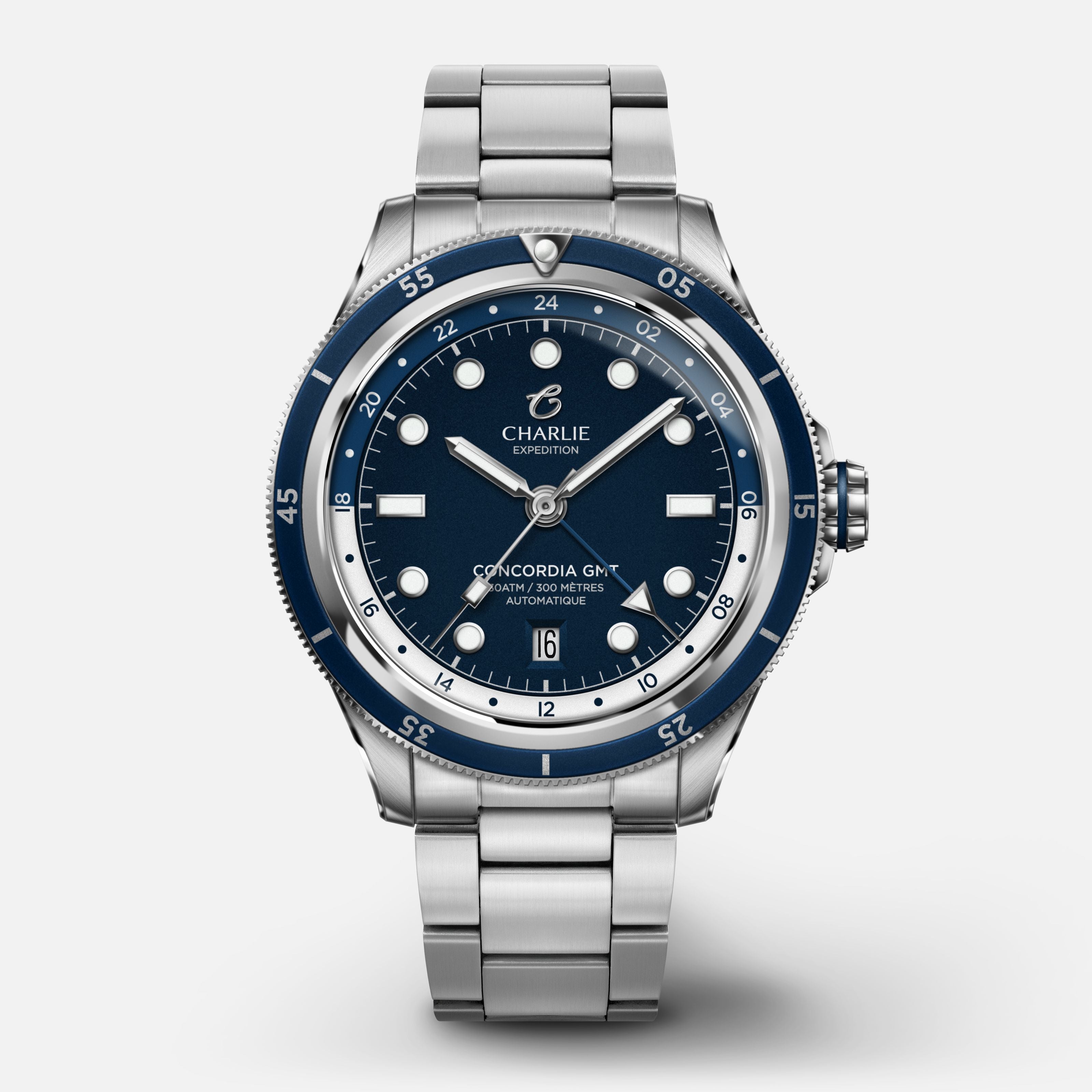
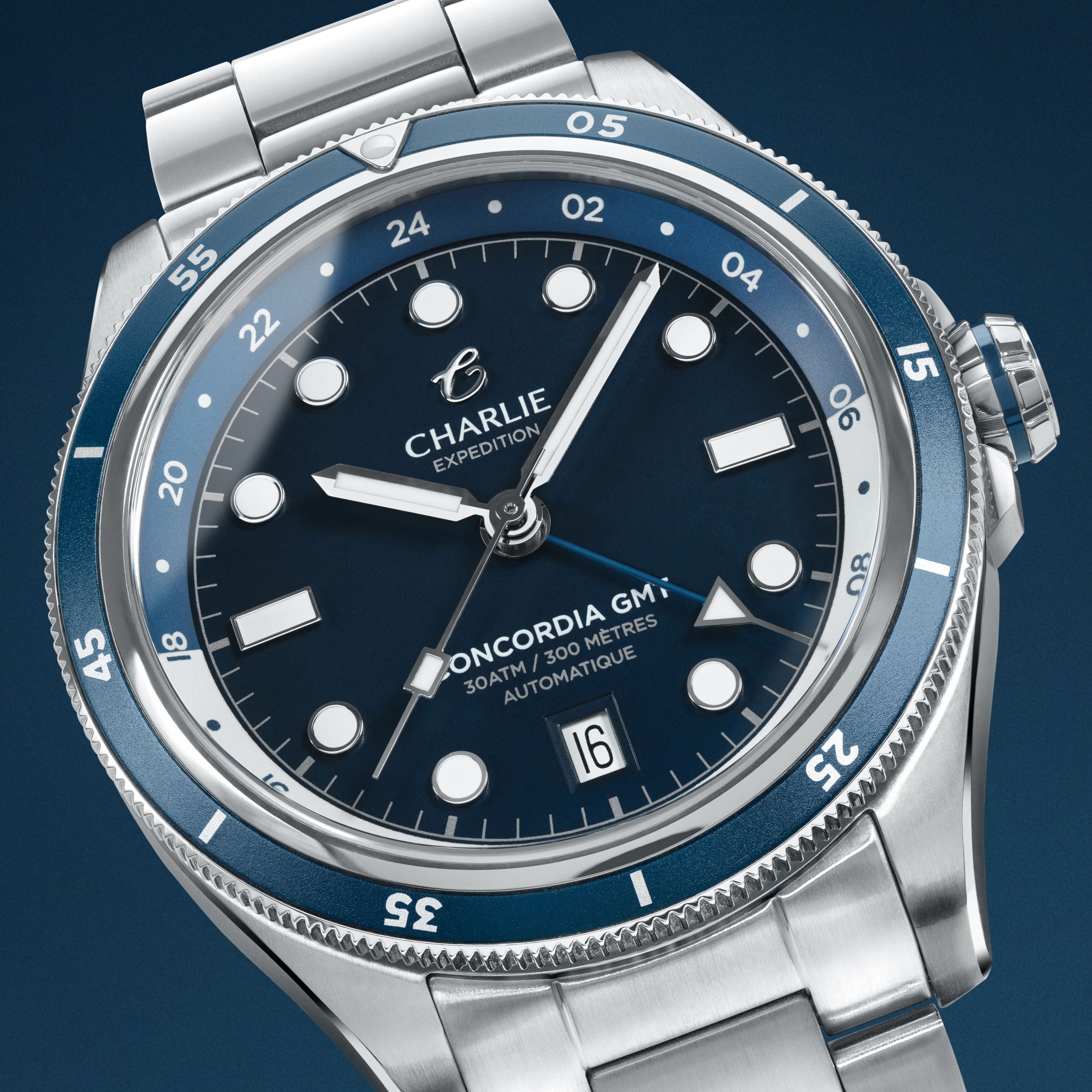
In everyday language, the acronym GMT stands for mean solar time at the Greenwich meridian. This mean solar time served as the world's time reference for a long time before being gradually replaced by UTC, Coordinated Universal Time. The acronym GMT is still commonly used today as a synonym for time zone. In watchmaking, the acronym GMT is used to designate... watches which indicate on the dial, thanks to an additional hour hand, a second time zone, that is to say the exact time of a city located in another time zone, without it necessarily being that of Greenwich.

The birth of Greenwich Mean Time
Average time From a fishing village with a reference time, Greenwich time was born. However, at that time, no real division of the world into time zones had been proposed. Each nation defined its time in relation to the sun's path across the sky. : When it reached its highest point, it was noon. Many cities then proposed to become the world's prime meridian, notably London with the Greenwich district and Paris, with the Saint-Sulpice district.
Finallyent, August 2, 1880, Following negotiations, Greenwich Mean Time was adopted as the world's legal time. Since then, Greenwich Mean Time has served as the world's time reference for most of the 20th century.th century. While London may have won the battle of the timetable, it seems the City of Lights has nonetheless won the war of watchmaking, given the number of renowned master watchmakers within its walls, including Charlie Paris. !

The Greenwich Meridian put to the test of science
But don't be mistaken ! Recent studies have made some surprising revelations. : THE “prime meridian” (conventionally considered to mark zero longitude) is offset by 102.5 meters to the west from where it should be. Therefore, Greenwich is not located at longitude 0° but at longitude 00° 00′ 05.3°. Today, the correct term for GMT is UTC. UTC is even more precise than GMT! Discover by visiting our watch blog, Where does UTC time come from and how is it calculated?


Read more
From the 13th century to today, from the beginnings of watchmaking to the rise of luxury timepieces, the history of French watchmaking in step with political, technical and social revolutions.

Today, Team Charlie Paris gives you their advice on choosing a watch for men and women. small wrists.