




Automatic, Quartz, Mecaquartz, Kinetic, Solar: which watch suits you best ?
In watchmaking, there are many types of watches. You'll find a variety of models distinguished by their design, size, color, and even their mechanism. It's important to pay attention to the heart that powers your watch to better understand how it works. Furthermore, knowing the different models will help you with your next watch purchase. That's why Team Charlie is presenting the various watch mechanisms you should know today.
The mechanical watch with manual winding
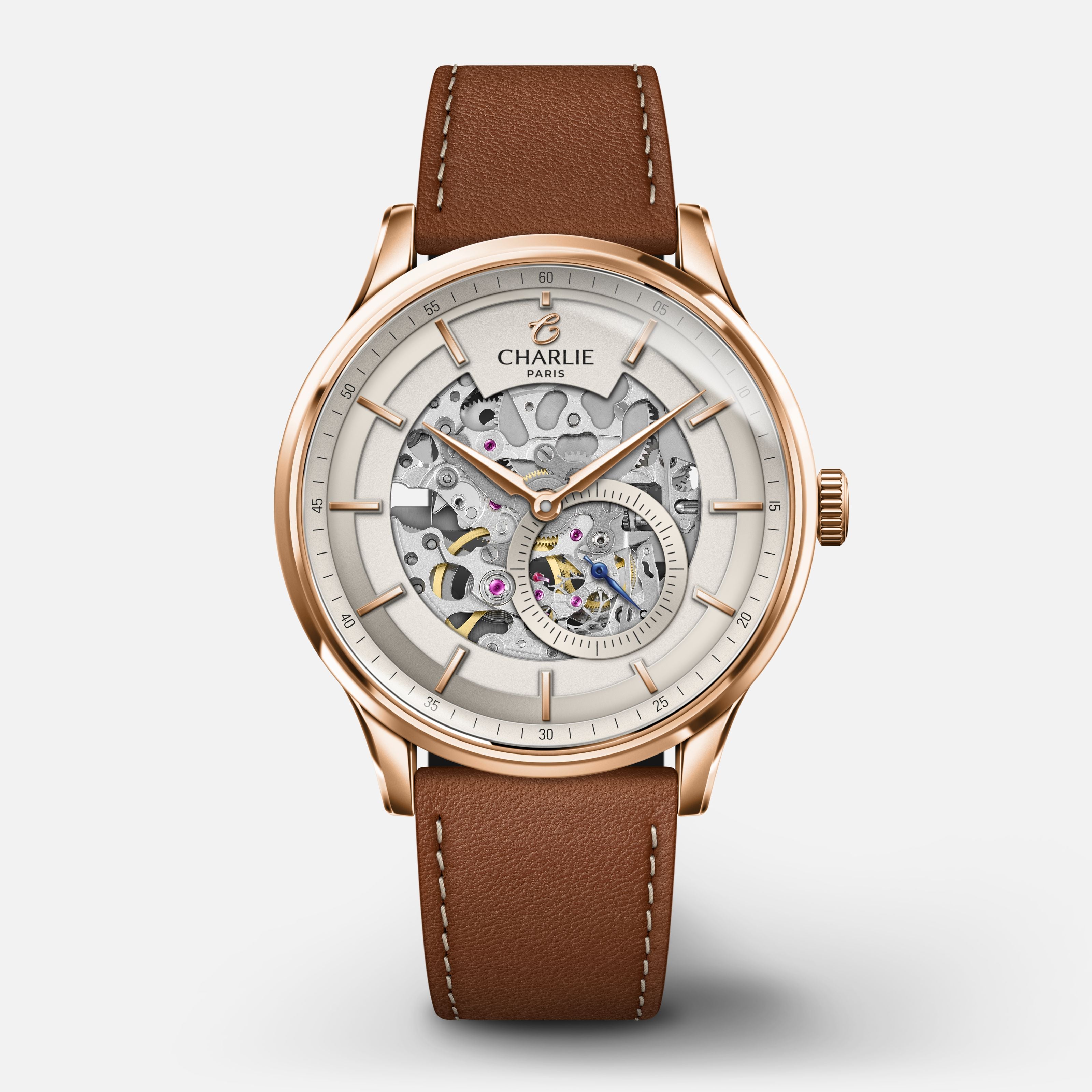
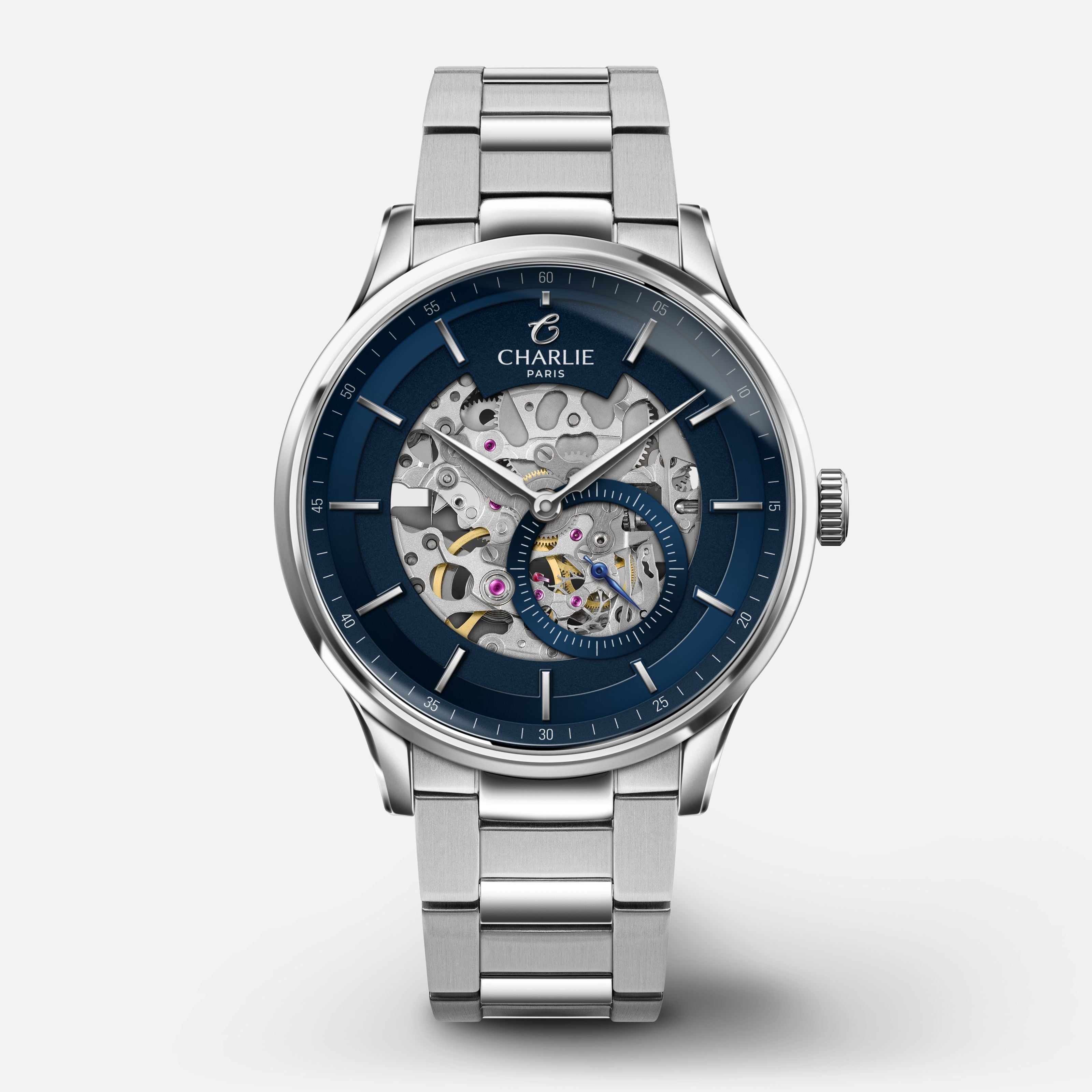
Mechanical watches with manual winding are the oldest type of watch mechanism. This type of watch has a mechanism that needs to be powered by winding the watch. The winding mechanism tensions a mainspring which, when unwound, drives the movement of the hands. Also called manual movements, this mechanism requires daily winding using the crown to ensure optimal performance. The watch is fully wound when you can no longer turn the crown. The manual movement is the oldest watch movement and therefore the most authentic. It is prized by fine watch enthusiasts for its history and craftsmanship. However, the need for frequent winding of manual watches may discourage those seeking practicality.
The self-winding mechanical watch
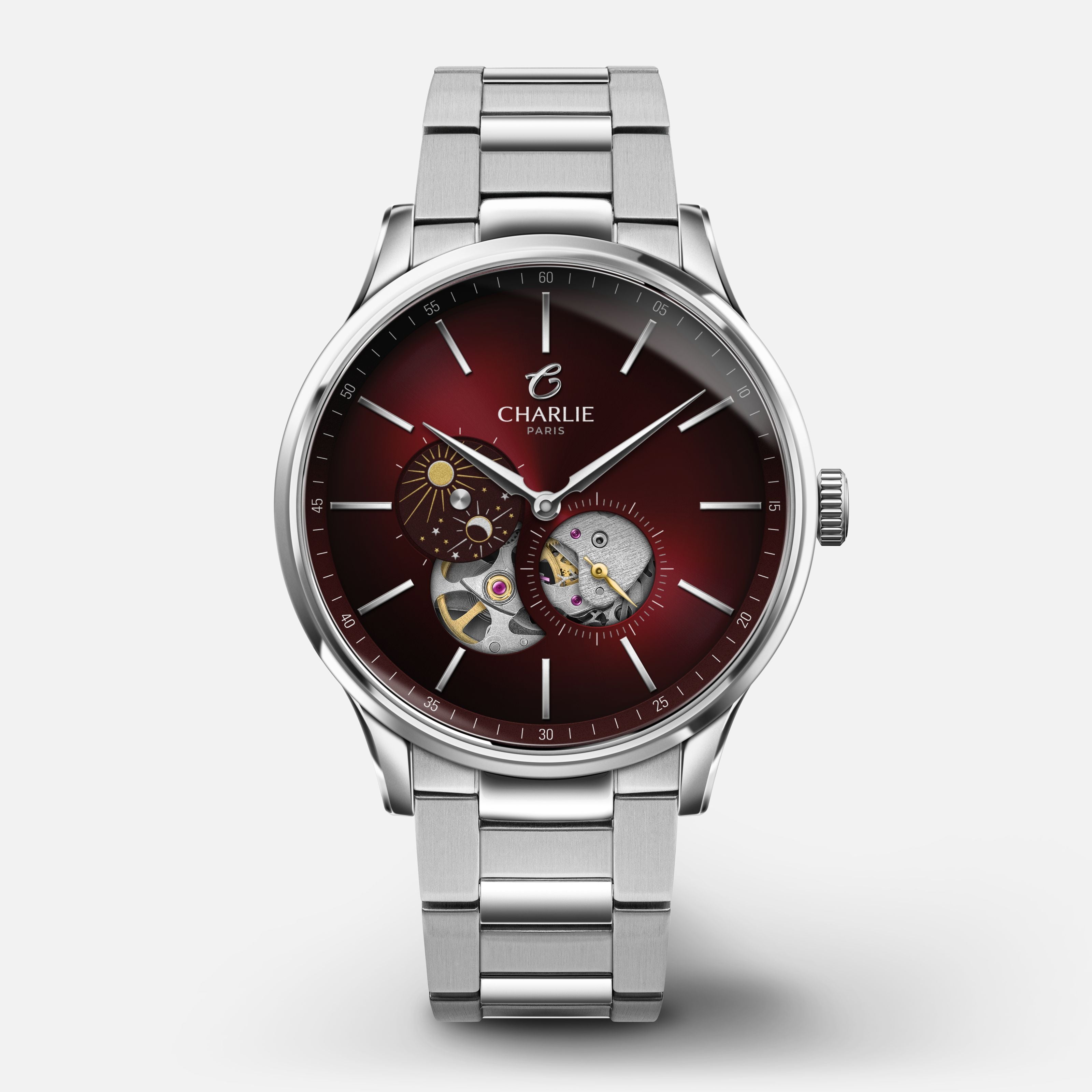
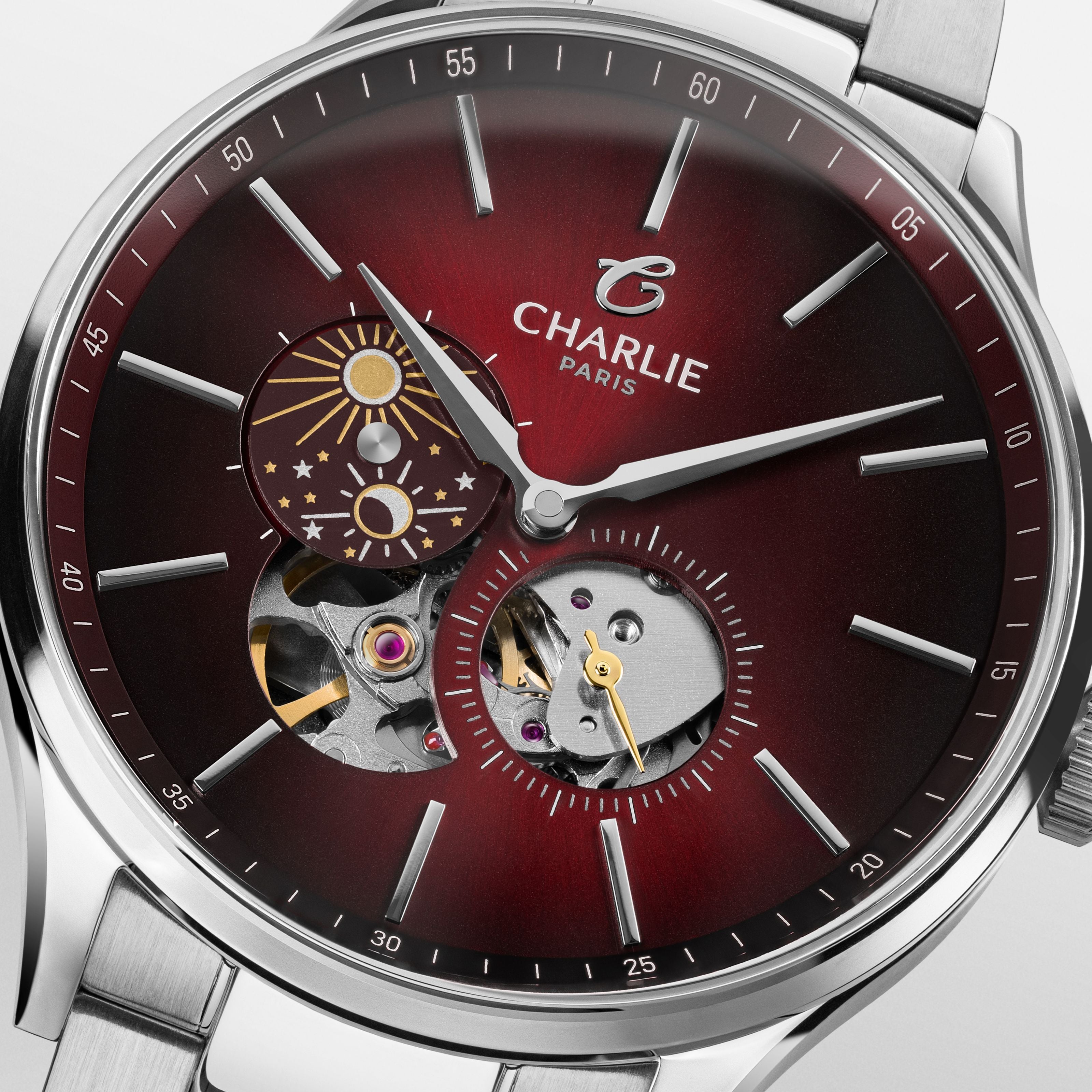
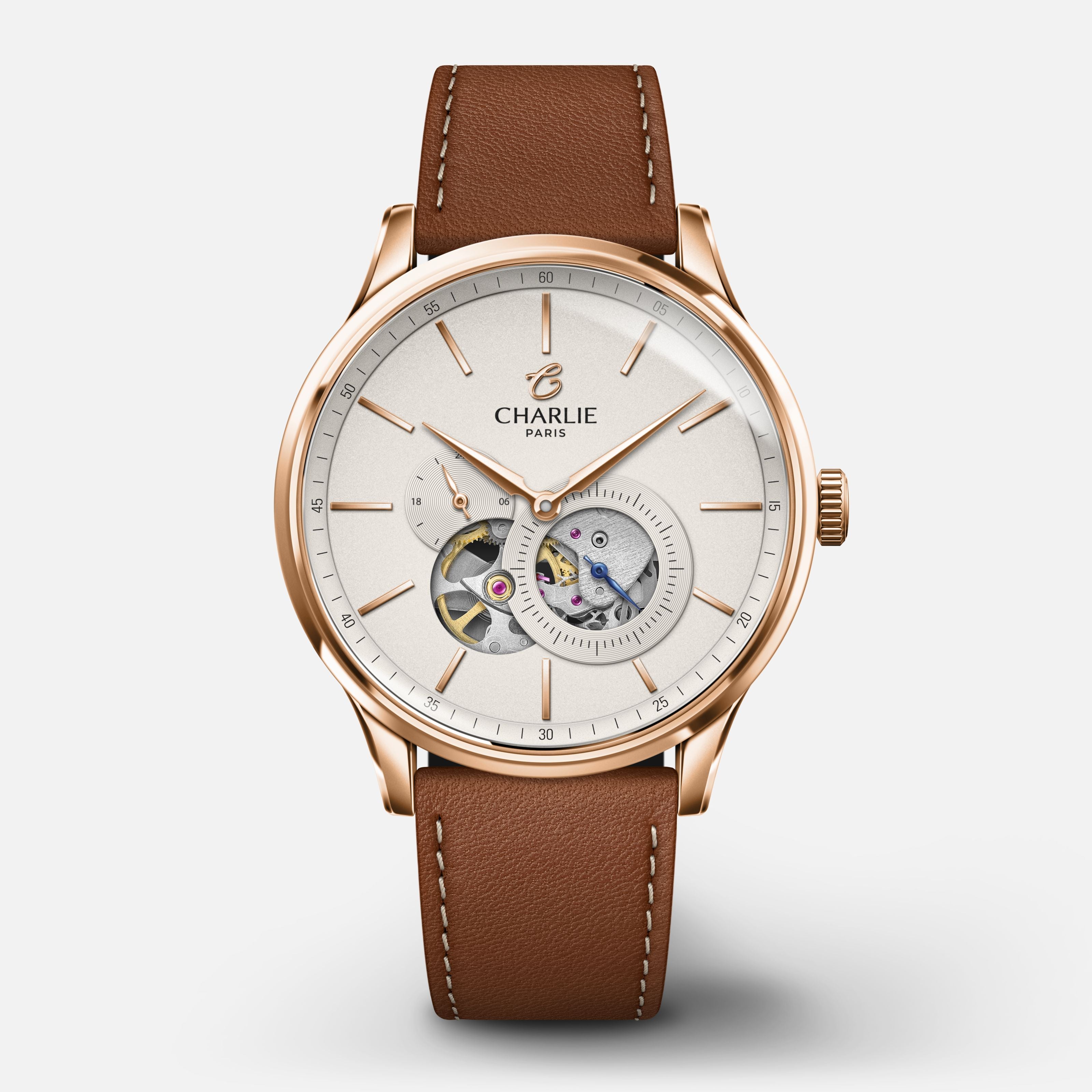
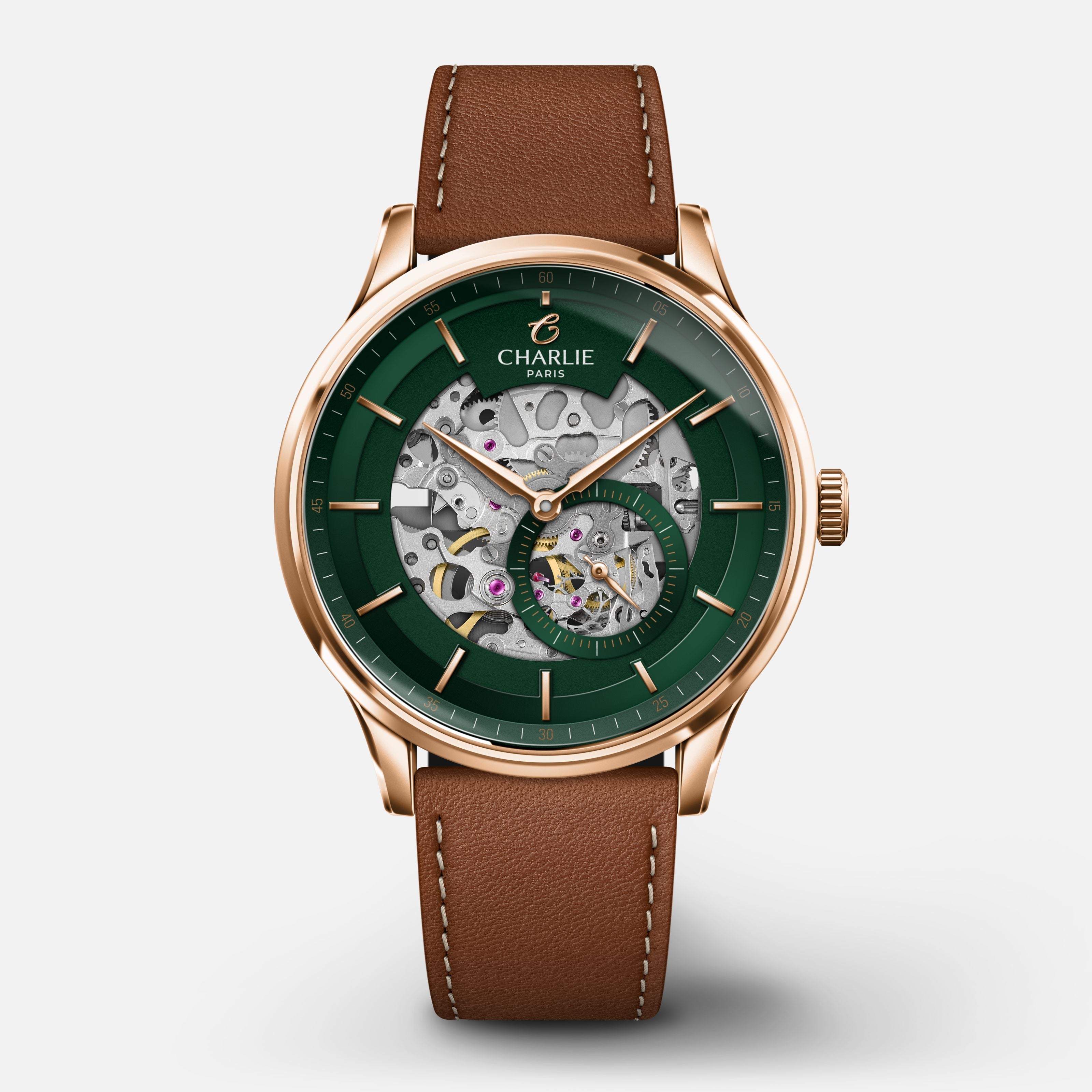
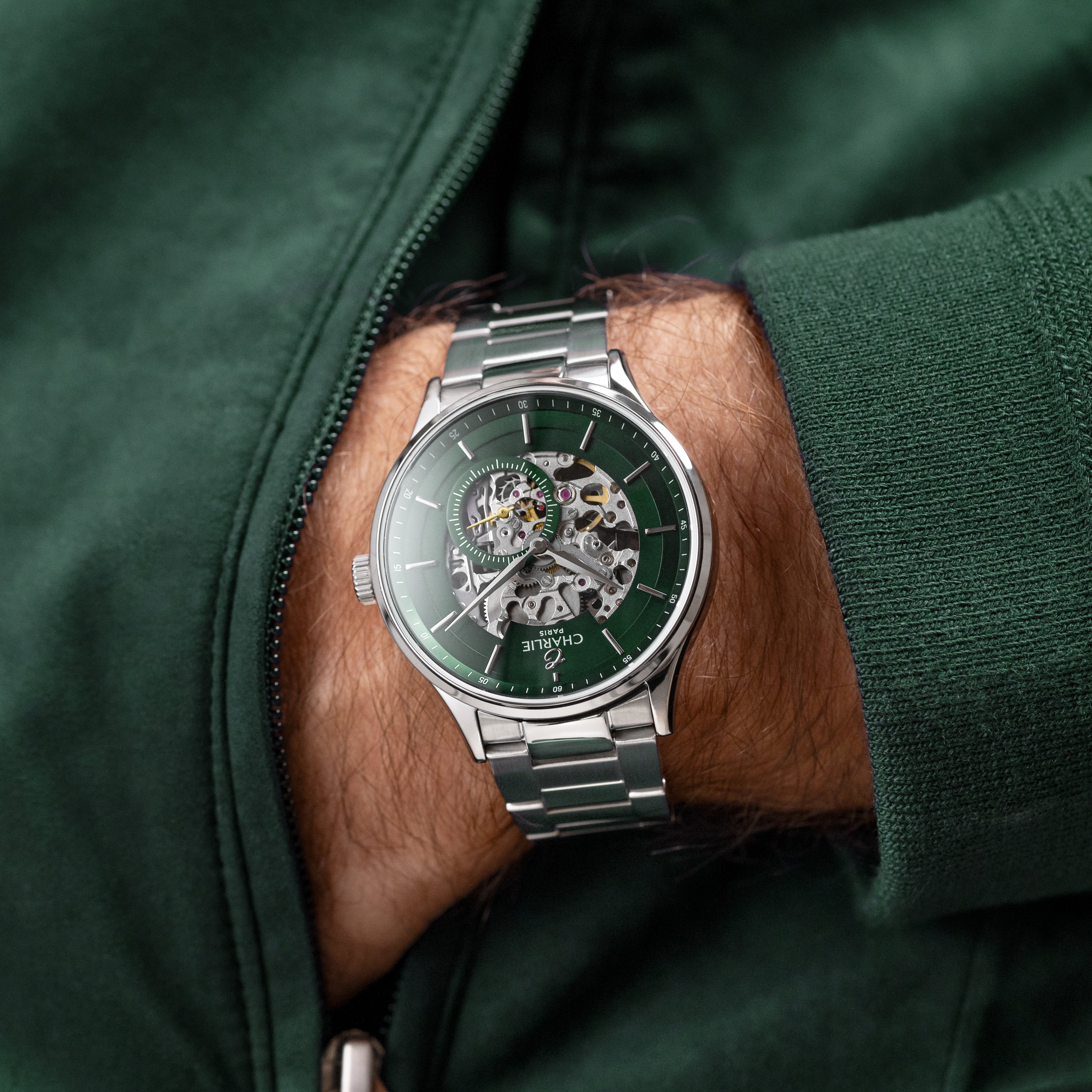
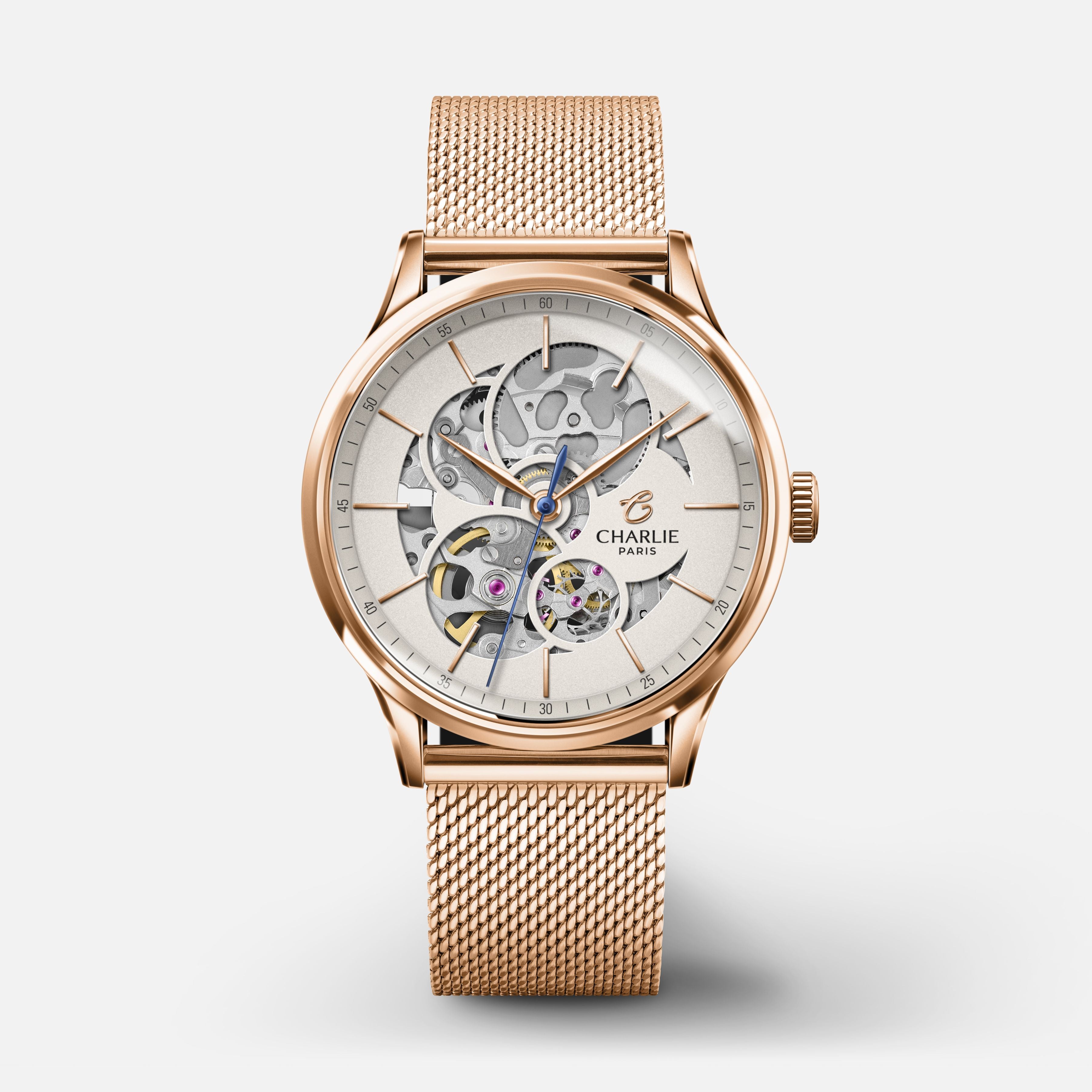
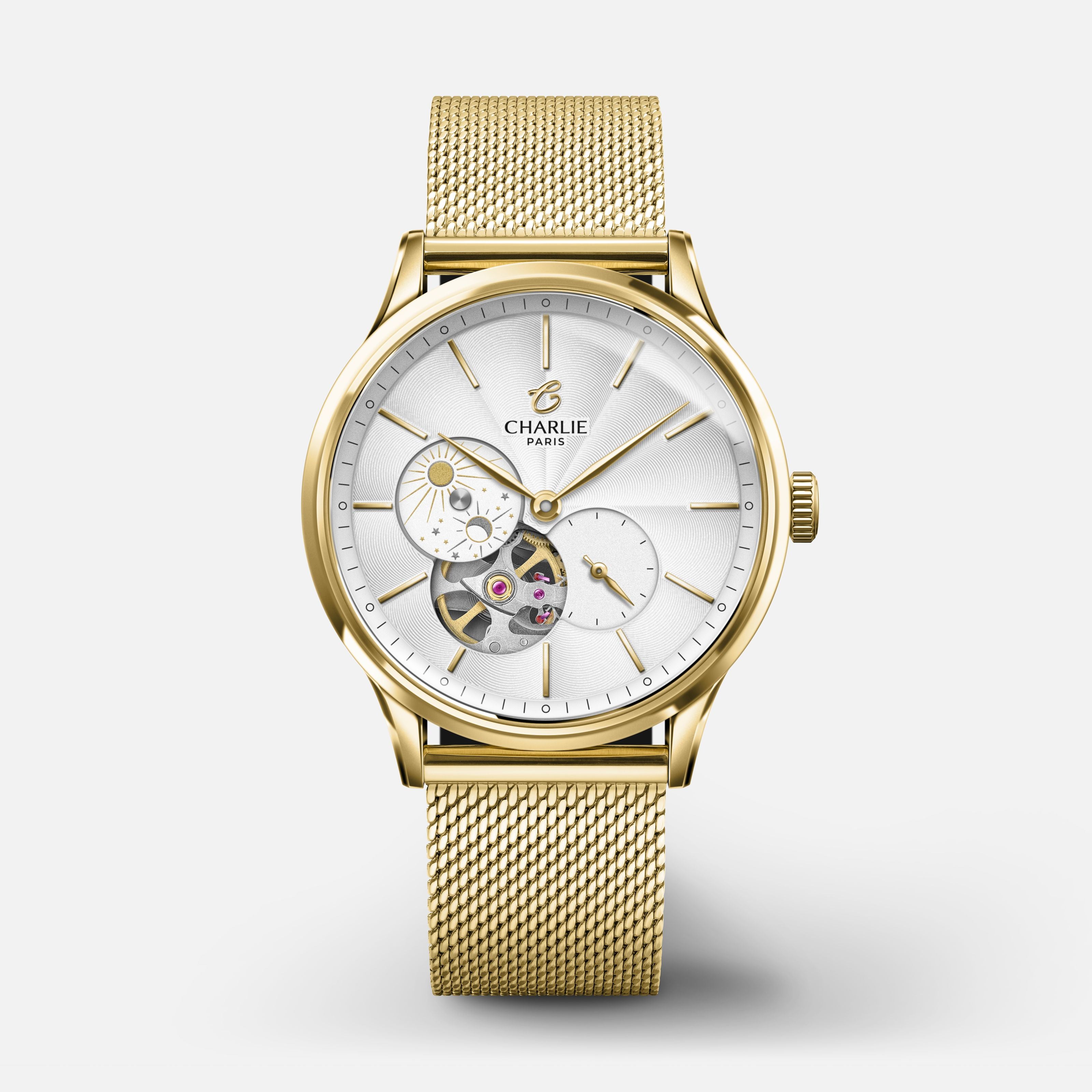
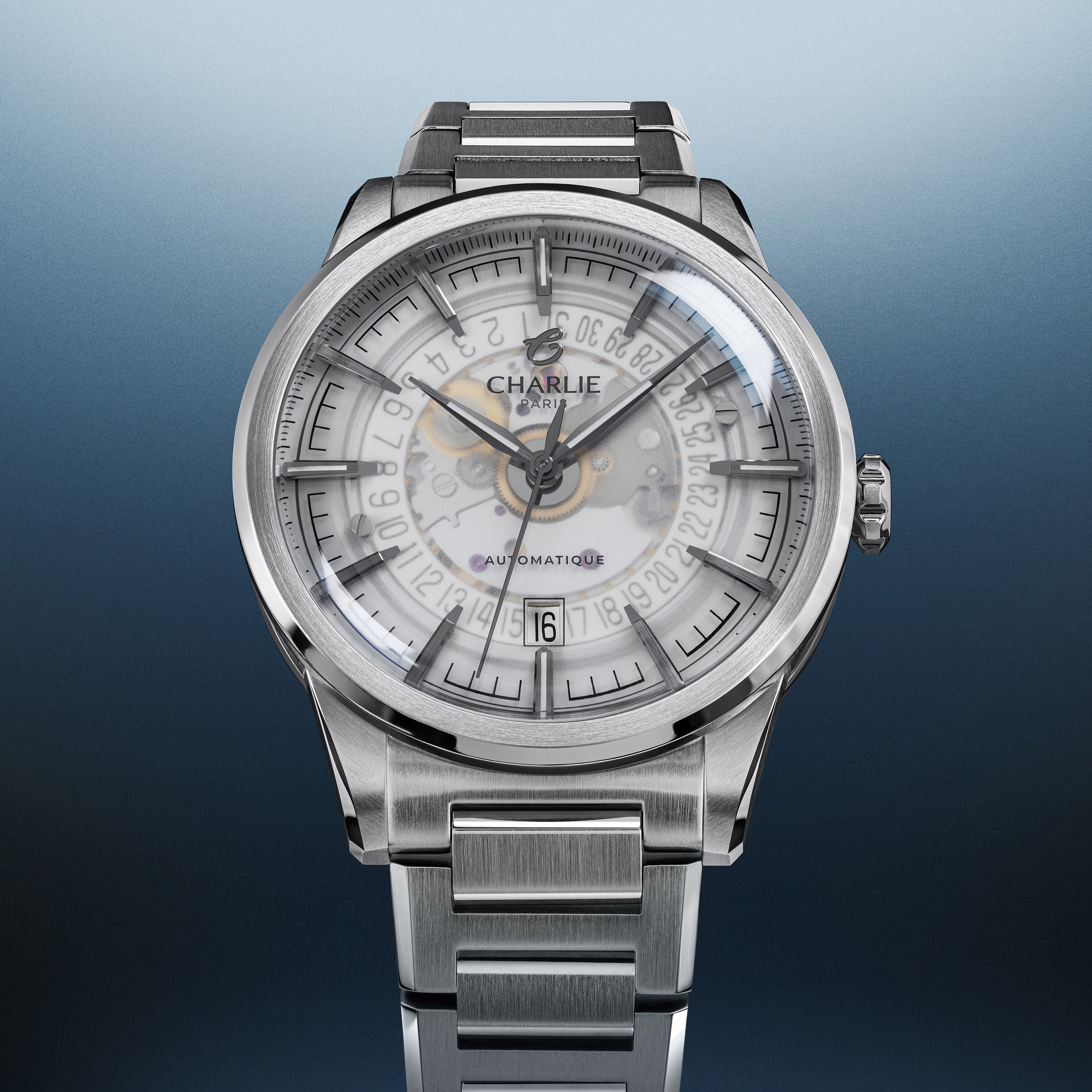
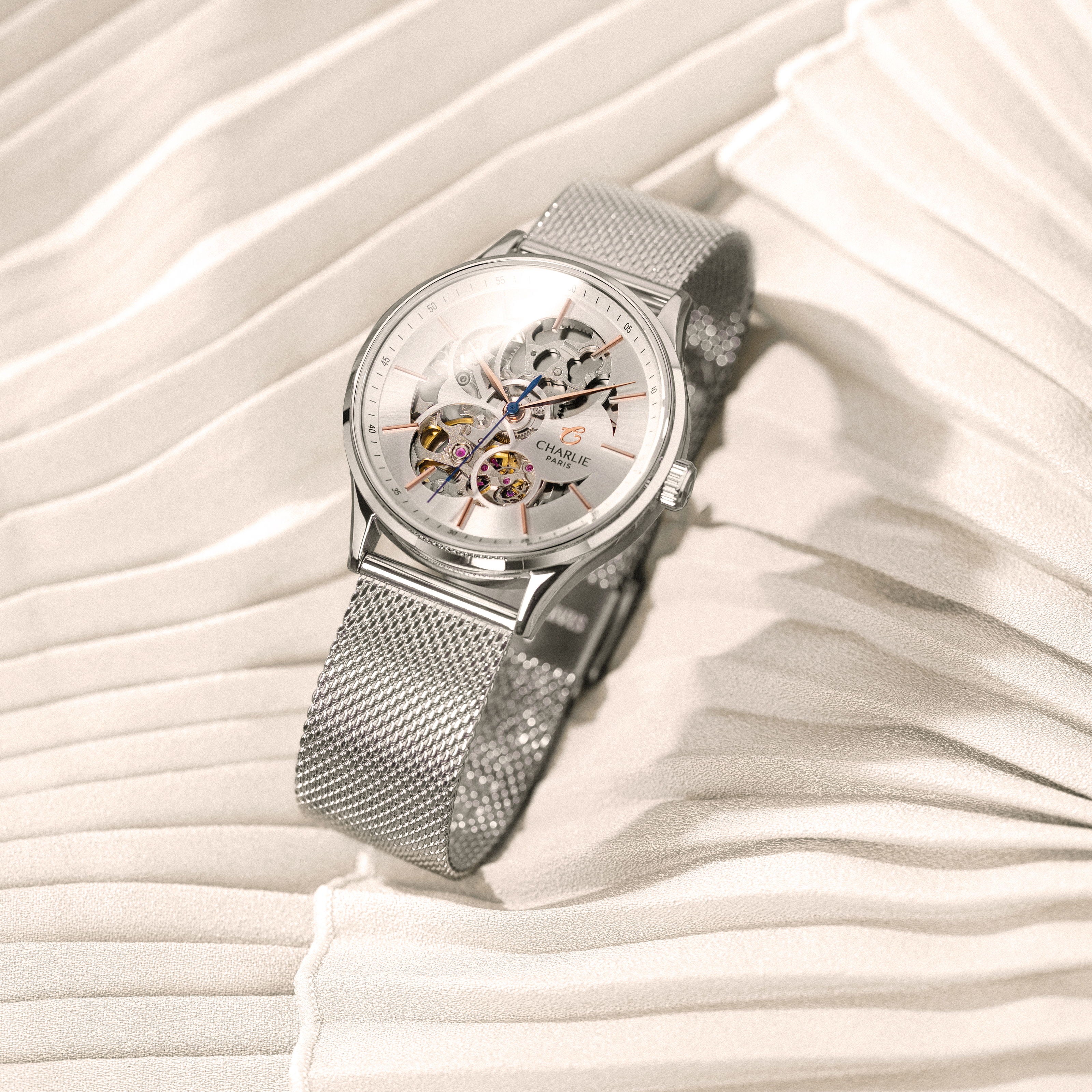
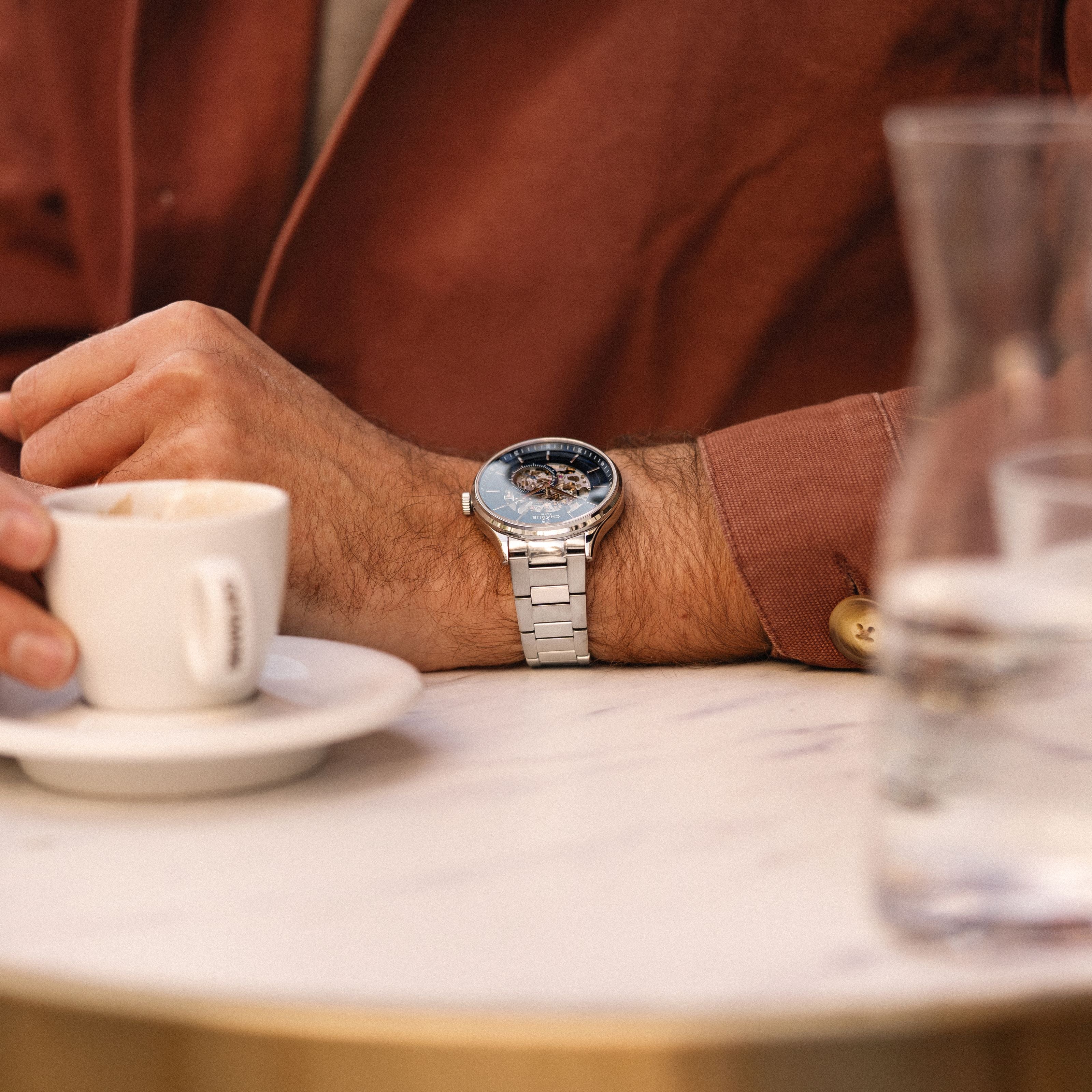
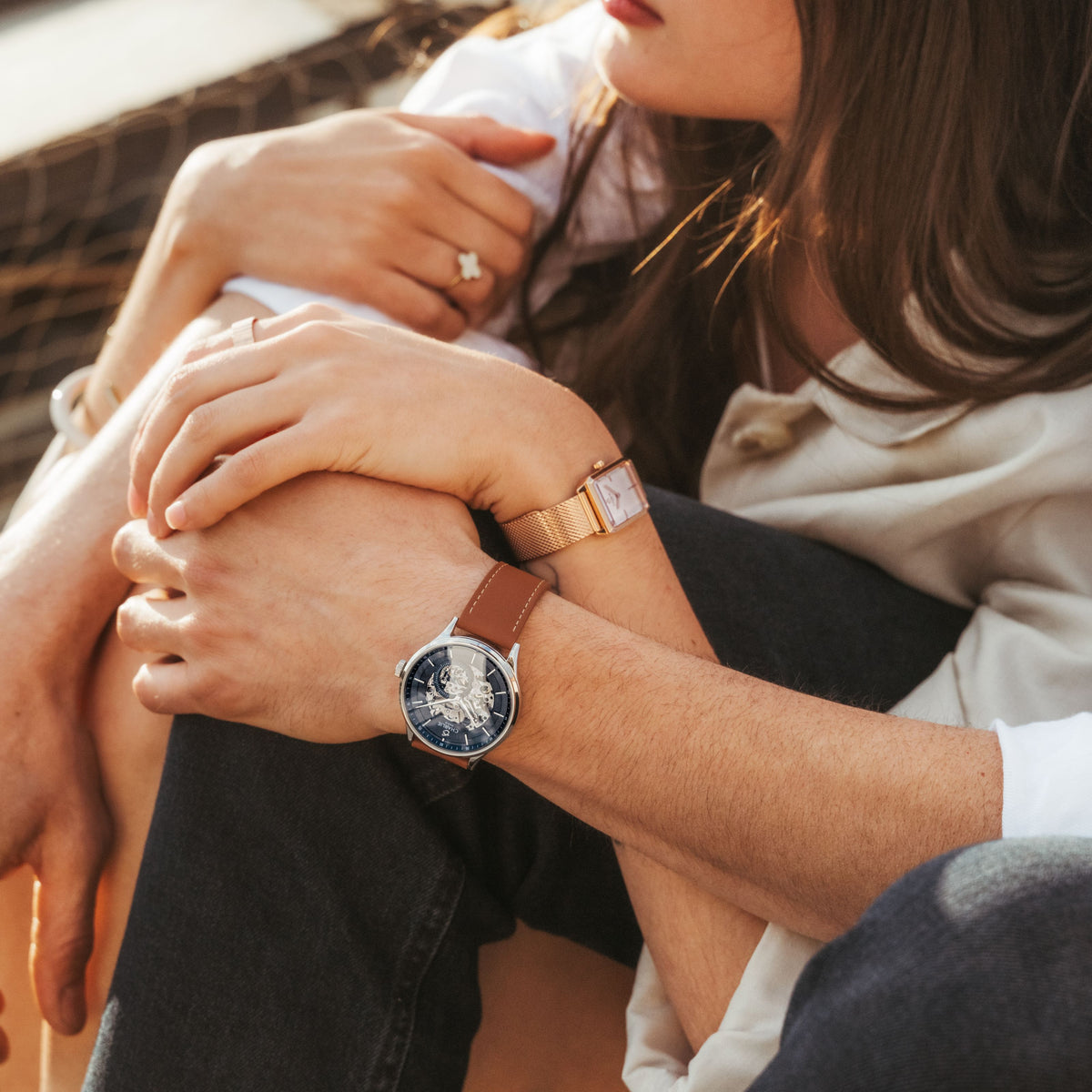
Watches with automatic mechanical movements, called automatic watches Like most of us, automatic watches consist of a complex mechanism, much like manual movements. An automatic watch is powered by the movement of the wearer's wrist. The wrist's movements drive a set of gears that activate the watch's mechanism. Thanks to the integrated rotor, which constantly winds the mainspring, automatic watches operate continuously. Unlike manual movements, self-winding mechanical movements do not require daily adjustment. As long as the watch is worn, it will wind itself. Note that, like a manual-winding watch, it has a power reserve of approximately 40 hours. This means that after this time, the watch will stop, and you will need to use the crown to wind it again.
L'
With its
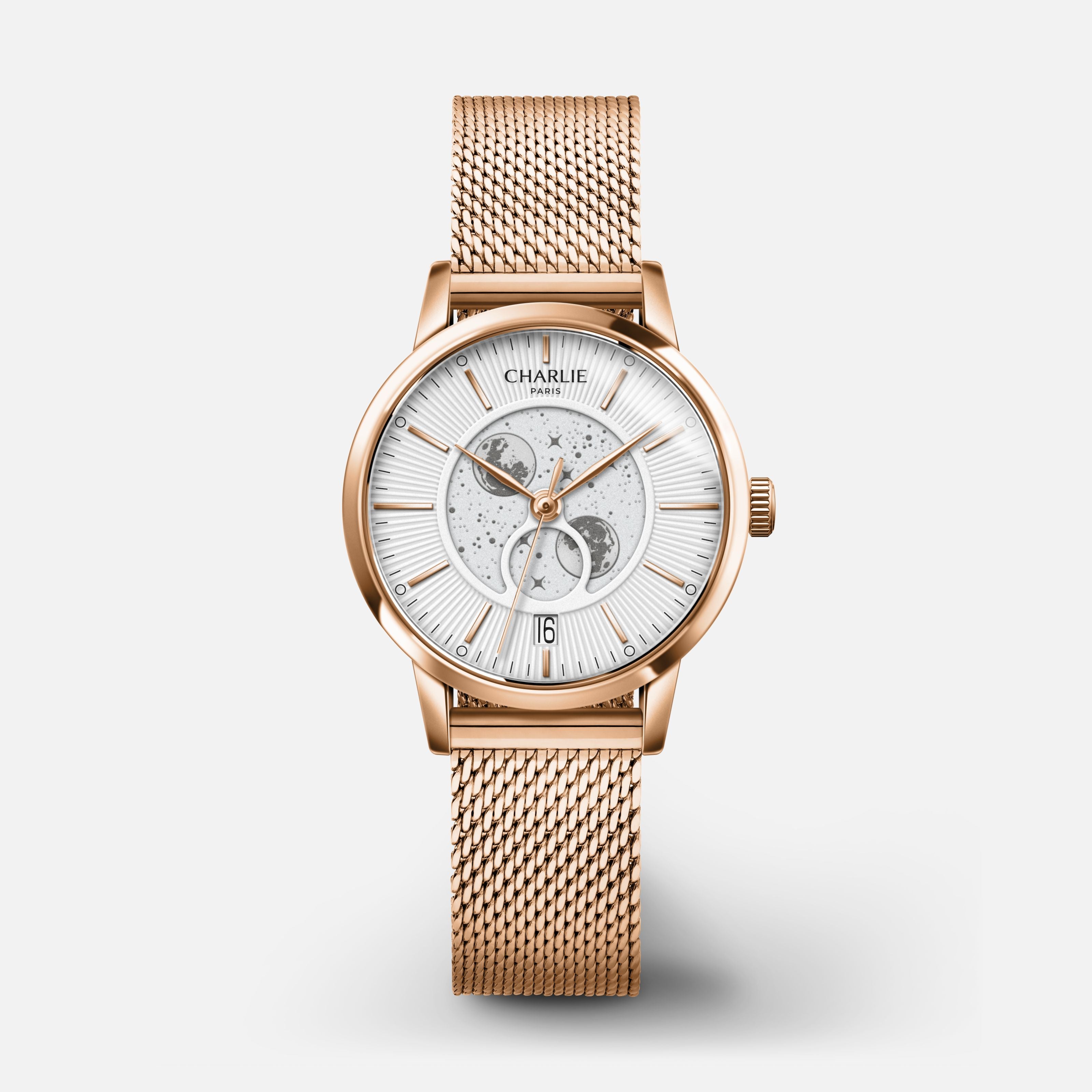
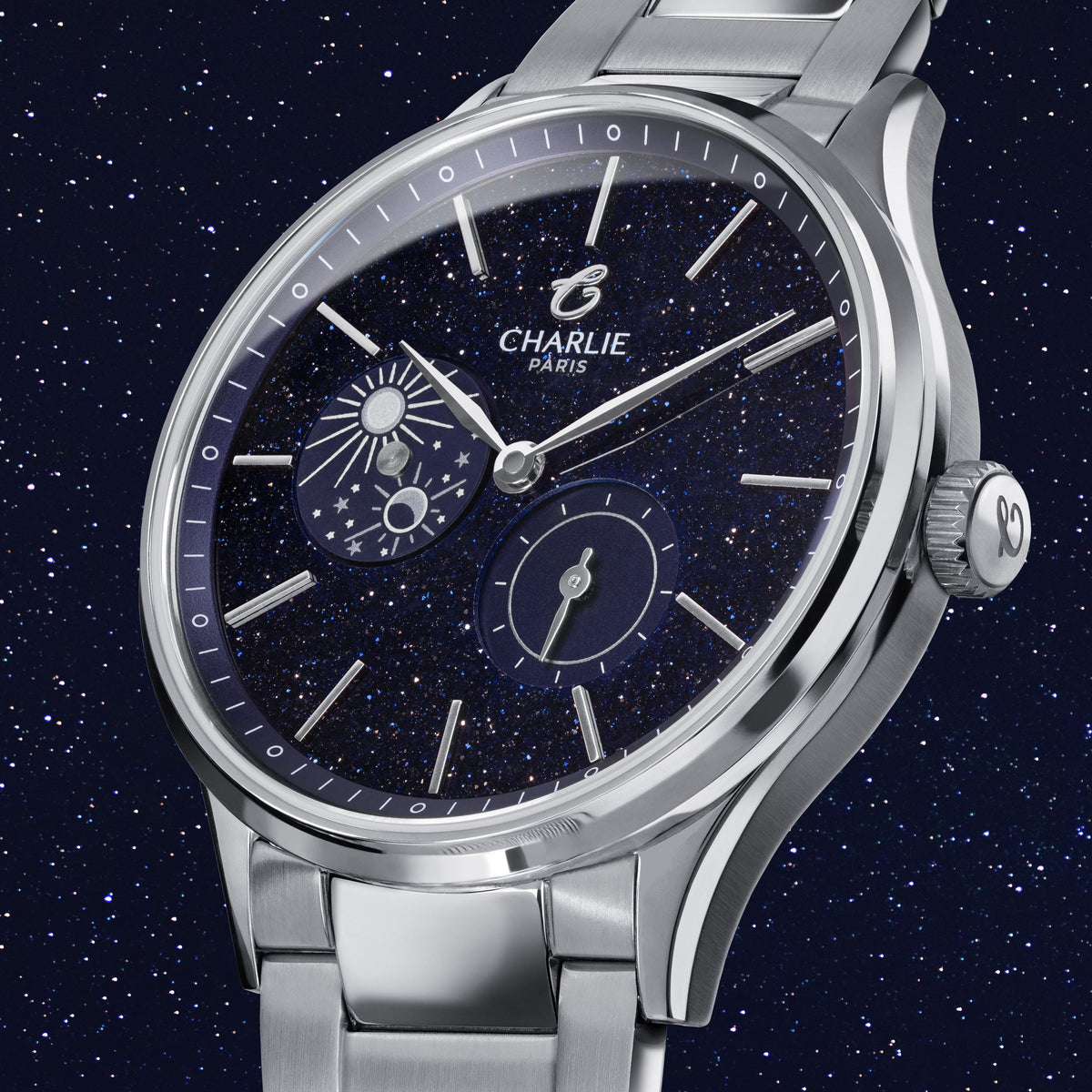
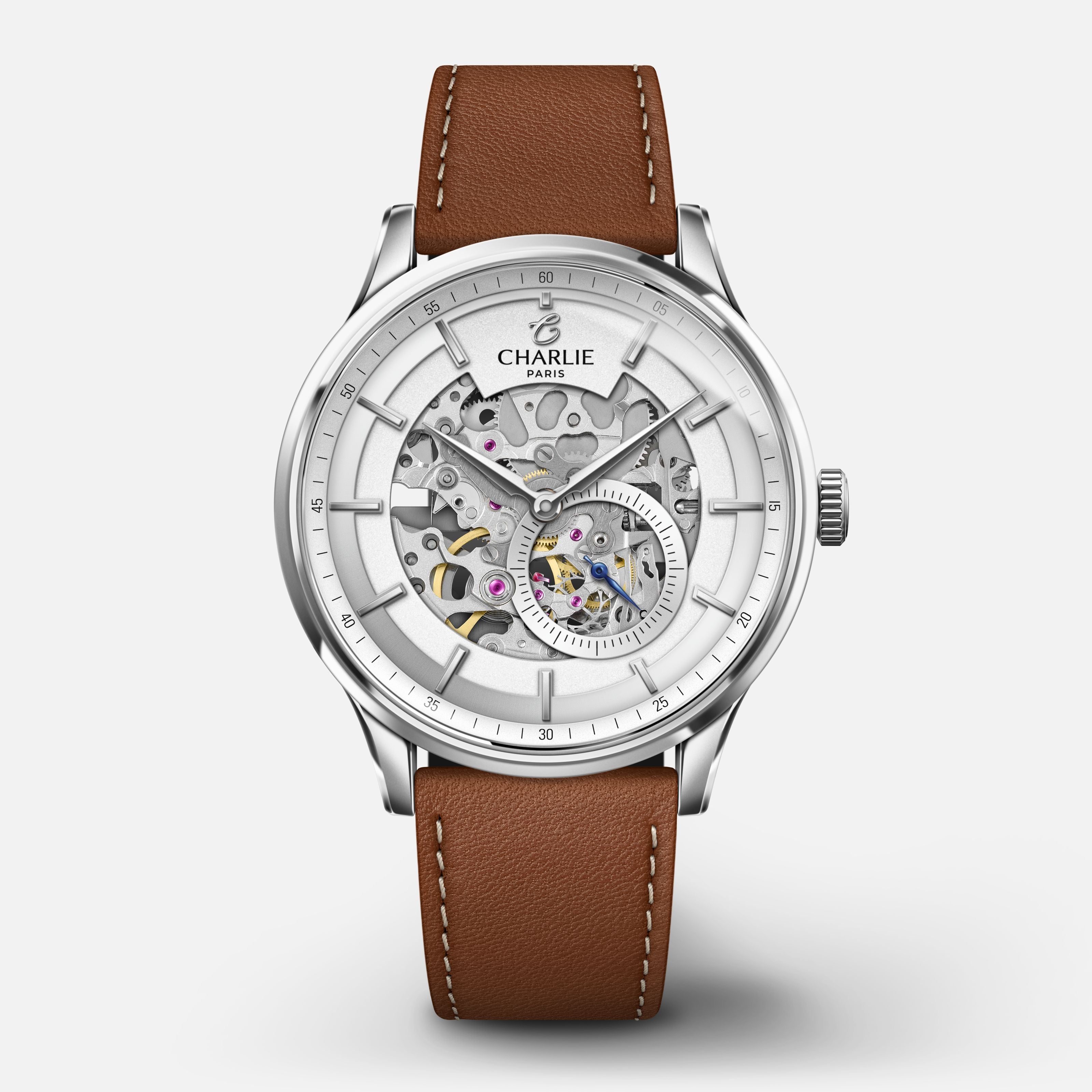
Designed and assembled in Paris, this watch embodies the elegance and precision that characterize Charlie Paris creations.

The quartz watch with electronic movement
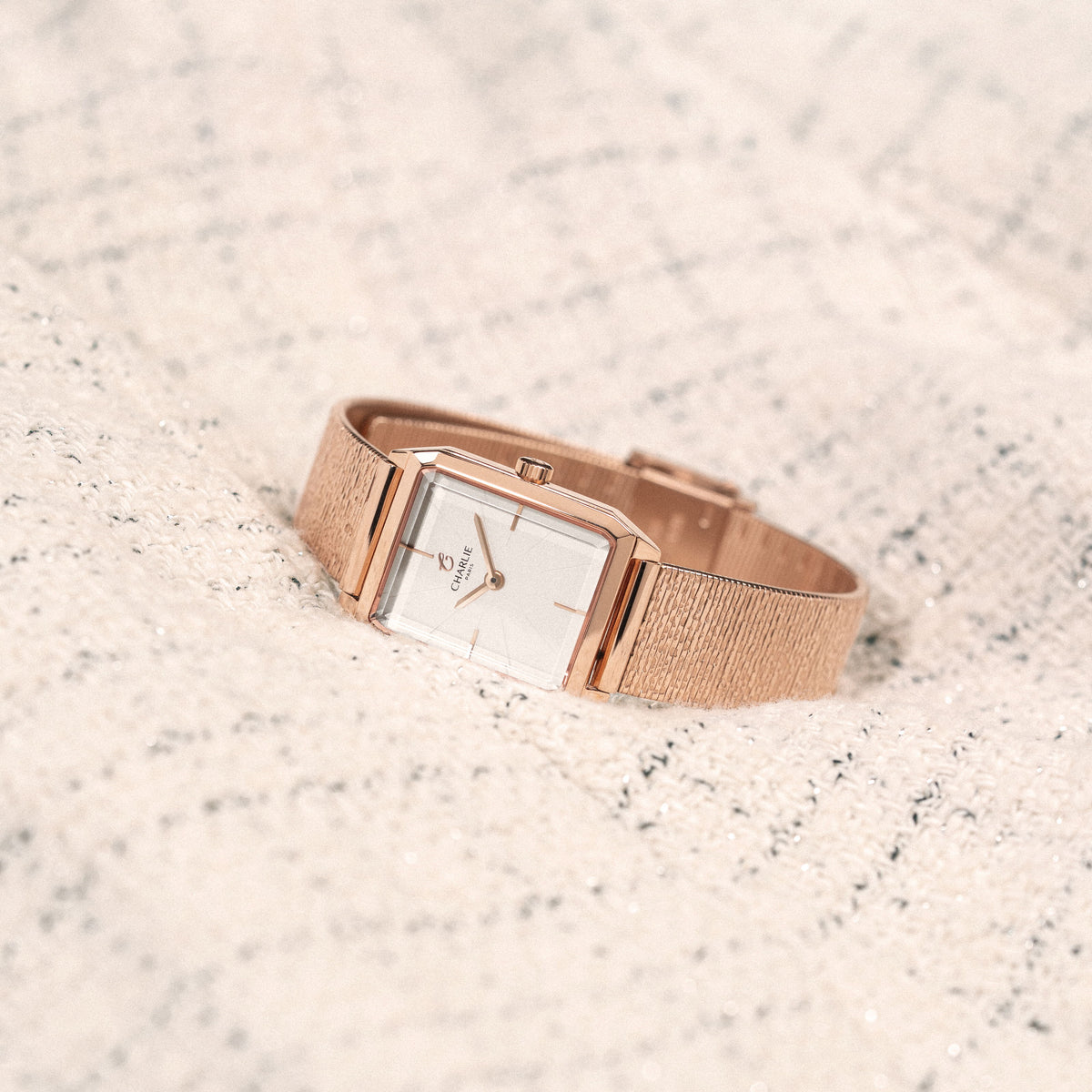
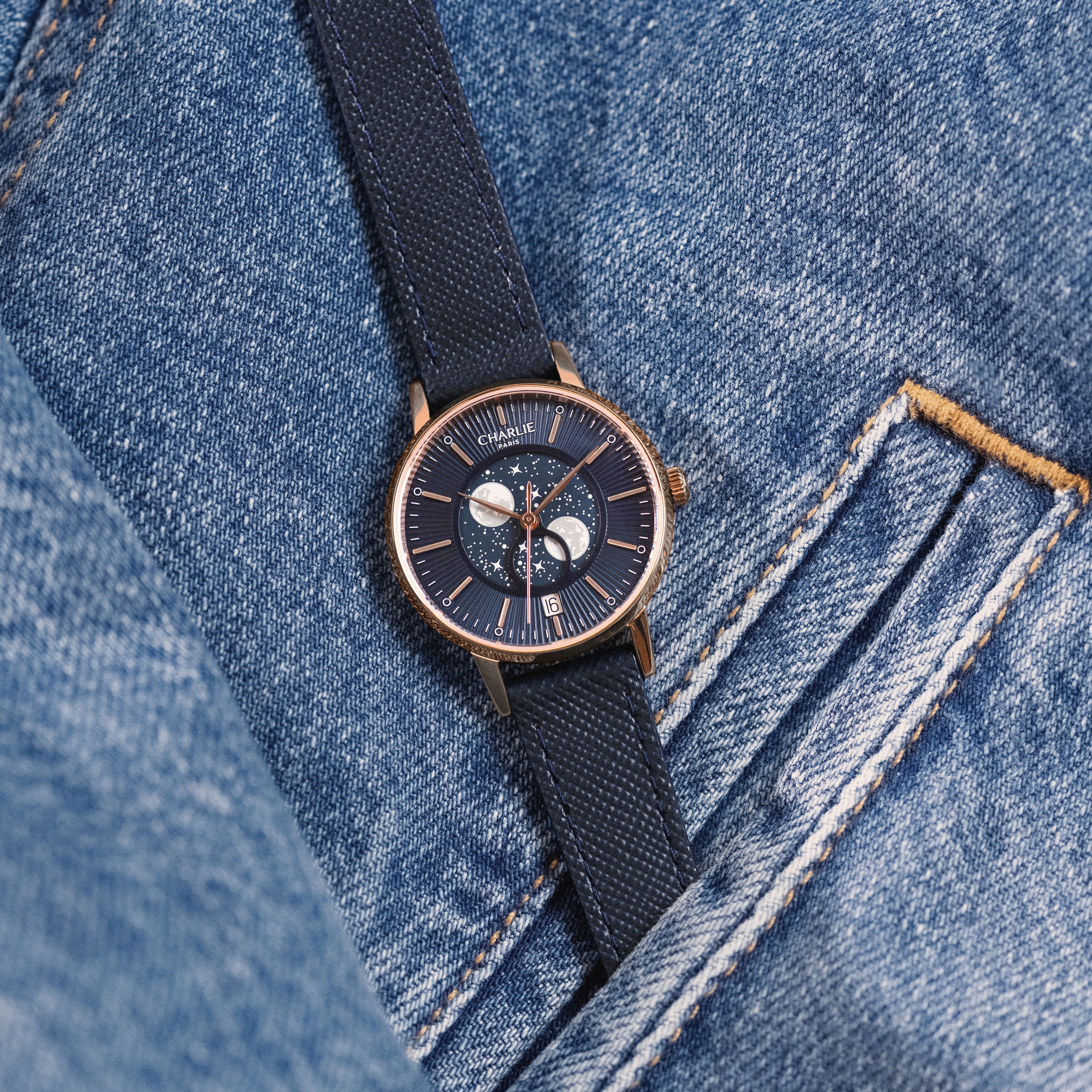
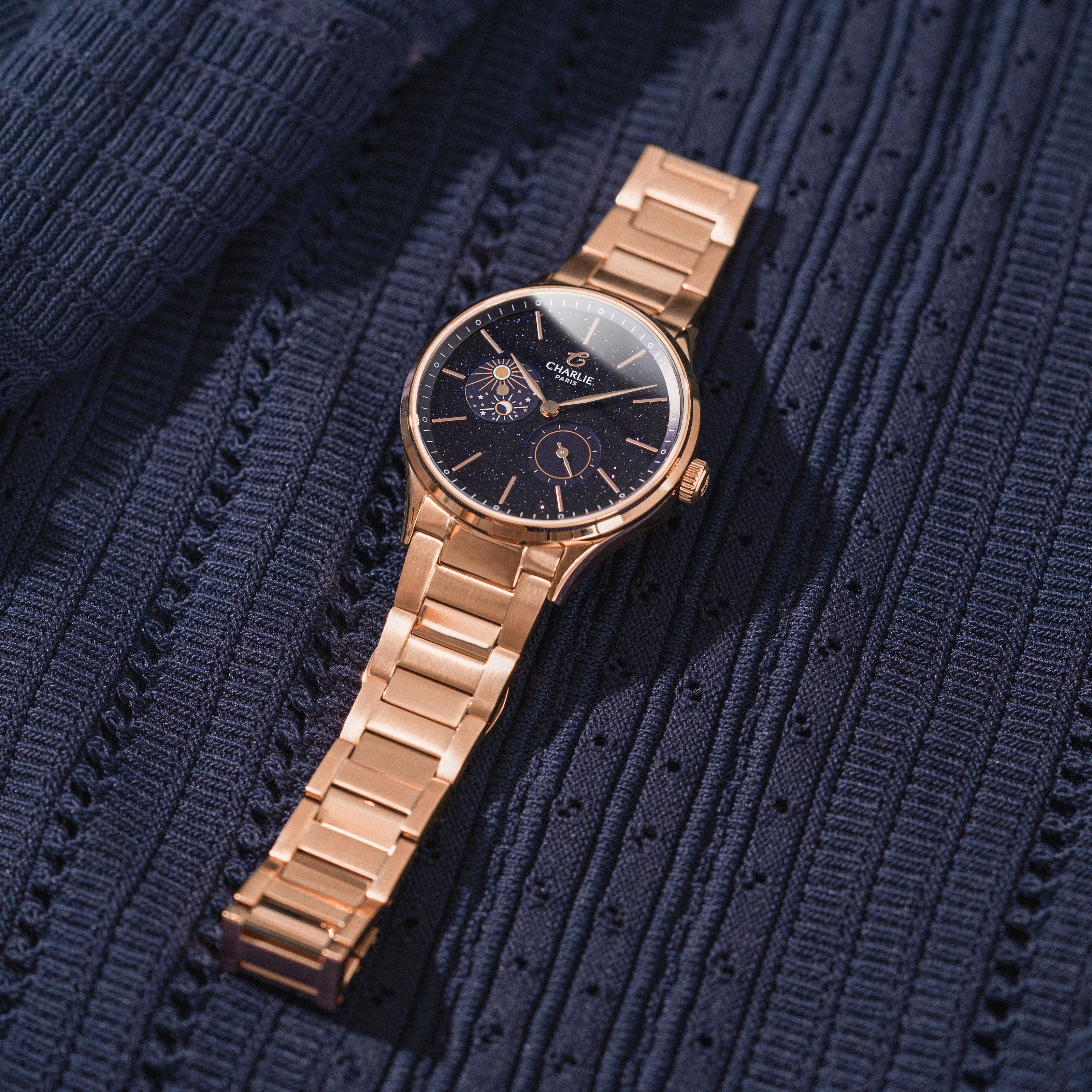
Electronic watches are relatively recent compared to mechanical watches, having appeared in 1967. Electronic watches, called quartz watches, Quartz watches are the most widespread on the watch market. The main reason for this is that this type of movement is precise, reliable, and offered at low cost. Quartz watches are less prestigious than mechanical watches because they don't reflect the same level of watchmaking expertise. Unlike a mechanical watch, a quartz watch has very few parts and its operation is simple.An electronic watch is powered by a battery, so it's a far cry from the craftsmanship, horological prowess, and authenticity of automatic watches. This type of watch doesn't hold much appeal for watch enthusiasts. The battery sends an electric current, which creates vibrations that drive the movement. More precisely, the battery in a quartz watch supplies electrical energy to a quartz oscillator, causing it to vibrate and thus sending regular electrical pulses that move the hands. A quartz watch is highly accurate, but its lifespan is shorter than a mechanical watch due to the wear and tear of its electronic components. The battery in a quartz watch needs to be changed every two to three years.
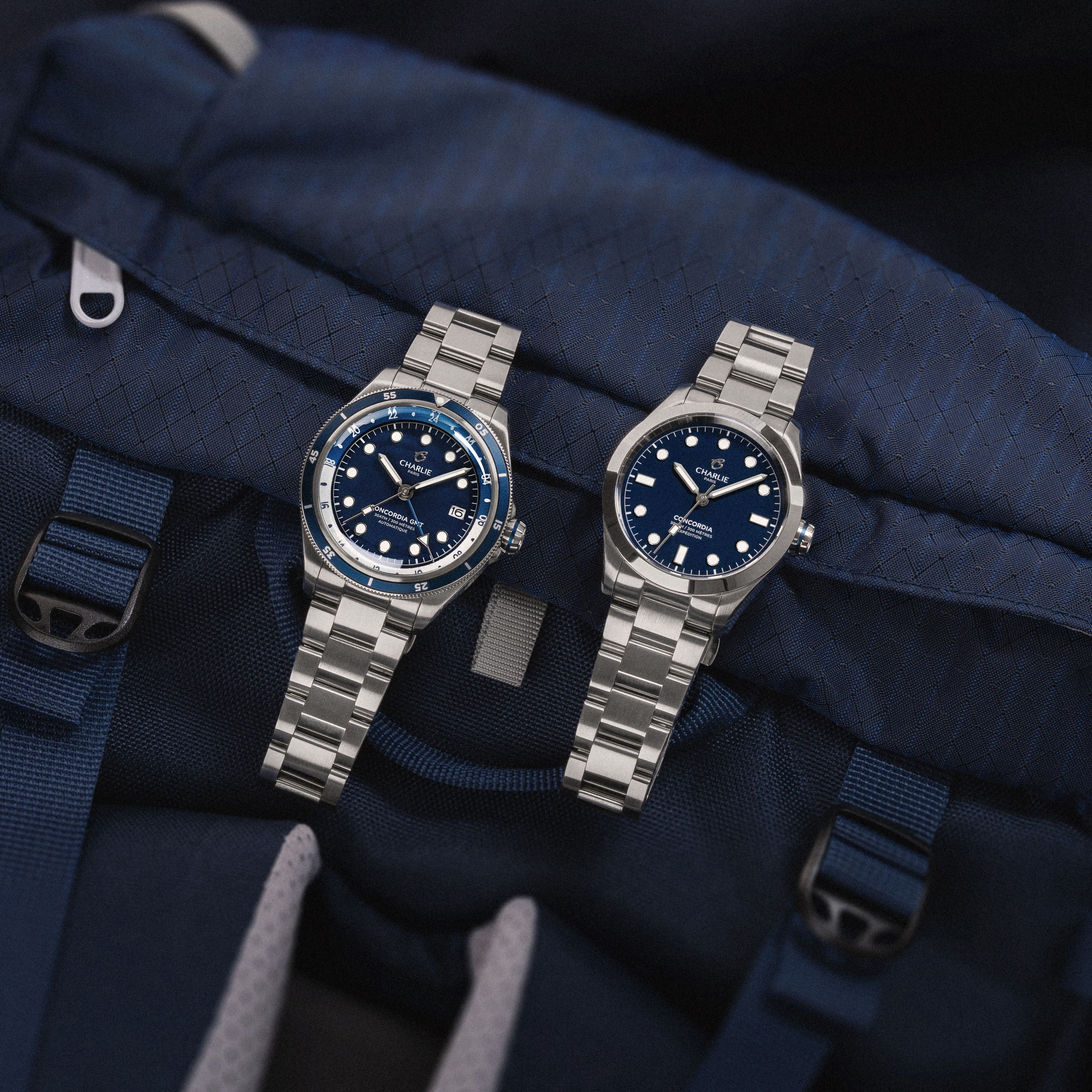
Designed for adventurous spirits, the Long-Distance Hiking Collection (GR) combines robustness and elegance in a watch designed for exploration. With its
Available in four colours: brown, sand, blue and green.
- GR 24H : Equipped with an automatic sweep-second movement, it offers an original reading of the time on a 24-hour cycle, perfect for lovers of unique timepieces.

The Mecaquartz movement
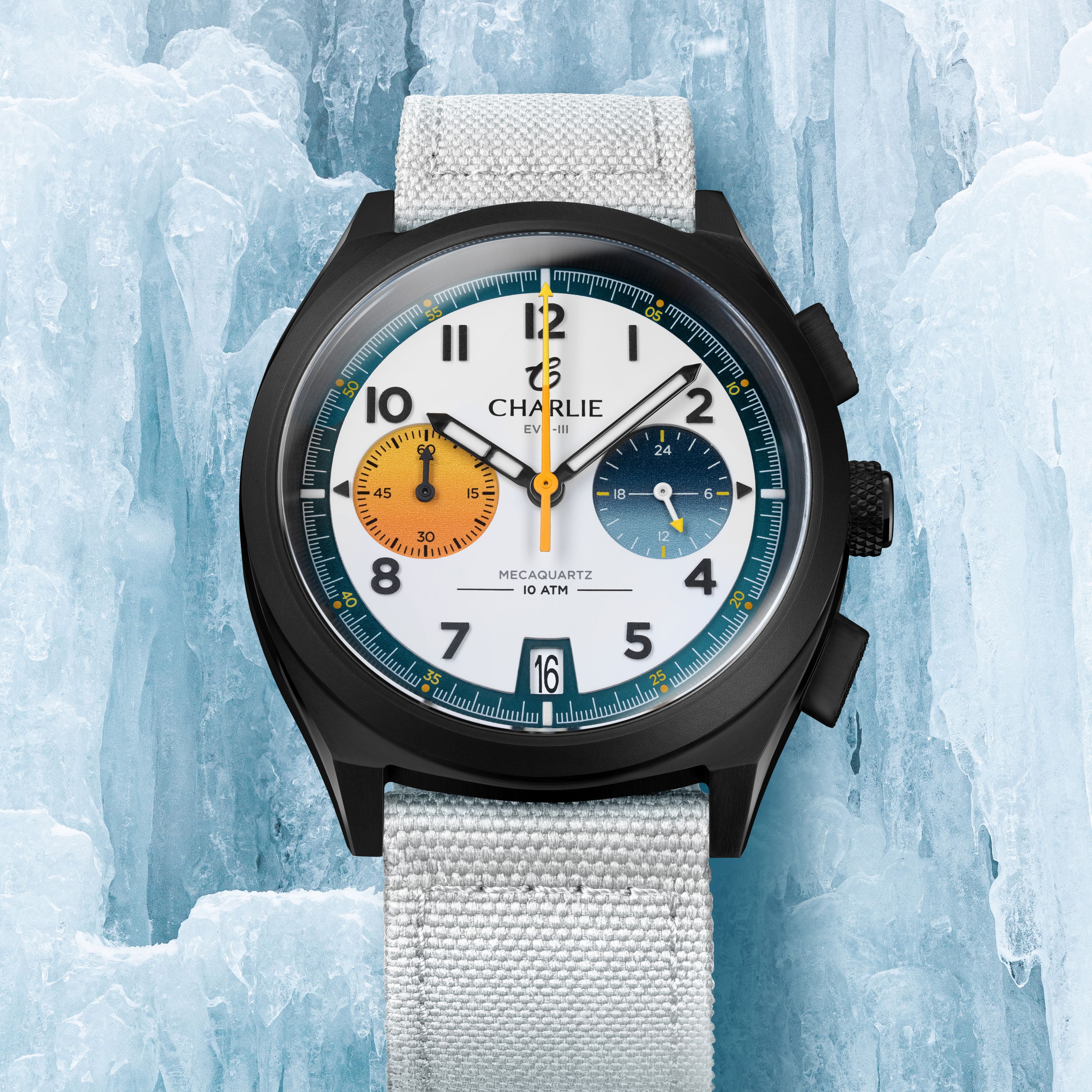
A fascinating hybrid movement: the main seconds hand is powered by a battery (like a quartz watch), but the chronograph module operates mechanically, with the instant reset typical of mechanical watches. It combines the reliability of quartz with the excitement of a mechanical chronograph.
At Charlie Paris, this movement equips the GR mecaquartz models and the GRX EVO III mecaquartz. Two watches designed for everyday adventurers, robust, precise, and with a decidedly sporty look.

Quartz watch with solar movement
Solar-powered movements are actually electronic movements that don't require a battery. Indeed, solar watches are... quartz watches Instead of using a battery, these watches utilize solar panels located on the dial. This type of mechanism is powered by natural or artificial light (natural light allows for faster charging), which is captured by the solar panel on the dial and then converted into electrical energy. This energy is then stored to ensure the watch functions even without exposure to light for several months. Therefore, it's possible to use this type of watch without it being constantly exposed to light. If you wear this type of watch daily, you won't need to recharge it. To fully recharge your solar watch, approximately 5 hours of exposure to natural light is sufficient. This more environmentally friendly practice allows the solar watch to have a longer lifespan without the need for battery changes.
The watch with kinetic quartz movement
Quartz kinetic movement watches, also called autoquartz, were invented by the watchmaker Seiko in 1988. This movement can be defined as a hybrid system between a quartz watch and a mechanical watch. These are quartz watches that have the unique characteristic of operating without a battery. Electronic movements contain an oscillating weight that rotates according to the movements of the wrist. These rotations create an electric current, the energy of which is stored in a battery.Today, this type of movement is rare on the watch market and remains uncommon among other watch brands.
Read more
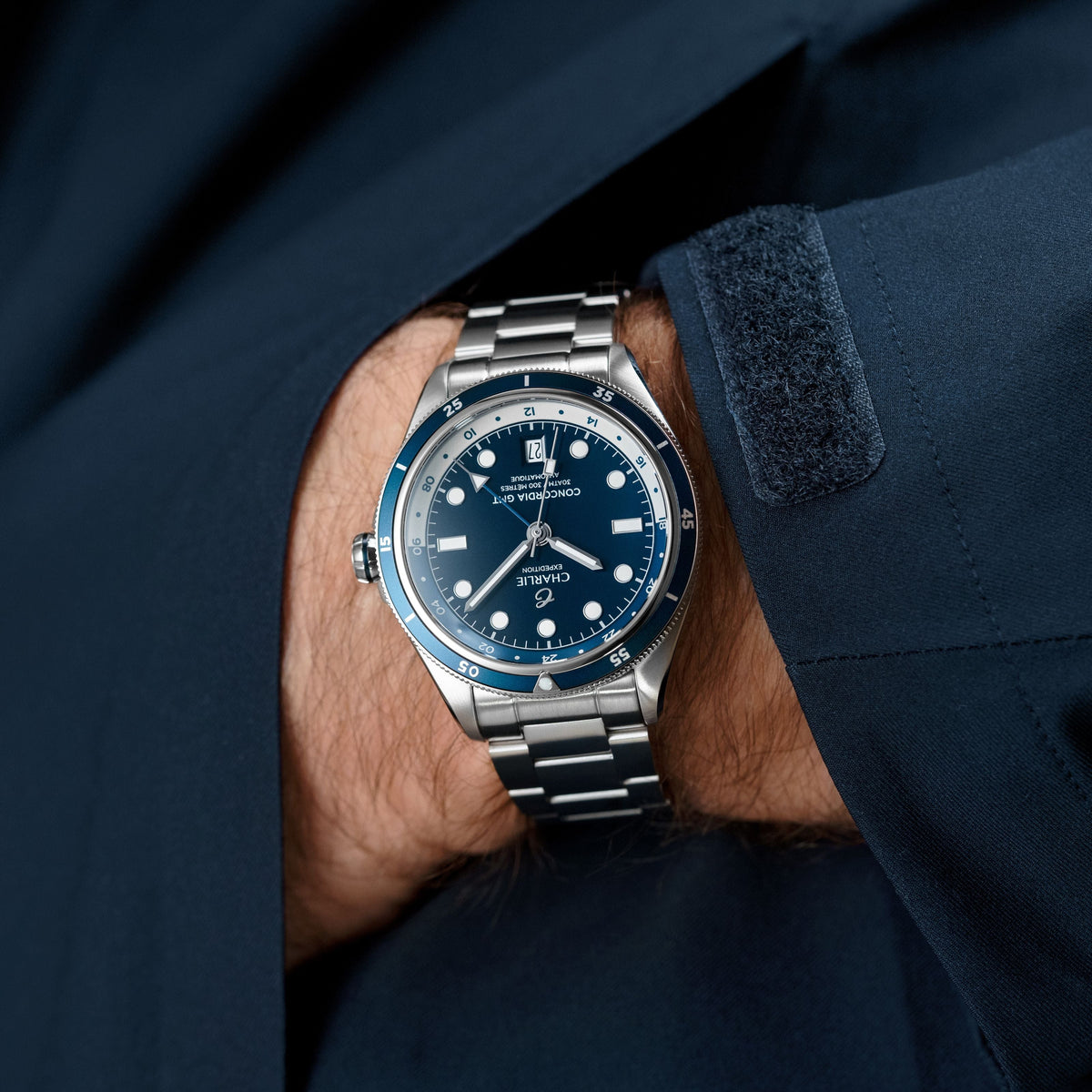
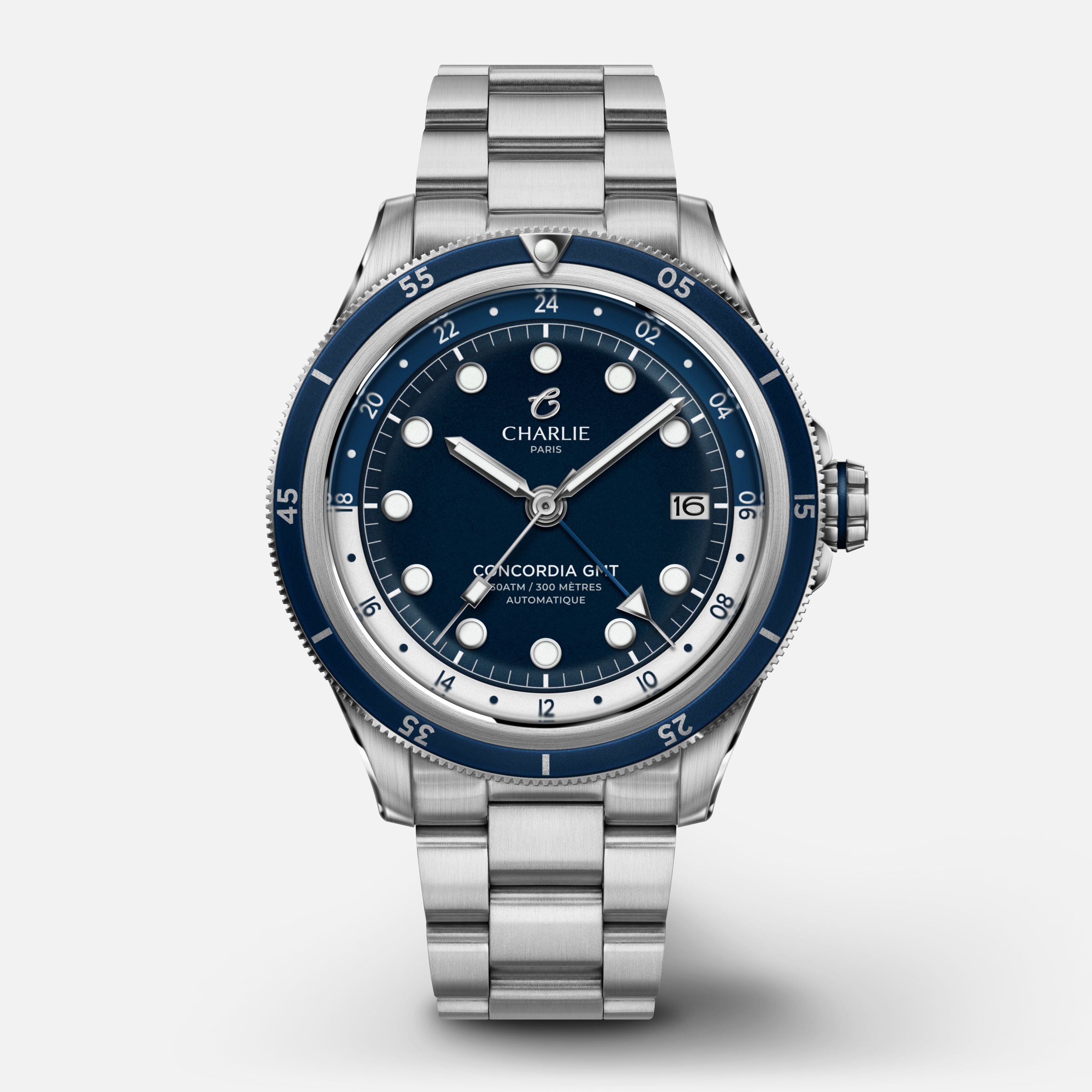
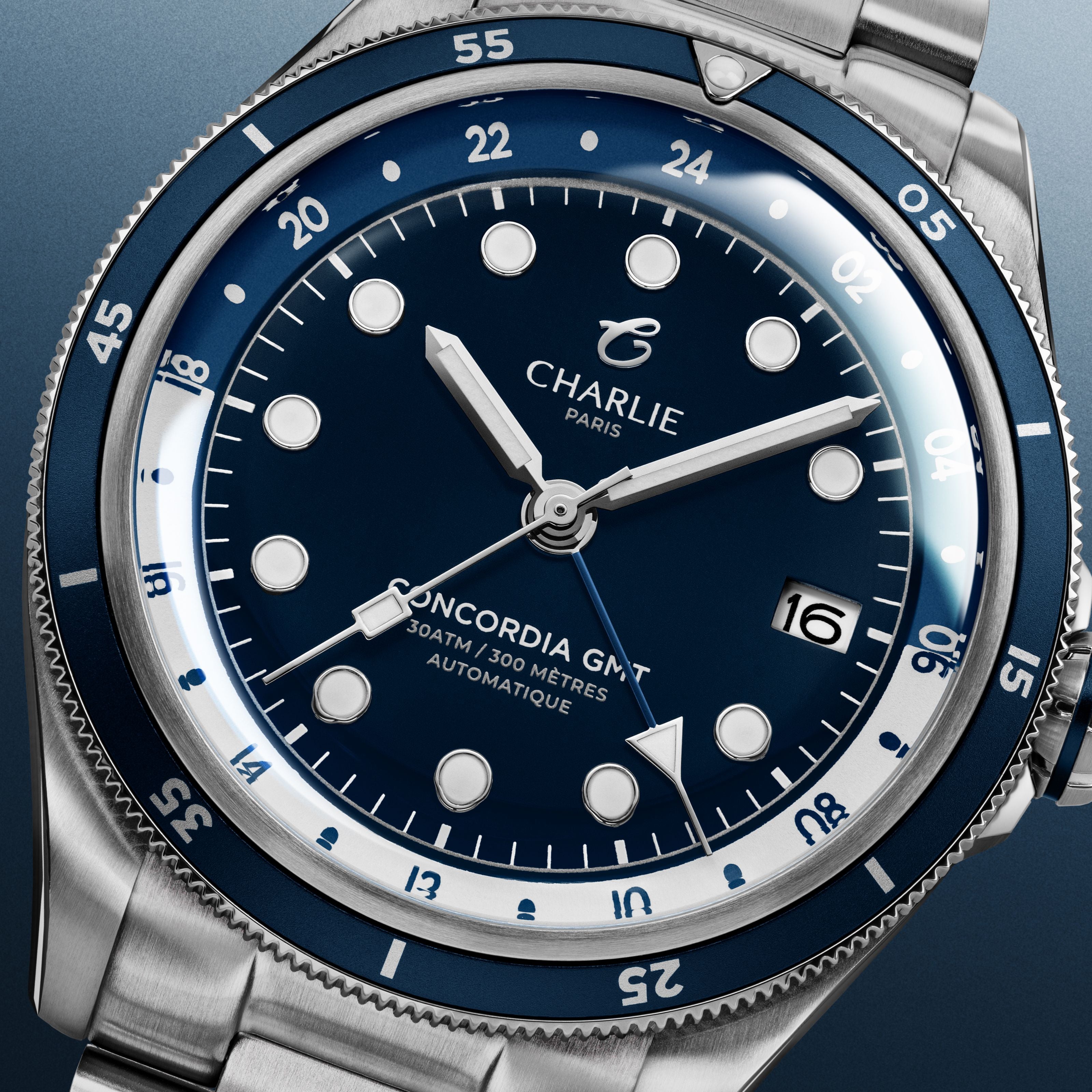
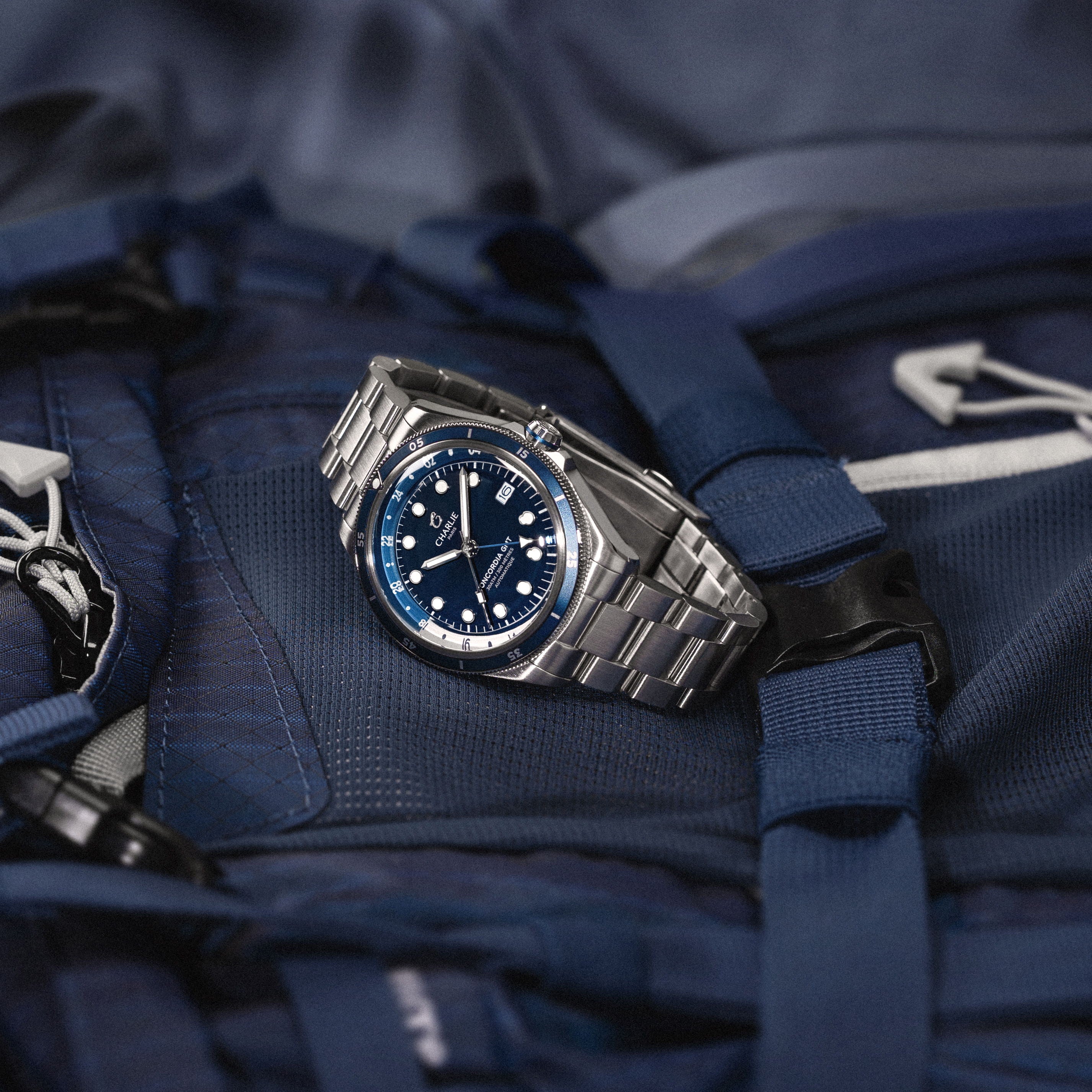
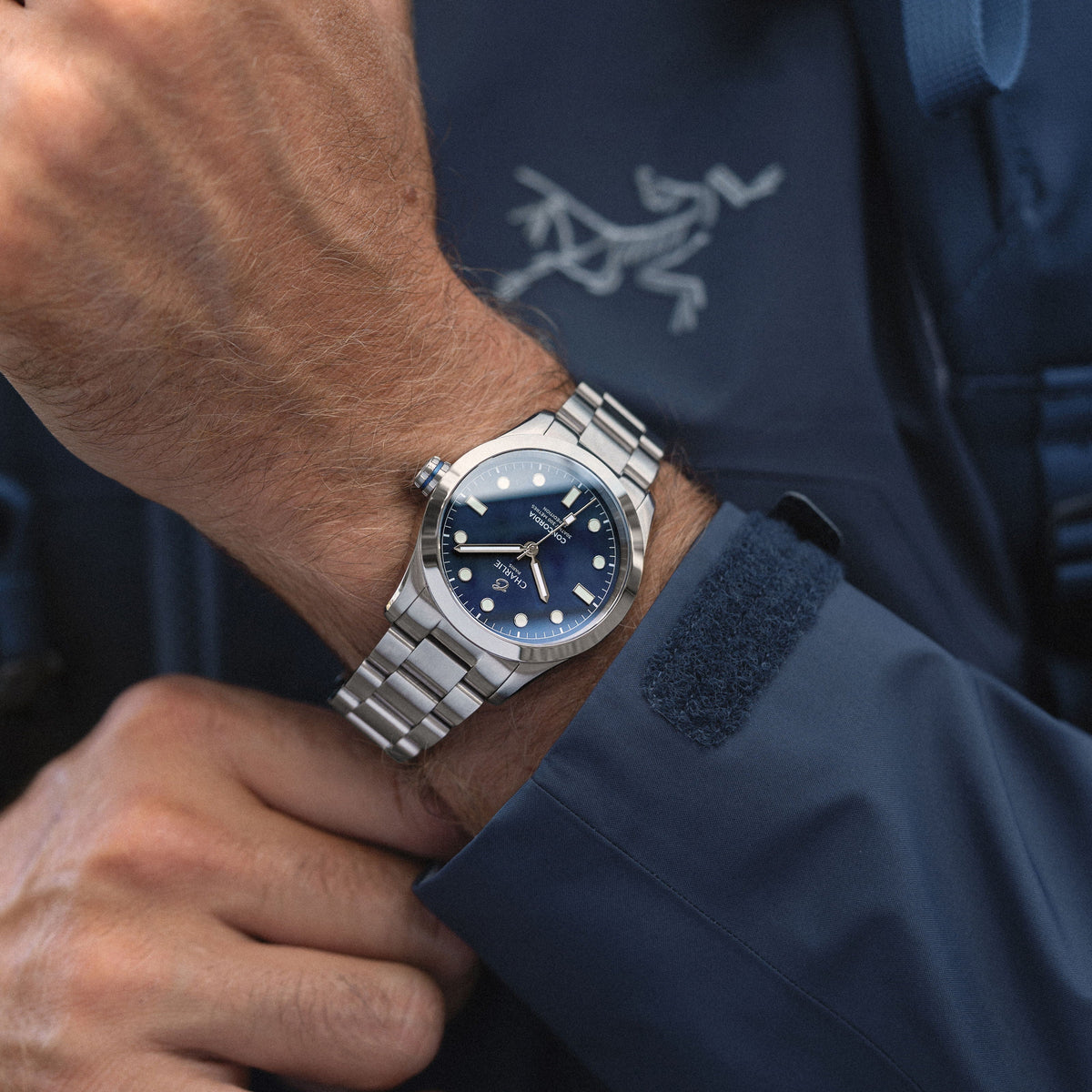
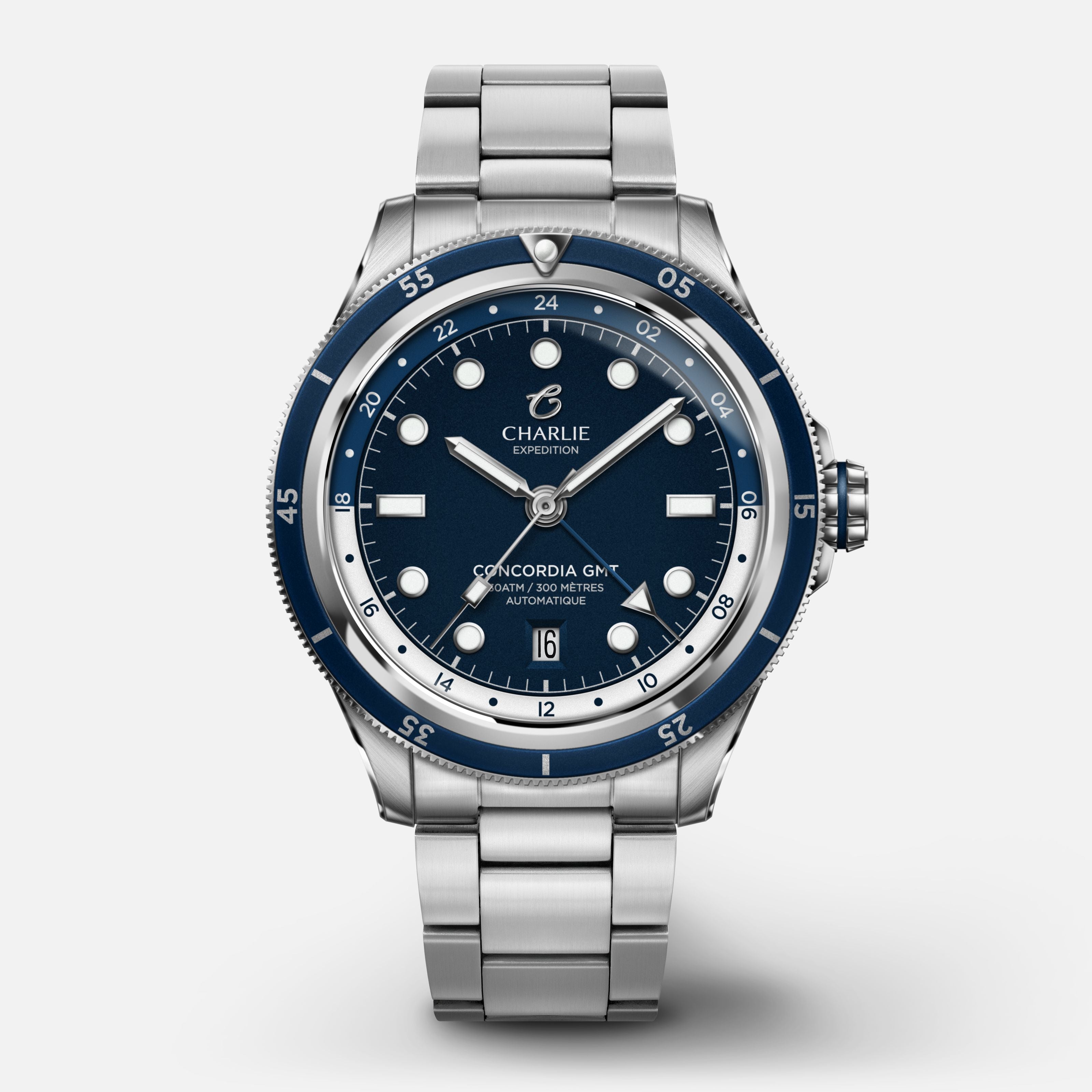
Discover our Toolwatch: the Concordia, designed to meet the extraordinary specifications of adventurer Matthieu Tordeur's Antarctic expedition.
Today, the Charlie Paris team is talking about a French expression we all use: "pile à l'heure" (right on time). Whether it's to emphasize perfect punctuality or to mark an event that hap...