













Vegetable Tanning vs Chrome Tanning: Advantages and Disadvantages
Vegetable tanning and mineral tanning, what are the differences? For some of our
1. But what exactly is vegetable tanning? ?
Tanning is the process that transforms animal hides into supple, durable, rot-proof and water-resistant leathers.
Tanning Vegetable tanning was the first method used by humans; this process was widely employed from the Middle Ages onward. Before being tanned, the hide undergoes some alterations.
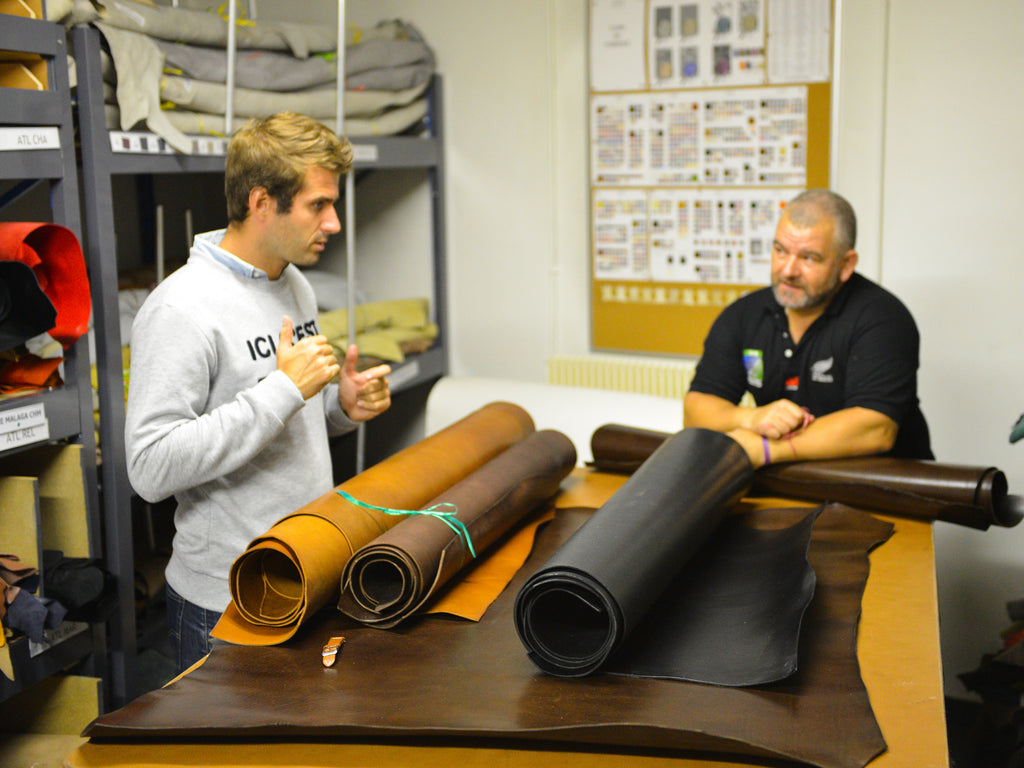
The hide is first salted or dried for preservation. It is then rehydrated and dehaired to remove hair and subcutaneous tissue. Finally, the hide is ready to be tanned! To transform the hide into leather, it is immersed in large vats saturated with tannins. The vegetable tanning process uses tannins; these are organic substances found in the bark, sap, leaves, and roots of plants. Upon contact with the animal hide, these tanning agents transform it into leather.
The leather, now tanned, undergoes two further steps: curing and finishing, which allow the desired thickness and finish of the leather to be obtained according to its future use.
While the process could initially take months or even years, vegetable tanning today takes only one to two days. In contrast to the early days of the tanning industry, today's vats are much more saturated with tannin, which accelerates the process. By using only products from the biosphere, vegetable tanning is considered a more environmentally friendly method, similar to vegan leather.
Vegetable-tanned leather will have beautiful natural hues that will develop a patina and acquire a unique color over time. Vegetable tanning produces leathers that are slightly stiffer and firmer, unlike ostrich leather or to Chrome-tanned leather. However, its feel will be softer and silkier.
As you may have gathered, vegetable tanning should not be confused with vegan leather, which is not of animal origin. Vegan leather is a textile that imitates leather and is created using fibers from certain plants, the best known of which are pineapple leaves and eucalyptus fibers. However, the term "vegan leather" is a misnomer and a rather oxymoronic term. The word "leather" is protected by a decree stipulating that leather must necessarily be processed using a specific method. to be derived from animal skin.
2. What about chrome tanning?
Vegetable tanning is not the only method for tanning leather. The most widespread technique is mineral tanning, also known as chrome tanning. Indeed, over 85% of tanned hides worldwide come from mineral tanning, a process developed in the late 19th century using mineral tannins, primarily chromium sulfate. This process is widely used because it tans leather much faster than vegetable tanning; it only takes a few hours for the mineral tannins to transform the hide into leather.
The advantage of chrome-tanned leather is that it will not change; the color will not evolve over time.The other major advantage of chrome tanning is that brighter colors can be applied to the leather, as seen in some of our



Read more

Through this article, Team Charlie Paris is pleased to present this iconic artist and the result of our collaboration.
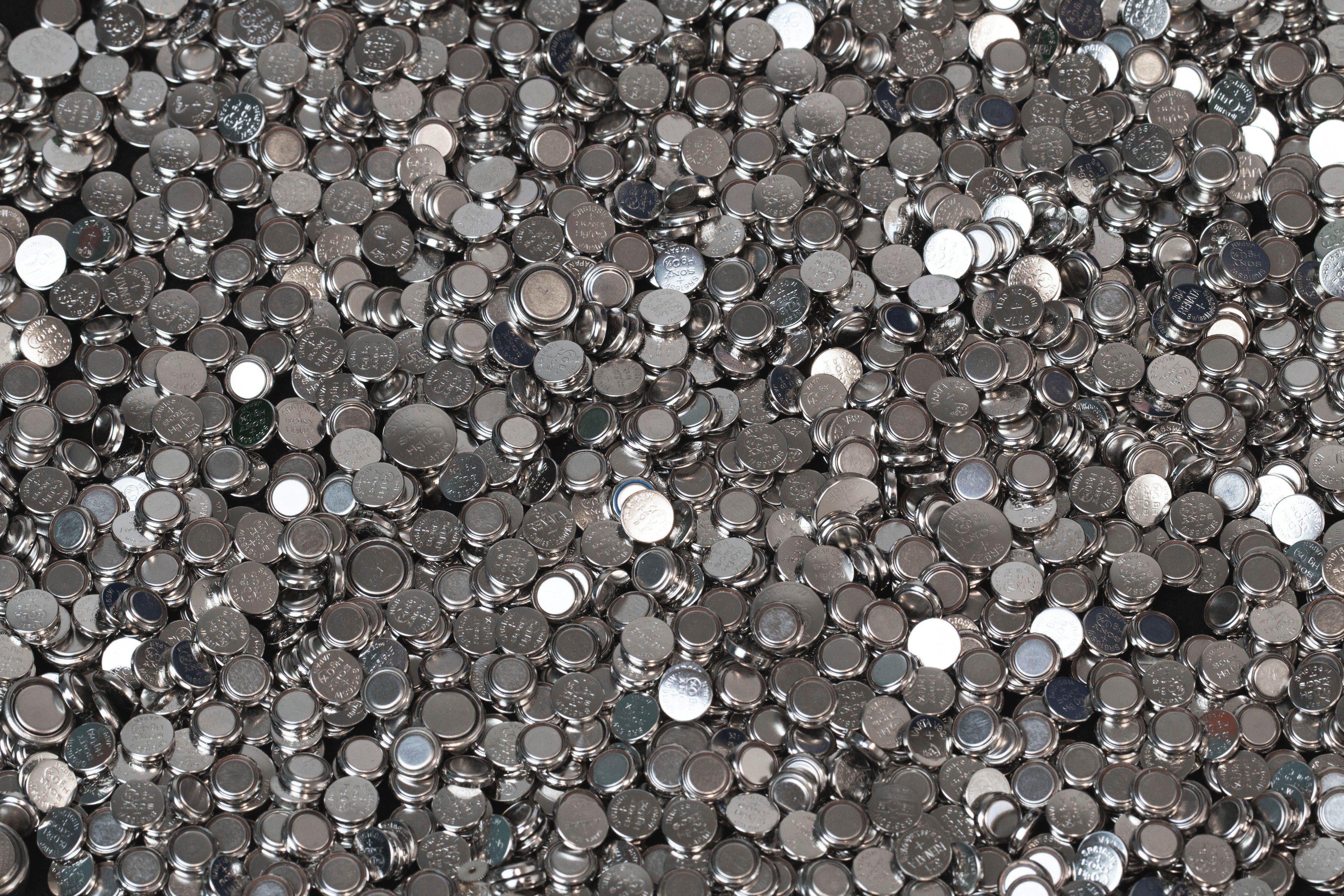
We Let's participate in the circular economy, so that used watches do not contribute to accelerating pollution but are instead valued for different uses.