



Who invented the watch and in what year ?
Today, it is very easy for us to access the time, whether through our watch or through technology. But first that Until the first watch was invented, it wasn't easy to know the time. You had to wait until you went to a town to consult the single clock hanging on the church steeple. But then, who invented the watch and in what year? In this article, we'll look back at its origins. the first watch in order to answer this question.

Peter Henlein, the inventor of the first watch
While clocks have existed since the 13th century, it was only from the 16th century onwards that they were miniaturized to become the first watches.. It should be noted, however, that the first watch could not have been invented without the mainspring, a metal ribbon that stores energy and releases it by gradually unwinding. As it unwinds, it drives a gear system that allows the hands to rotate on the dial. The mainspring thus replaced the weights and pulleys that powered clocks of the time. Early attempts were unsuccessful; the watches would lose their accuracy after a week. This is why it wasn't until the 16th century that a more reliable timepiece was developed. century around 1510, so that the first watch sees during the day, thanks to Peter Henlein (1479-1542), a German watchmaker from Nuremberg, created pocket watches that bore little resemblance to the timepieces we wear today. These early watches were designed to be carried in pockets and were egg-shaped, unlike the relatively flat discs that fit comfortably on our wrists. They were known as Nuremberg eggs, reflecting the origins of their creator, Peter Henlein. As they gradually became flatter, they acquired the name "pocket watch," the term referring to the pocket designed for this purpose.
The first jewelry watches
Watches first became popular among women by being attached to their necklaces, and then, in the 19th century, by being miniaturized into rings. Reading the time while wearing a watch around their neck wasn't very practical; a stiff neck was almost guaranteed. As you can see, women used watches more as fashion accessories than as actual timekeeping devices.

The first watches Strap s
The first watch
Manual winding watch, automatic watch and quartz watch
The first watches were naturally hand-wound. Every day, you had to wind your watch to rewind the spring and thus allow the watch to work.The self-winding mechanical watch (originally called a perpetual watch) was invented in 1778 by Abrahal Louis Perrelet, eliminating the need to wind your watch every night! This mechanism remained a technical marvel for its time but did not become widespread. It wasn't until the 20th century, with the arrival of the watch, that it truly took off.


Read more
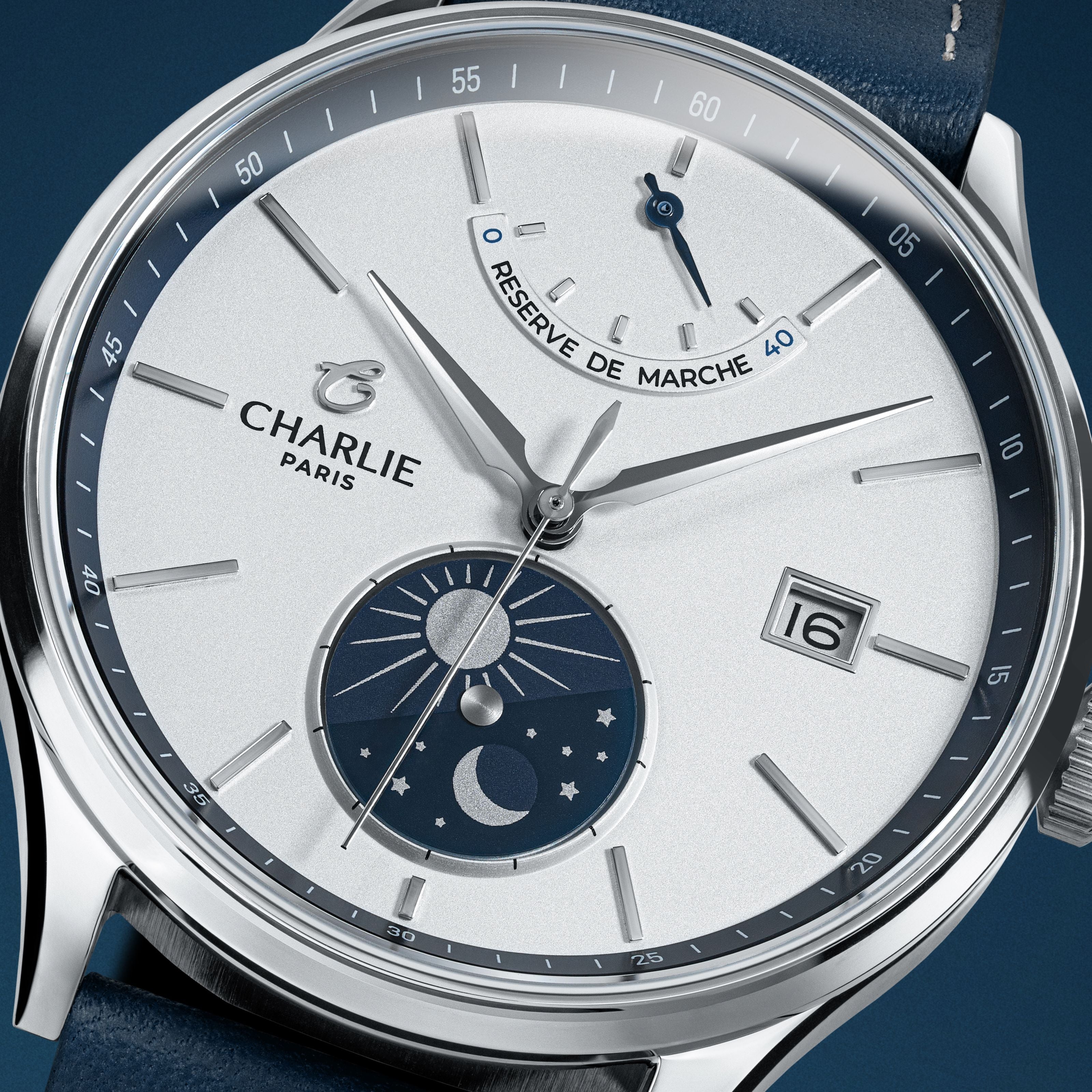
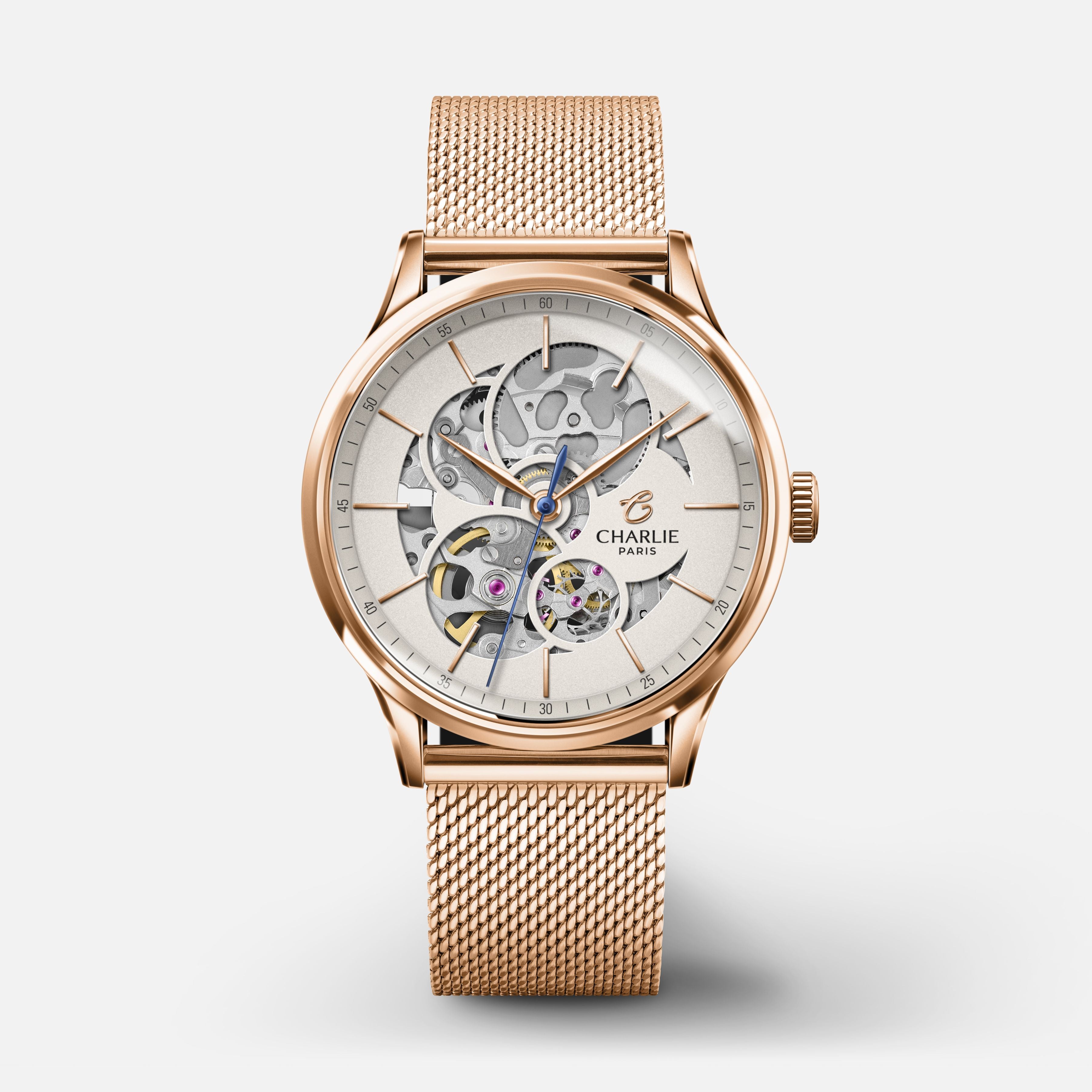
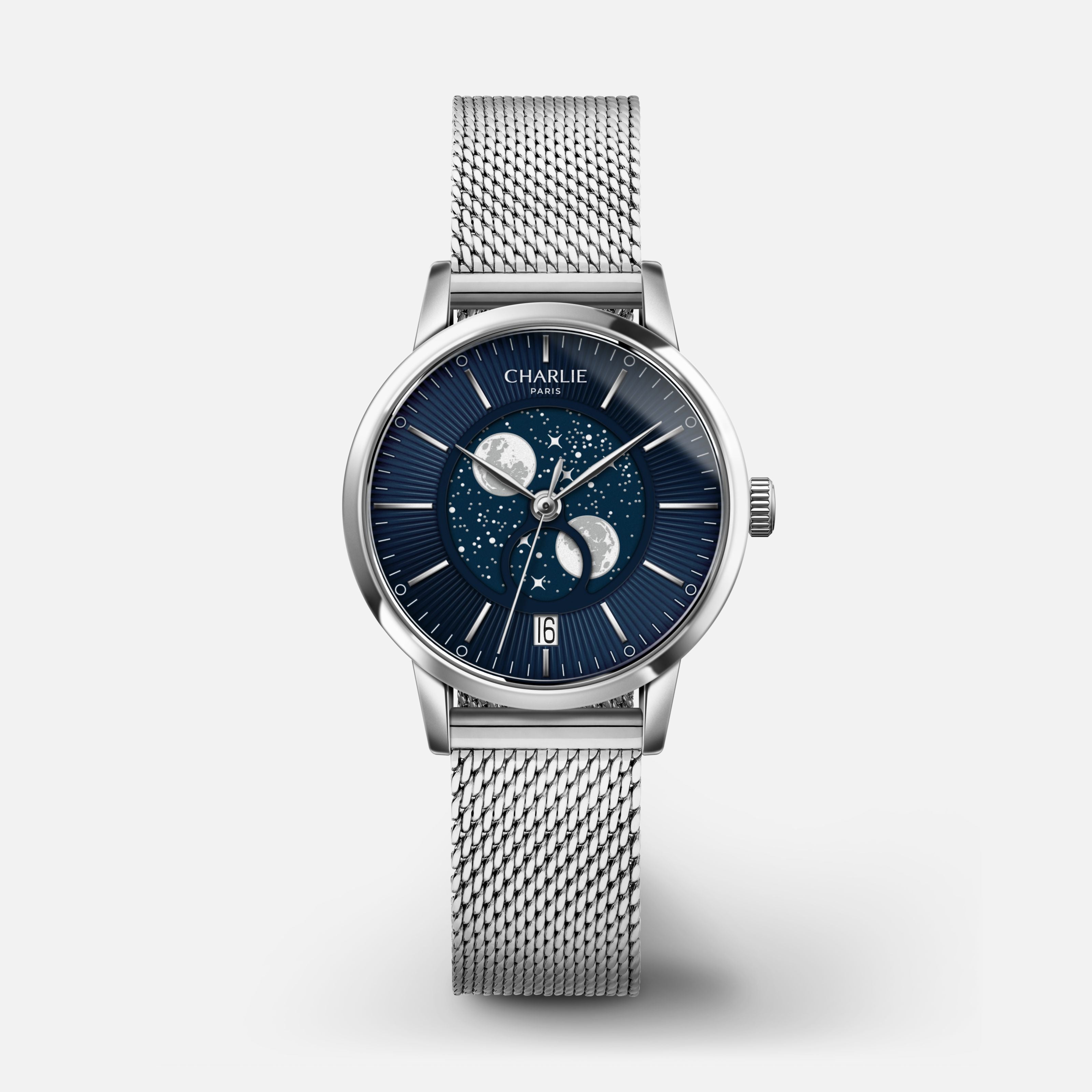
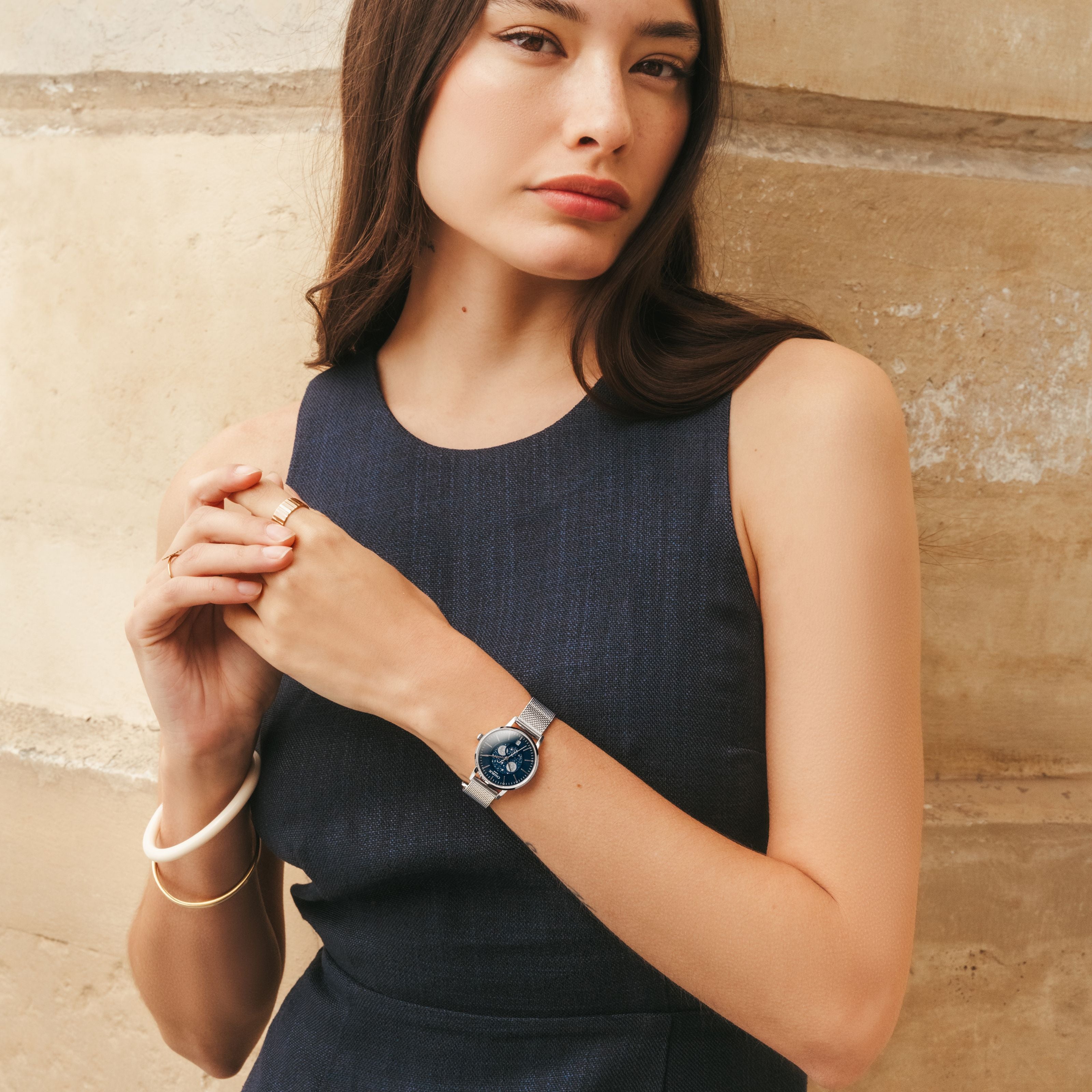
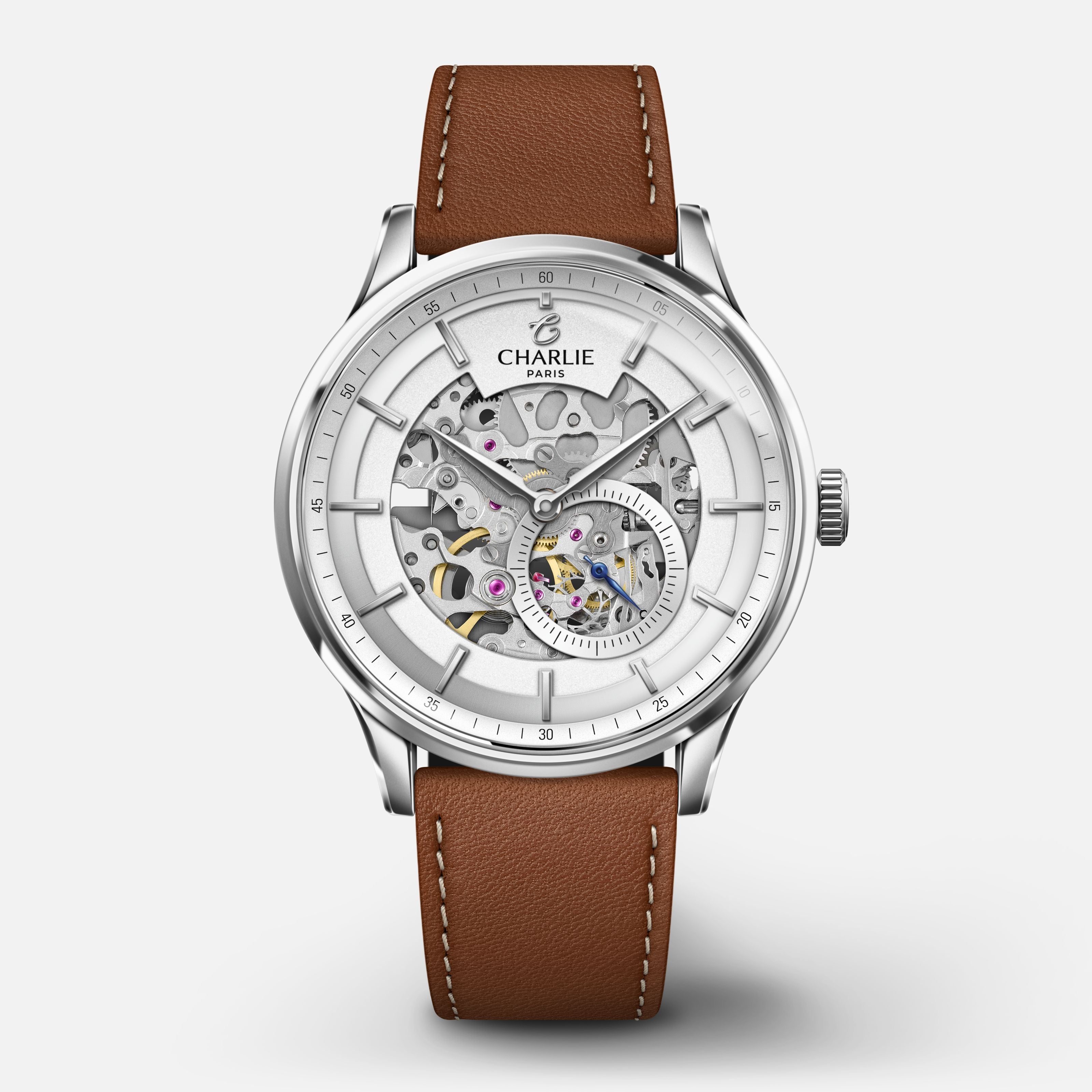
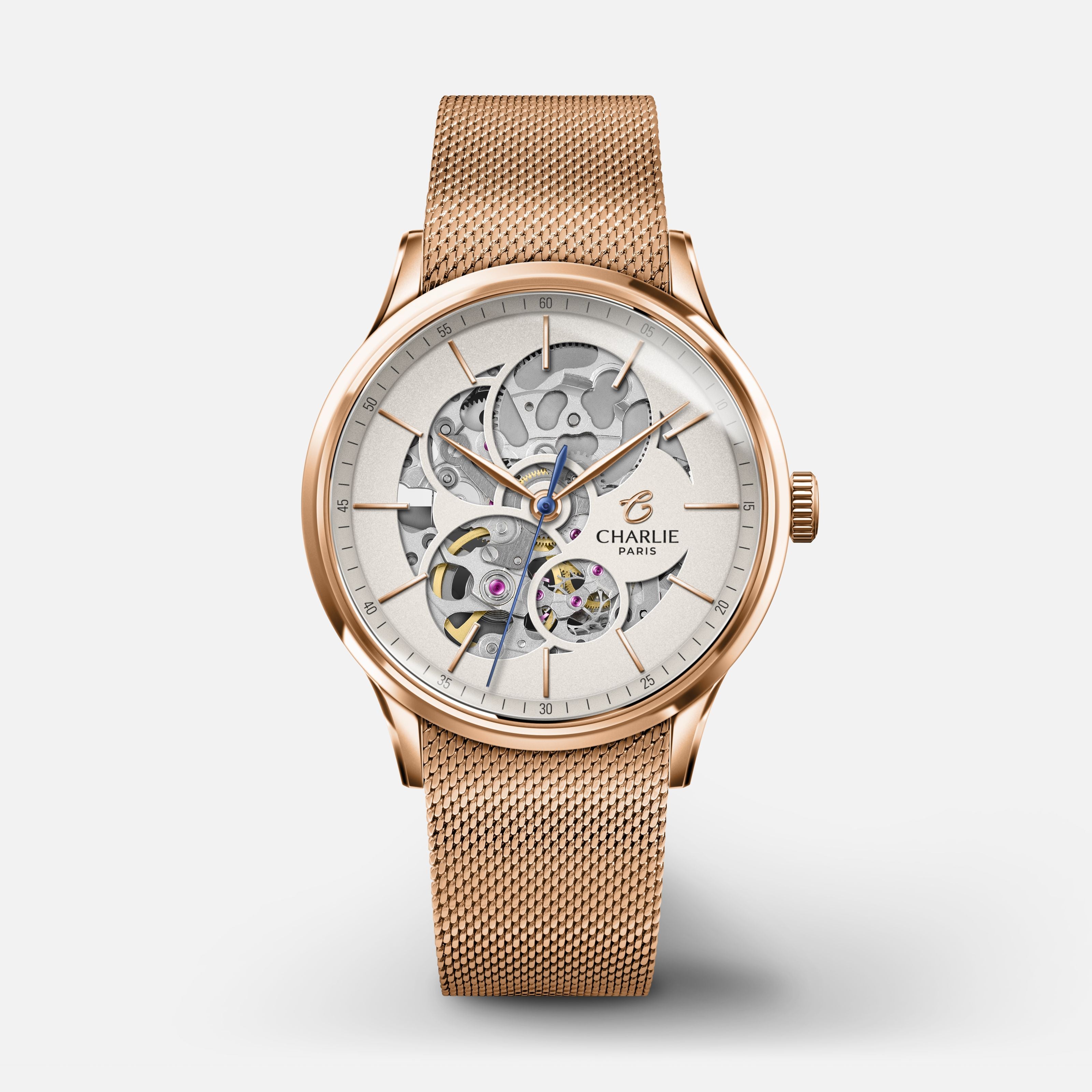
Looking for a gift for a loved one or for yourself ? We offer you a selection of automatic watches and mechanical watches, signed Charlie Paris.
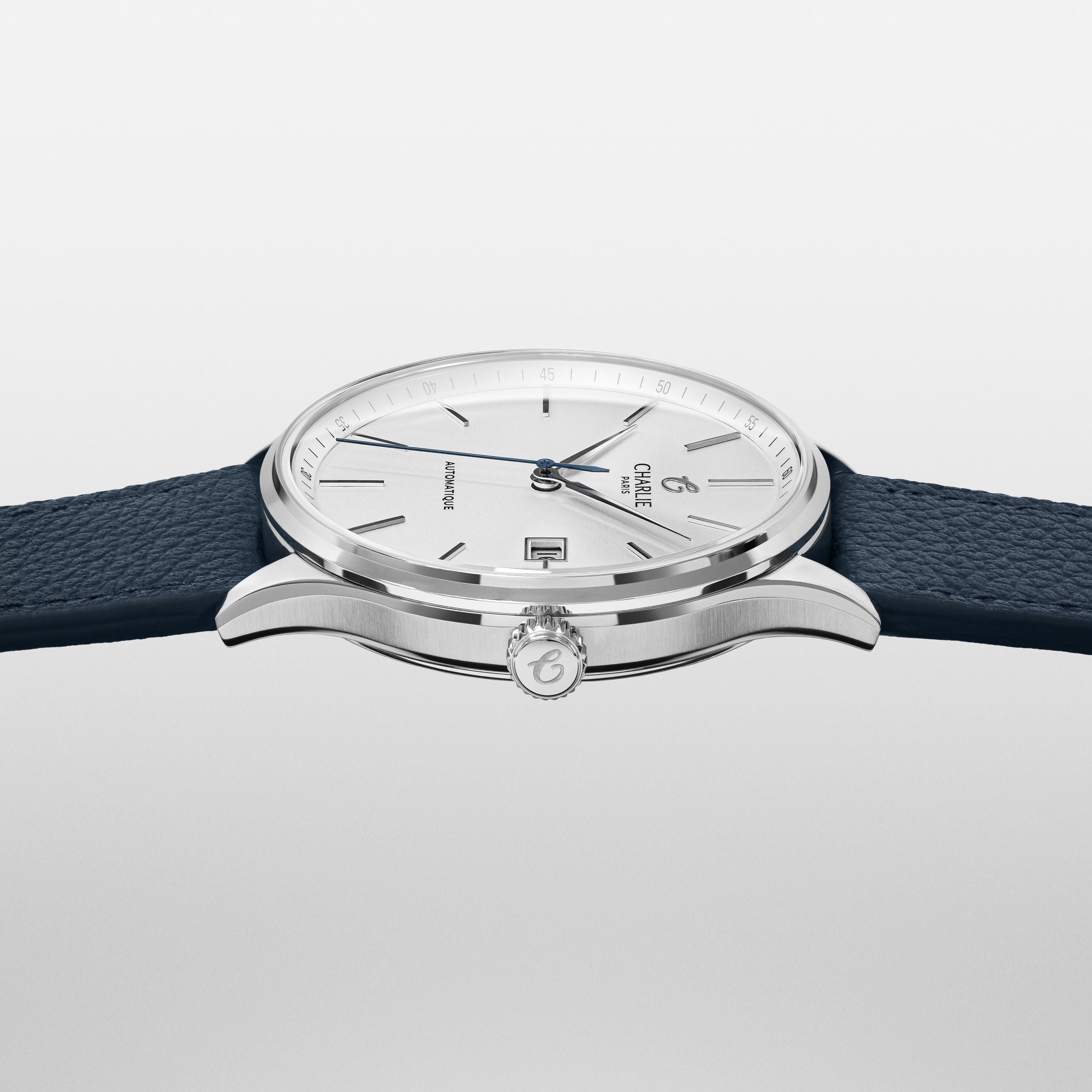
Standard steel rusts, but the steel of Charlie Paris watches is stainless and does not rust. How is this phenomenon explained ? What are the characteristics of the 316L steel used for our watches?