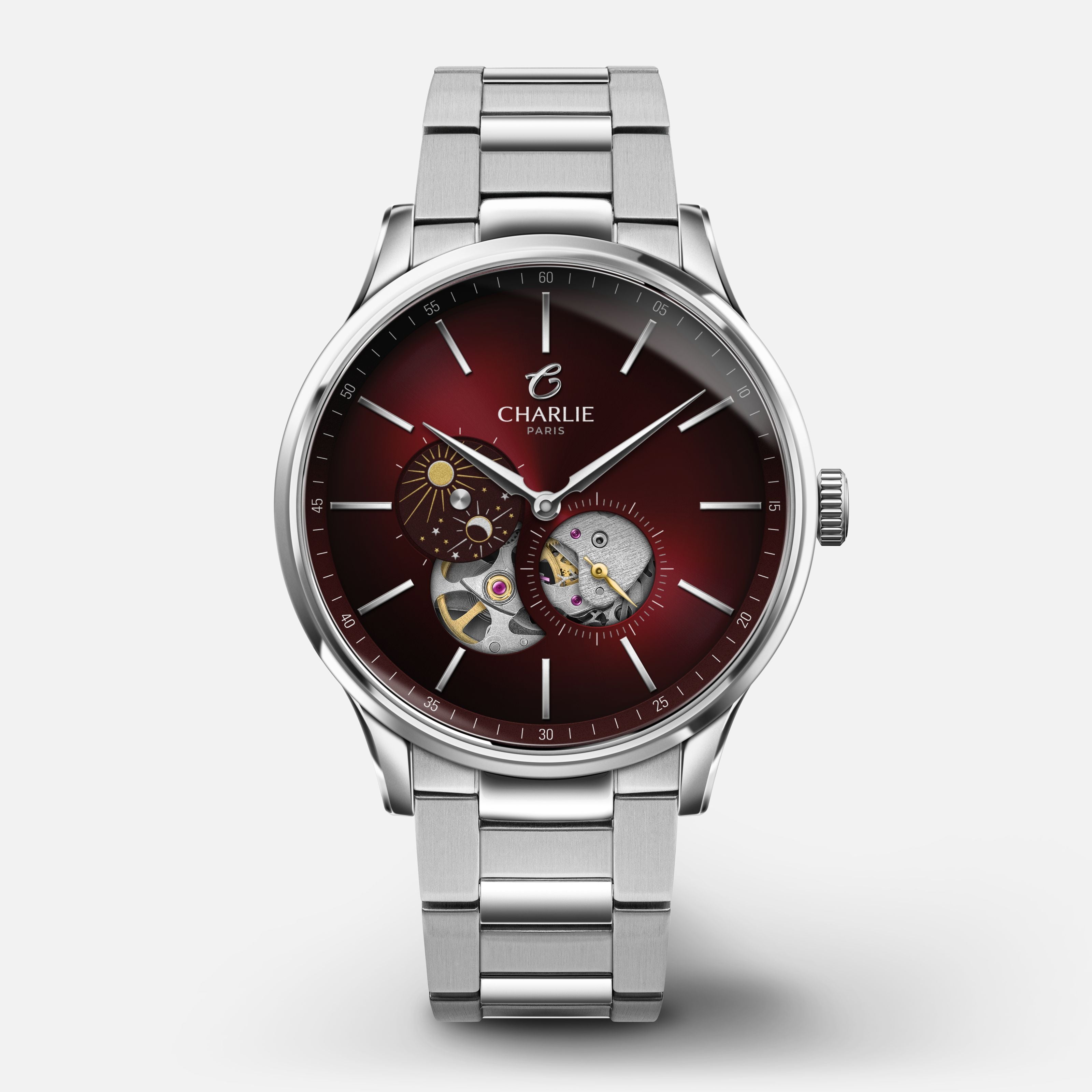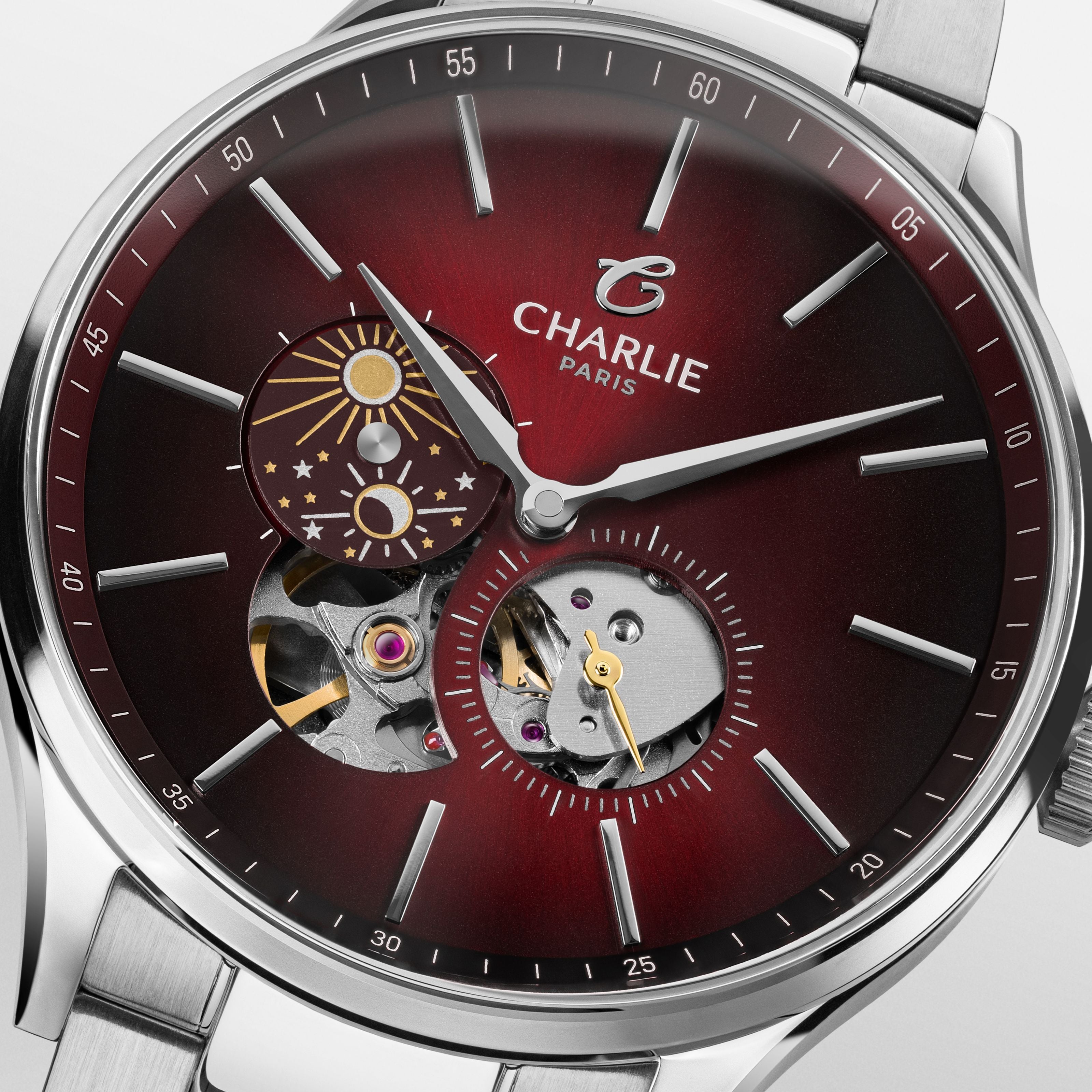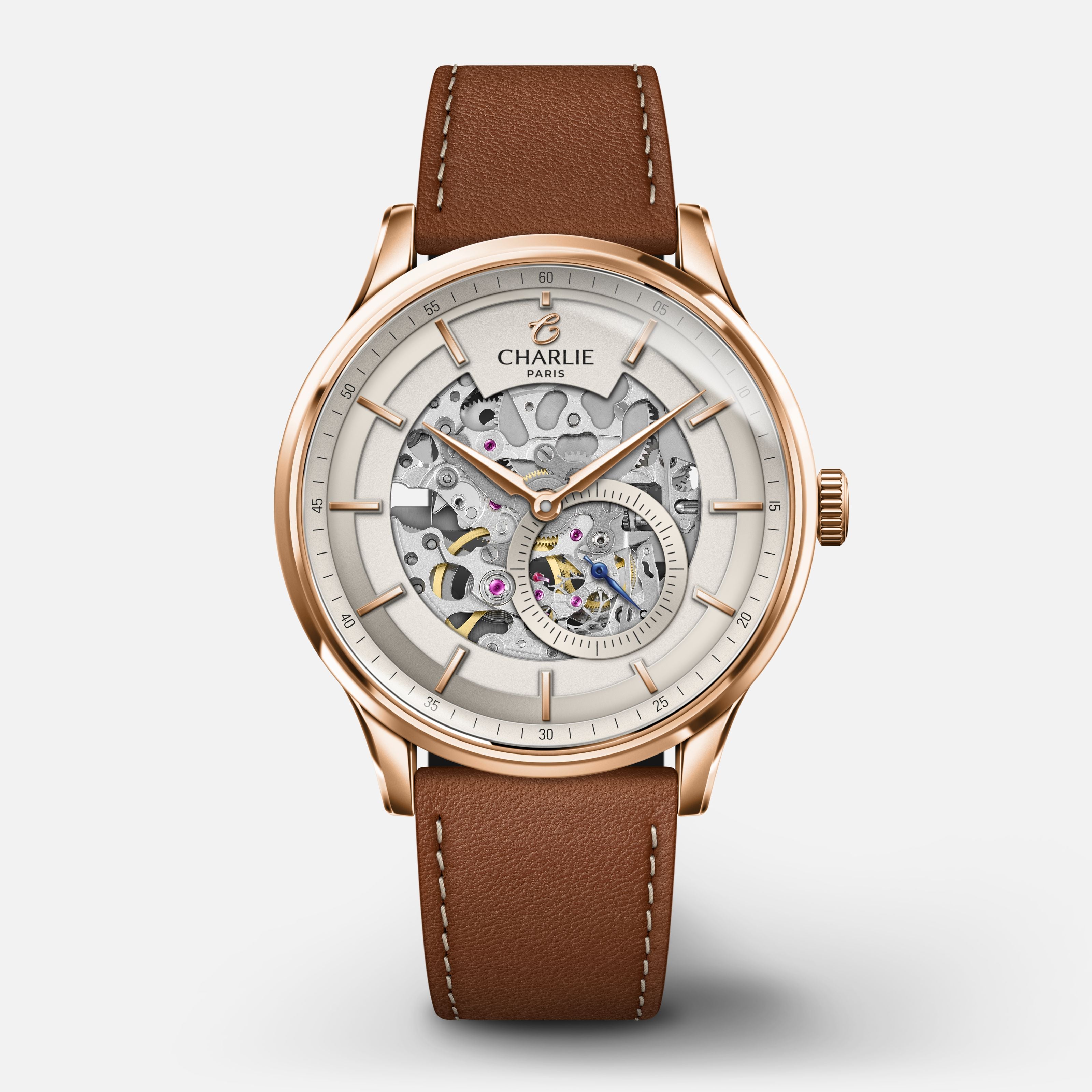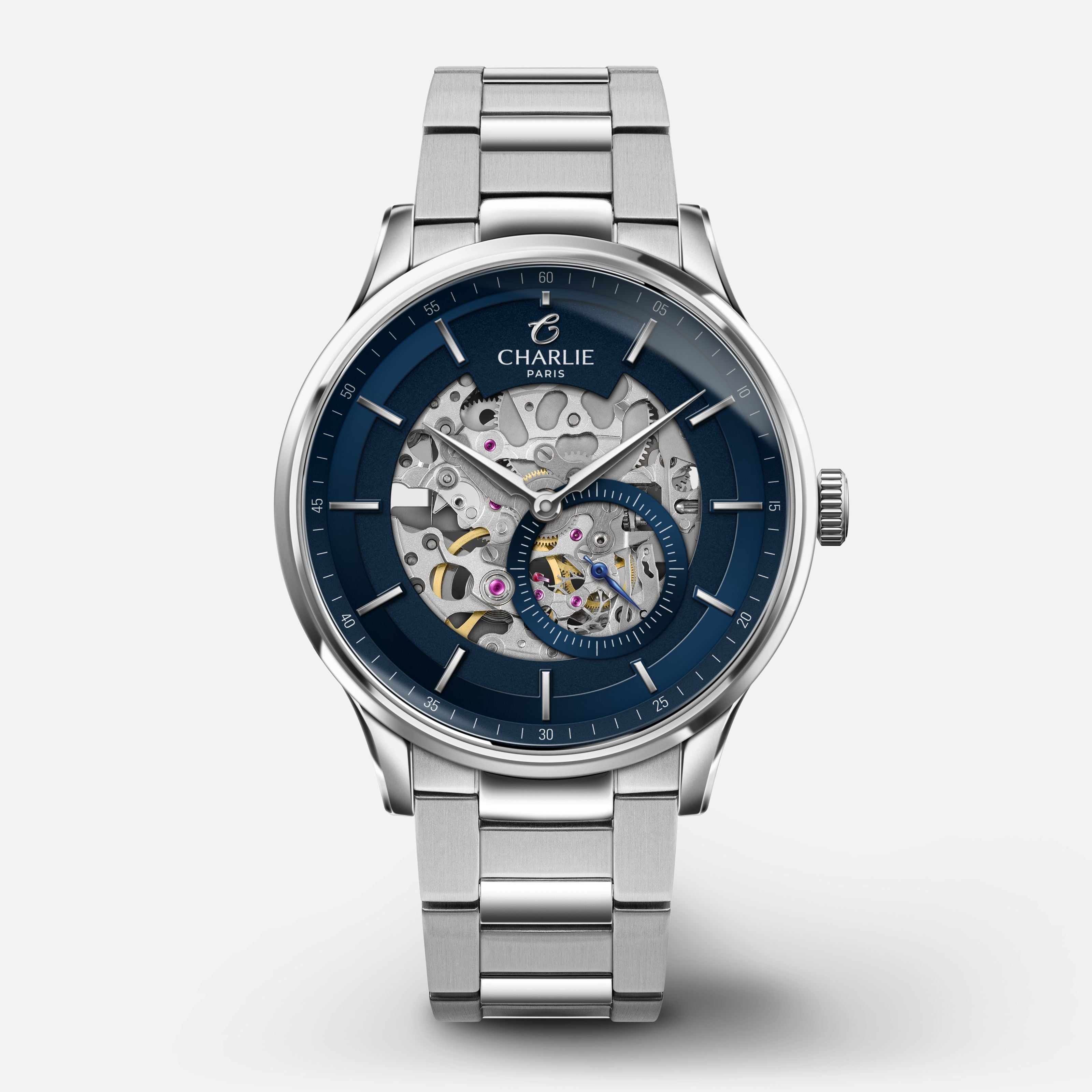





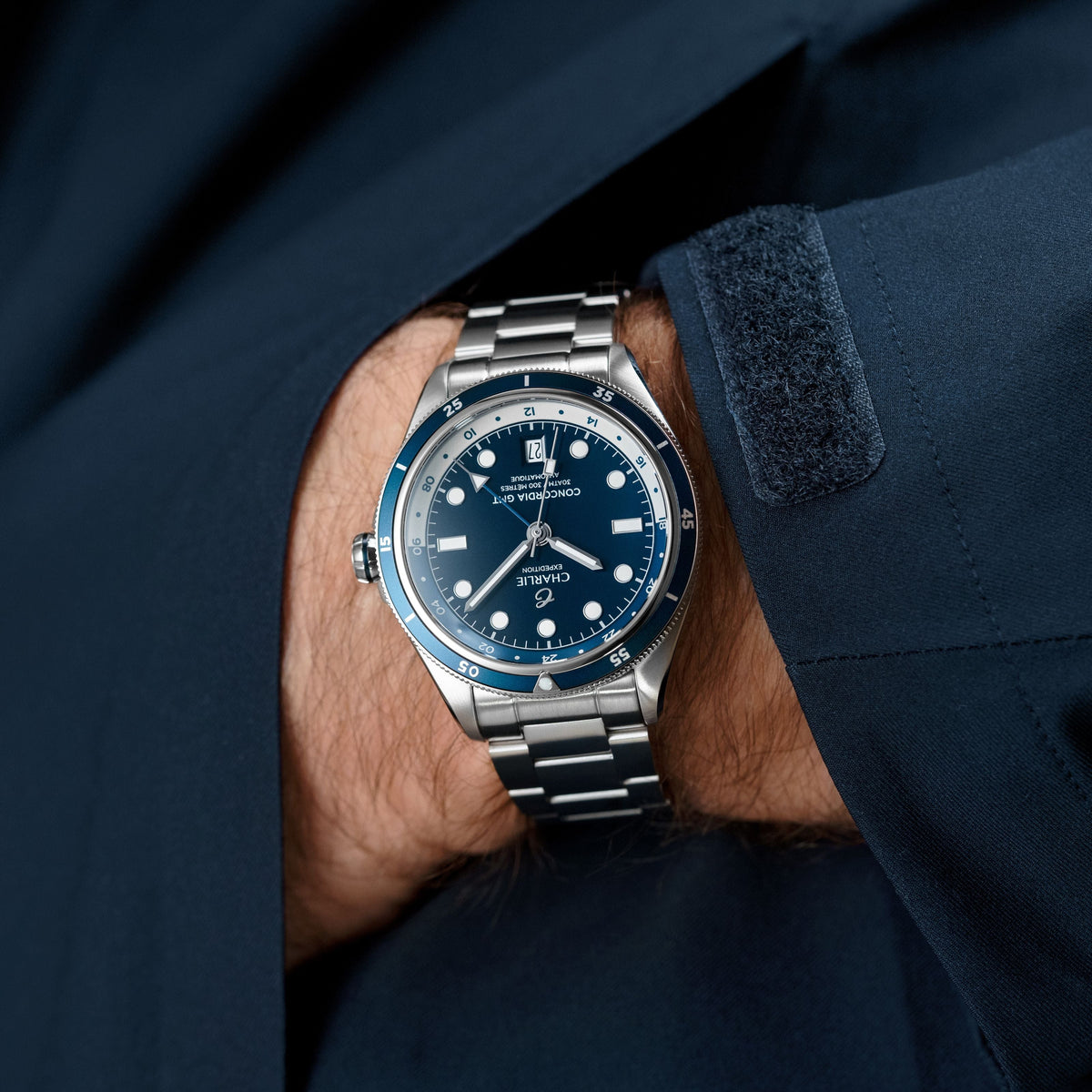
Toolwatch, a watch built for adventure
While researching watches, you may have already heard or seen timepieces called "tool watches," but do you know the history of this type of watch? The "tool watch" is a specific type of timepiece. In this article, the Charlie Paris Team explains what a "tool watch" is and outlines its characteristics.
Toolwatch, serving without fail
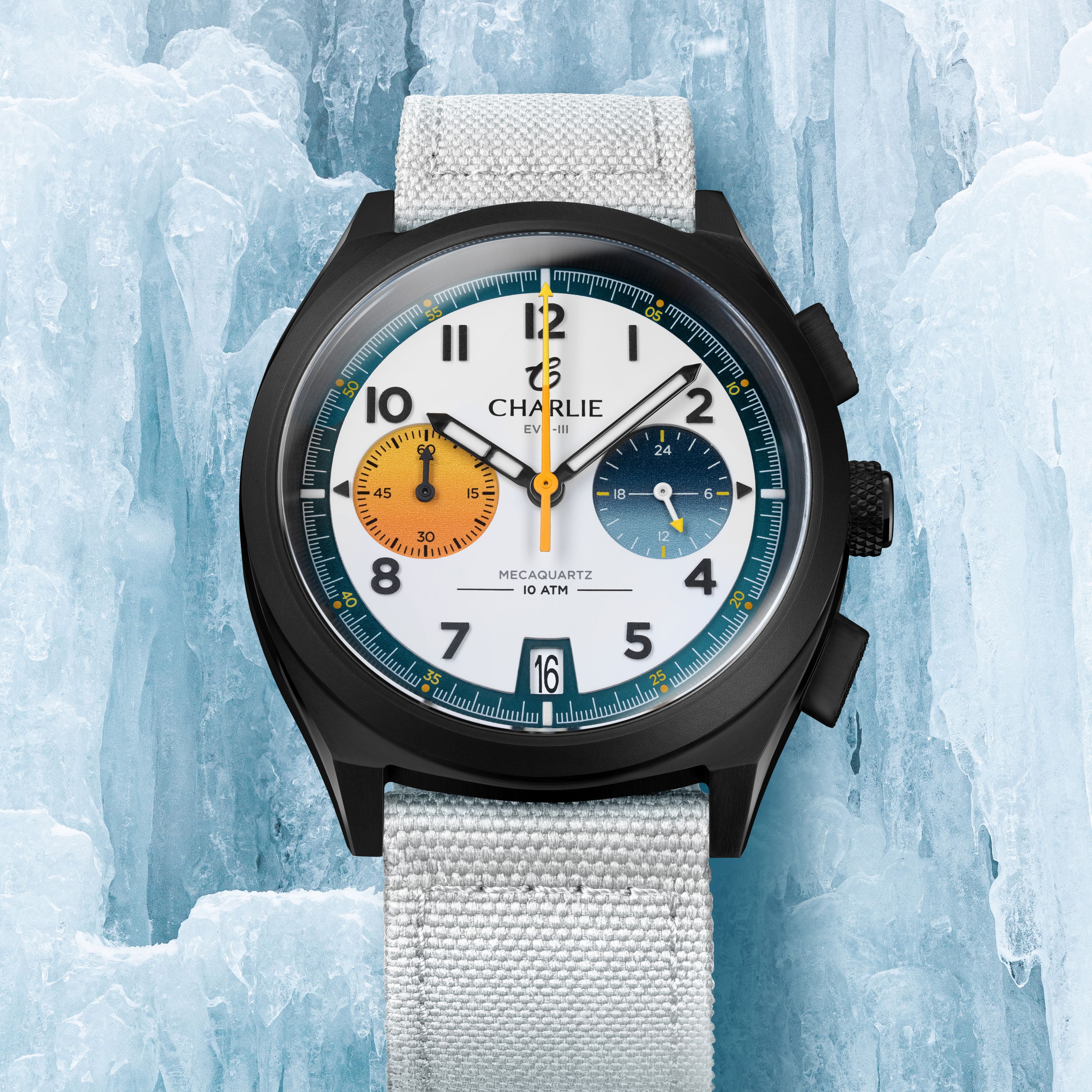
A tool watch is a timepiece designed for durability, to withstand many trials, and to be easily repaired. Historically, this type of watch was conceived for military personnel, explorers, and adventurers. In these circumstances, the tool watch had to perform reliably. Today, it is an everyday tool, a type of... watch whose purpose is to accompany you everywhere, every day. With the advent of digital technology in recent years, this timepiece has become associated with electronics, and smartwatches are increasingly common. However, for major luxury brands, the tool watch with an automatic mechanical movement has become a true, authentic jewel, reflecting a certain spirit of adventure highly prized by connoisseurs. At Charlie Paris, we share this vision of the tool watch: a sports watch with a vintage style and impeccable technical features, and which conveys an image of adventure.

Focus on the origins of the tool watch:
- The tool watch is an old concept that began among women in the 16th and 17th centuries. Queen Elizabeth I of England and Caroline Murat, Queen of Naples, were both given a watch.
Strap A tool designed to tell the time. At that time, the most common watches were pocket watches, worn in a pocket. It was with the arrival of the war that watches-Strap spread among the people and ceased to be the privilege of royalty. This marked the beginning of the watch-Strap tools and the military were the first to adopt this type of watch, at the end of the 19th century, which is more functional than a pocket watch.
- It wasn't until 1904 that the first watch-
Strap modern, designed by Louis Cartier, and lays the foundations of the watch-Strap tool. This watch is designed for pilots and aims to be read at a glance. Following Cartier's innovation, other manufacturers like Omega and Rolex created new iconic models that could be worn on the wrist and adapted for maritime navigation, diving, or polo.
- Following these innovations, the tool watch entered a second phase, lasting until the late 1960s. During this period, the mechanical watch reigned supreme, and the concept of the tool watch matured. Numerous watch brands developed new models, but it was technological advancements that shaped the tool watch as we know it today. From this point onward, the tool watch no longer simply told the time; it was equipped with numerous features designed to meet customer needs. At the heart of the tool watch at this stage was a mechanical movement.
- In 1969, the Seiko factory marketed the first quartz watch. This innovation offered a more durable, accurate, and affordable watch, which would lead to the famous quartz crisis. The tool watch was then influenced and transformed by this crisis. The emergence of quartz in the 1980s fostered the development of durable and highly accurate watches, which is why tool watches are generally quartz watches.Other technological advances, such as the emergence of light-emitting diodes (LEDs) and liquid crystal displays (LCDs), have allowed the tool watch to become electronic. As you can see, the tool watch today is a watch-
Strap Multifunctional digital watch. However, there is another type of tool watch, one that relies on tradition and nostalgia for past expeditions.
The characteristics of a Toolwatch:
- Solid, tested by time and nature.
- Simple in its functions in order to be easily readable and above all resistant.
- Glass The watch must also be sturdy : Sapphire glass is often used.
- Water resistant, pressure, and temperature changes, whether sudden or extreme.
- Readable in the dark, That's why on analog watches you'll find Luminova on the hands and indices.
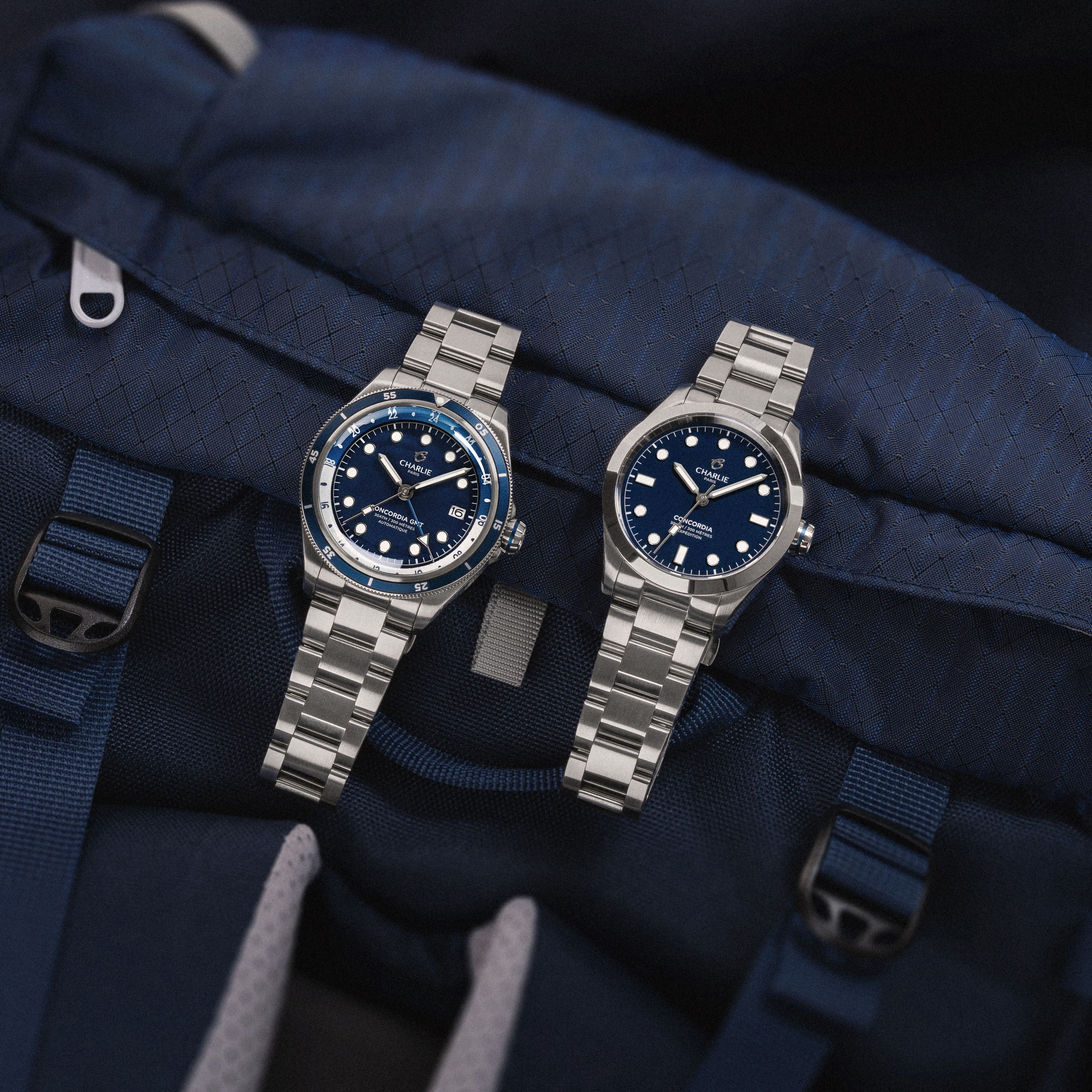
Concordia One watch, three versions, one same quest for adventure
Designed for adventurous spirits, the
-
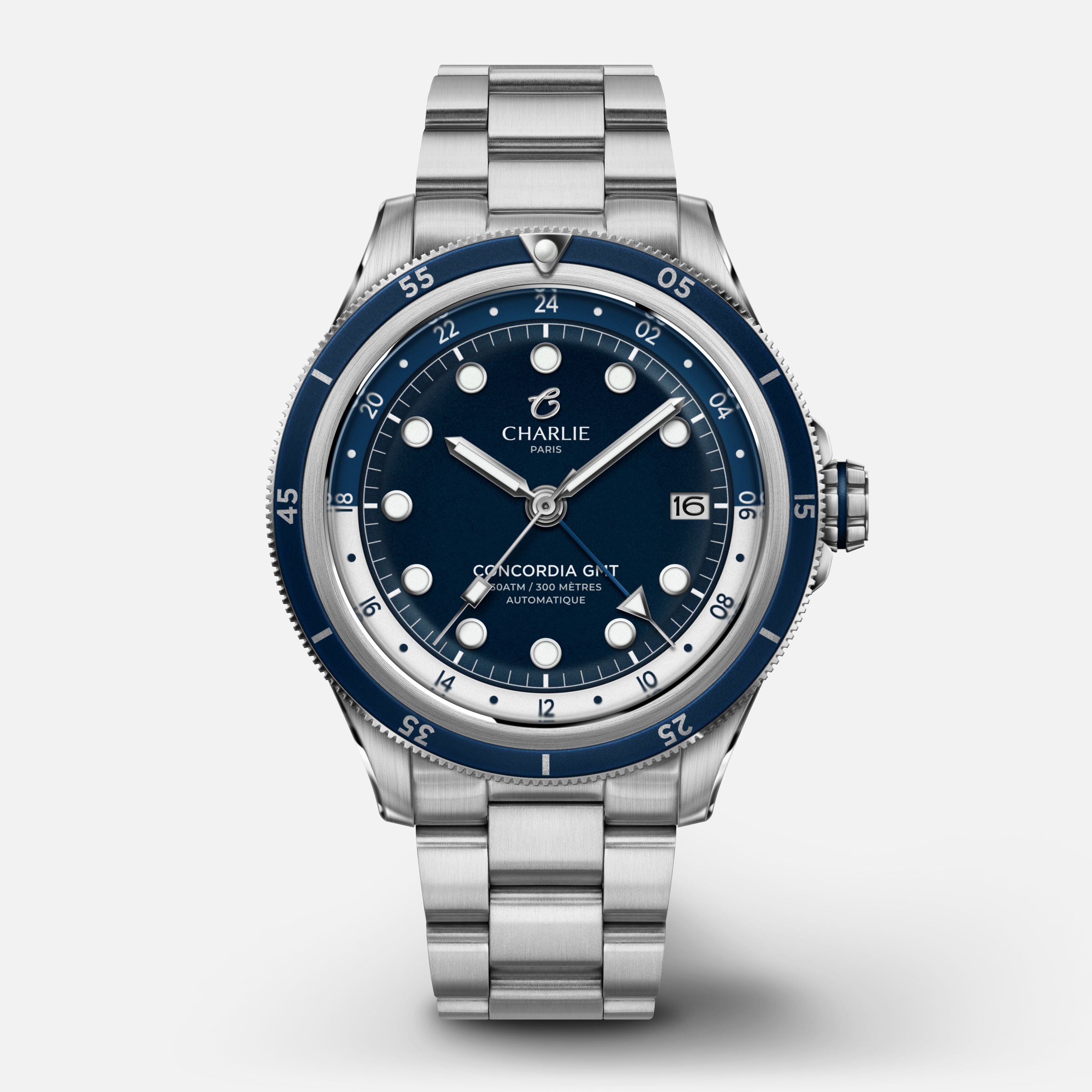
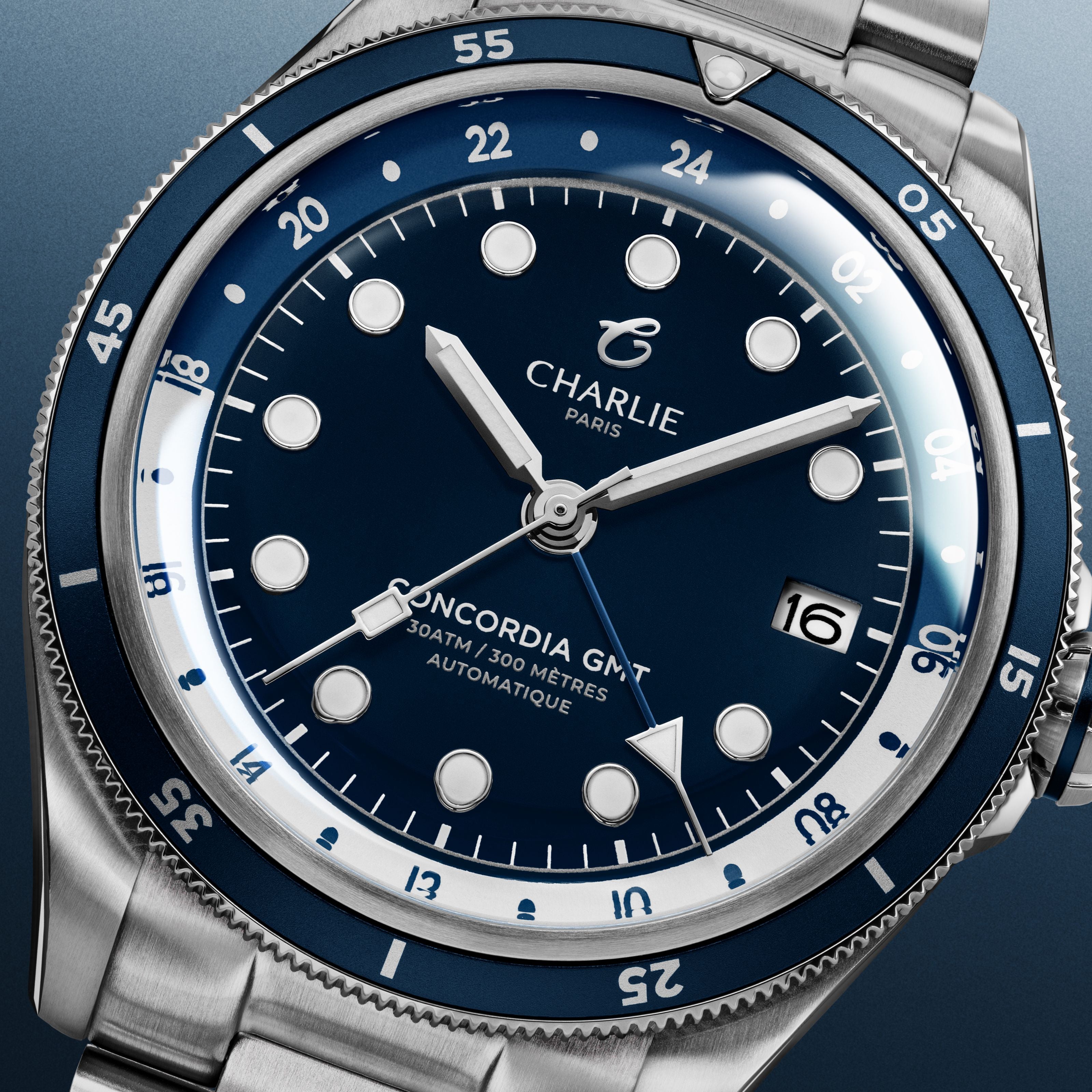
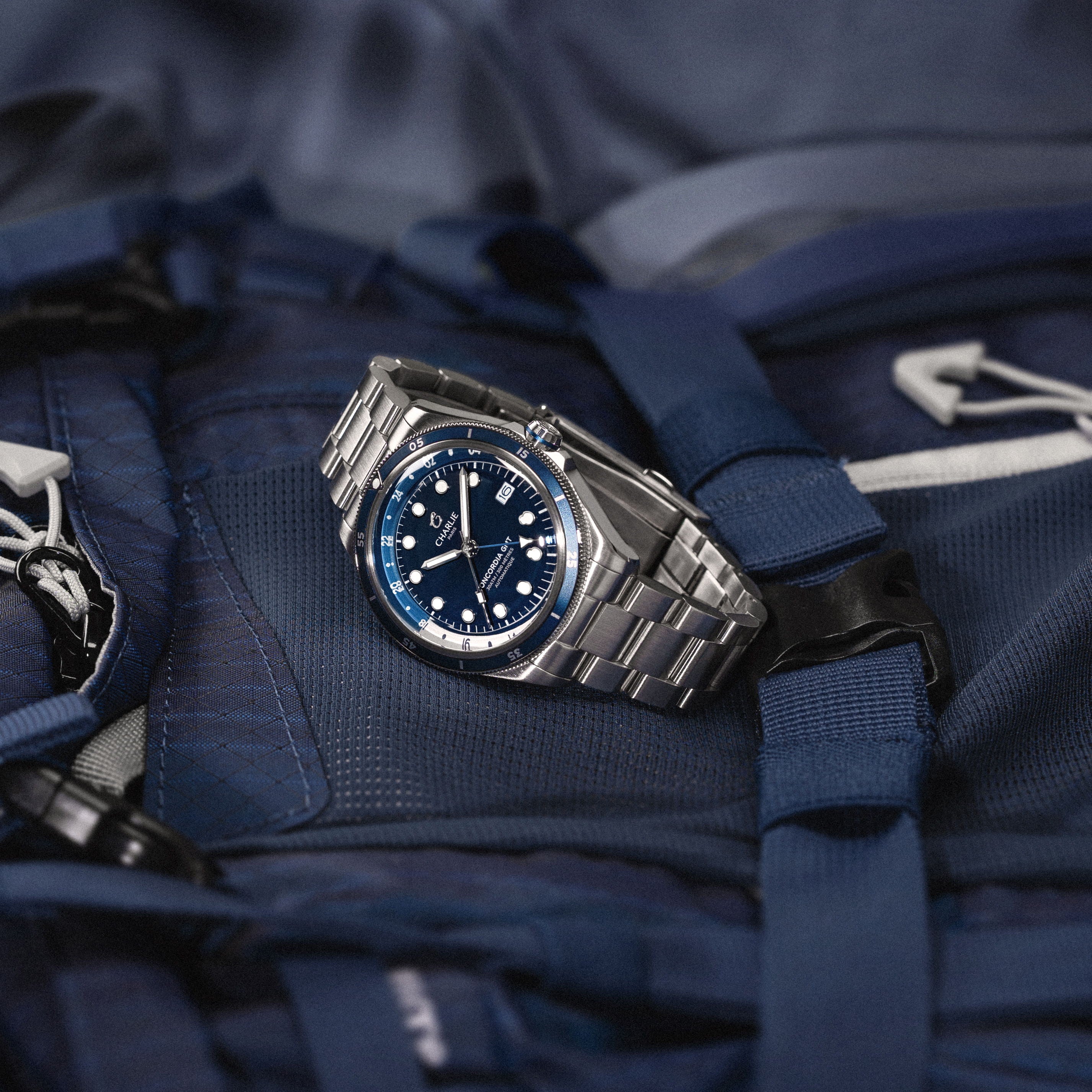
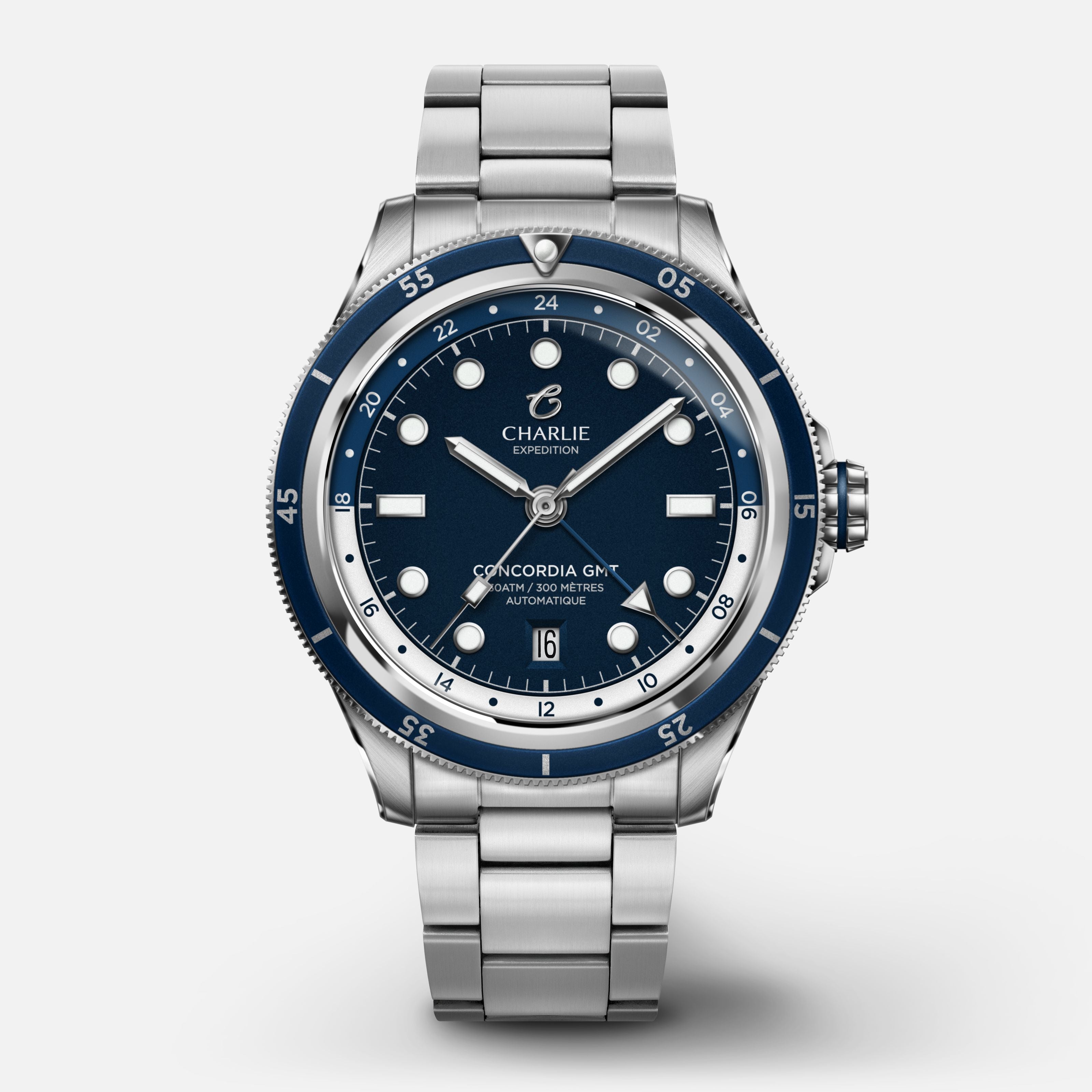
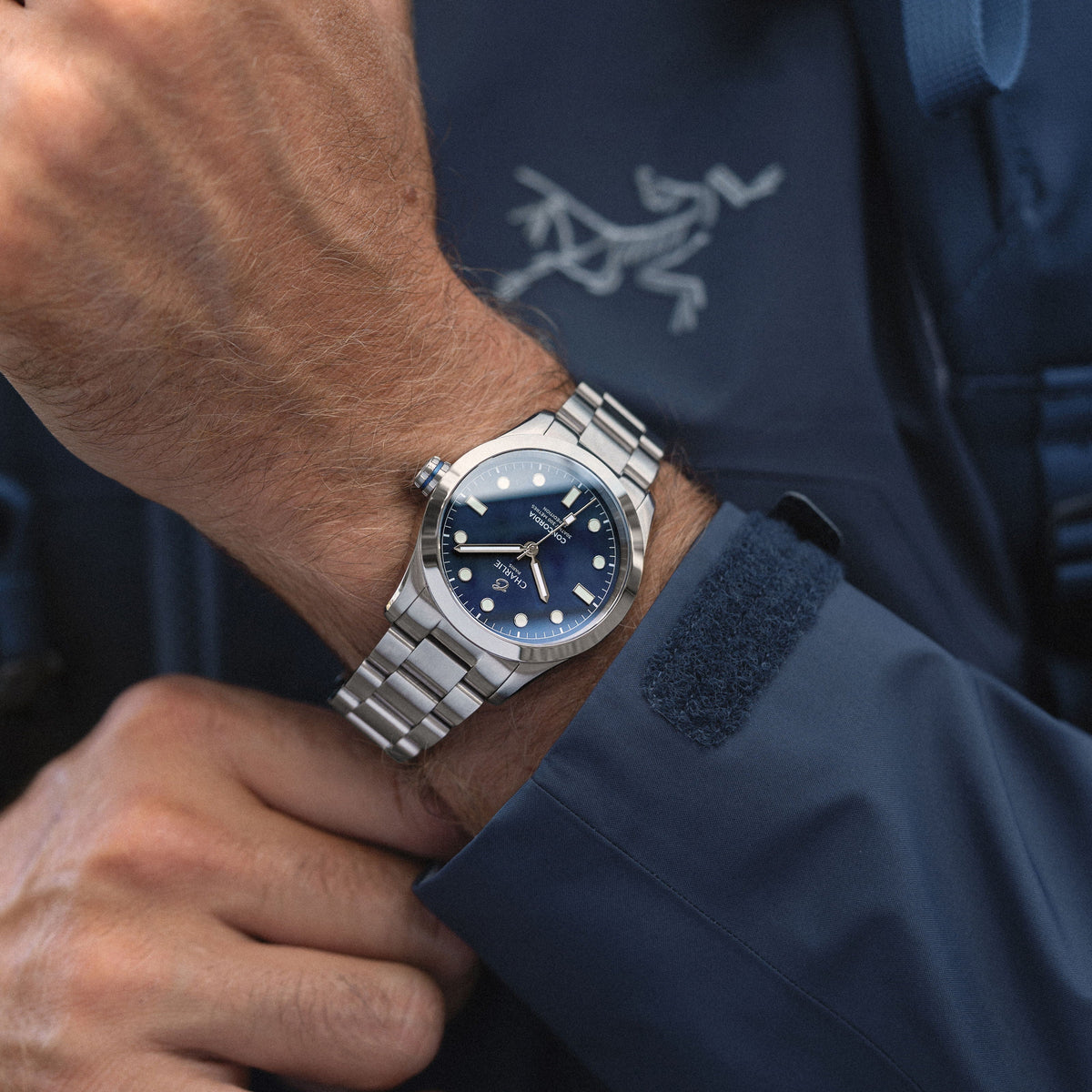
Concordia GMT : Perfect for travelers, this version is equipped with an automatic movement Seiko HN34, offering a dual time zone. With its unidirectional rotating bezel, screw-down crown and water resistance to 300 meters, it accompanies explorers from the depths to the summits.

-
Concordia Quartz : A more accessible alternative, this version retains the collection's DNA with its 300-meter water resistance and excellent legibility. Its quartz movement guarantees optimal precision and minimal maintenance, making it an ideal choice for everyday wear.

Whether it's for crossing time zones, braving the ocean, or simply enjoying a robust and timeless watch, the
Read more
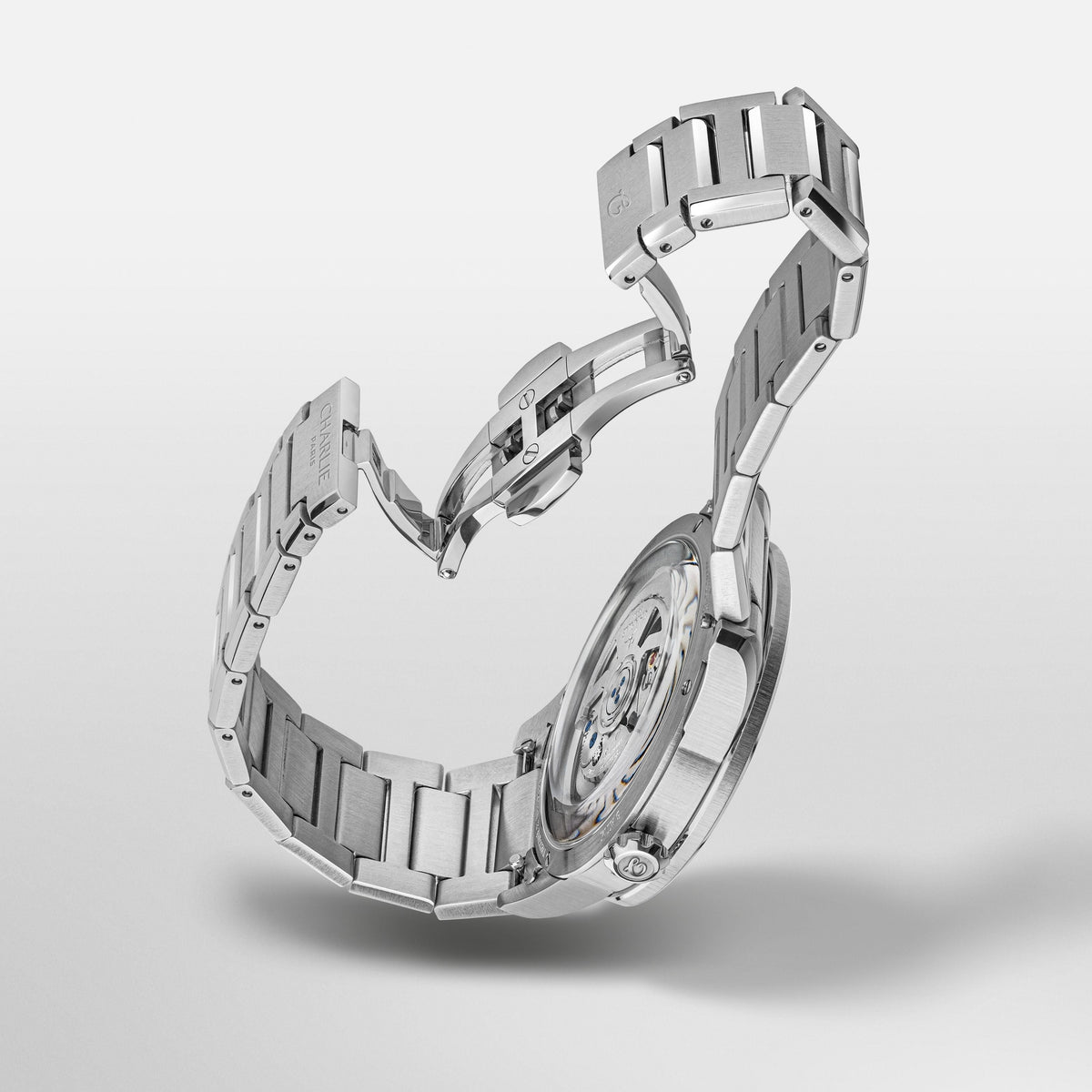
Your Strap Is the steel watch too big? No worries, it's still possible to fix the Strap to your size.
Today, Team Charlie presents the different watch mechanisms. Understanding the heart that powers your watch will allow you to better understand how it works.