




What is a watch factory ?
Among the various watch brands, some may present themselves as "manufacturers," which is a guarantee of expertise and prestige. However, the term "manufacturer" is often misused, so the Charlie Paris team sheds some light on this specific term in the watchmaking industry.
What criteria are needed to be considered a watchmaking manufacture?
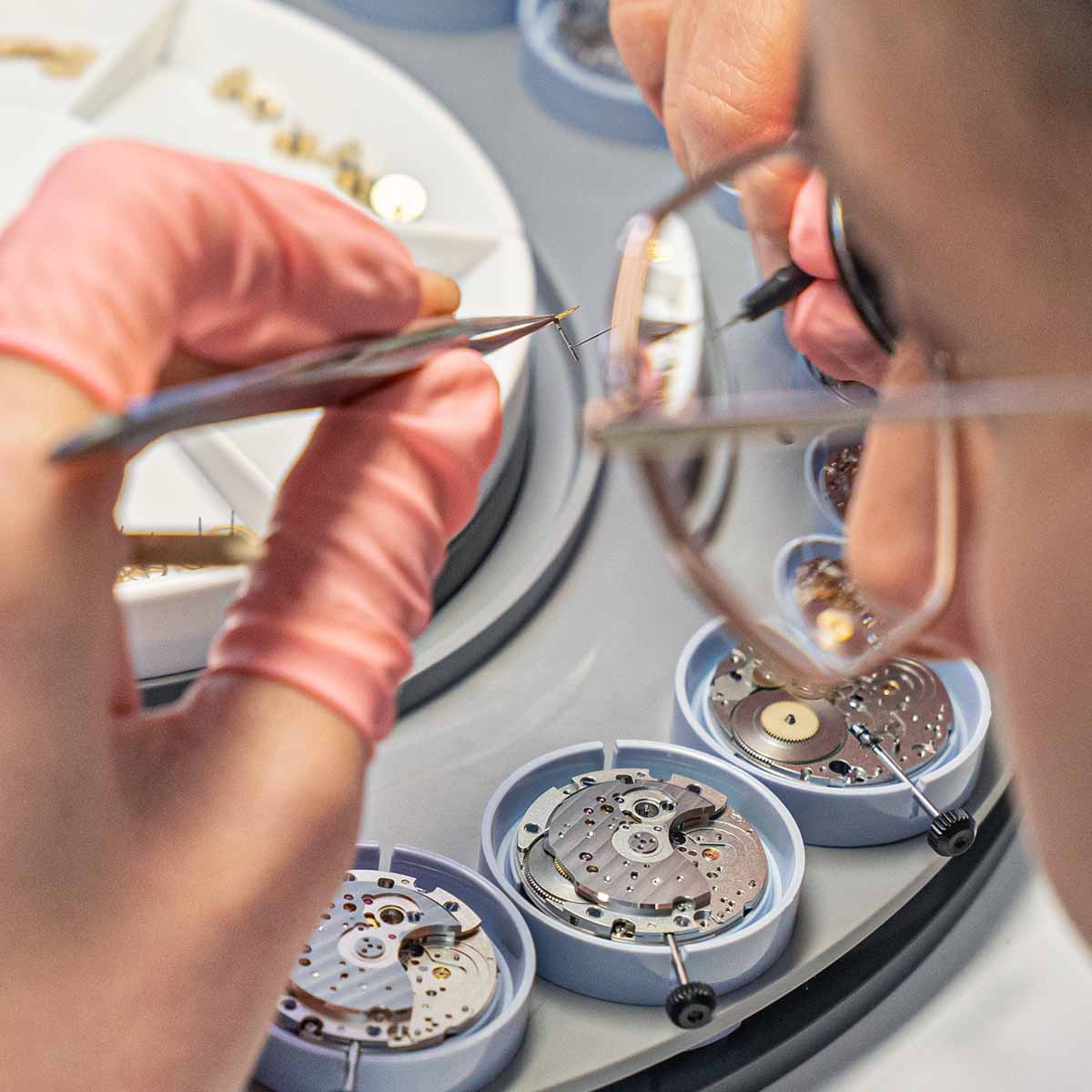
In the watchmaking industry, the term "manufacture" is frequently used but remains vague due to the lack of an official definition. However, a watch manufacture can be defined as a watchmaking company that produces and controls the entire manufacturing process of a watch or clock from start to finish, without outsourcing to an external company. This means that it must not use subcontractors or external suppliers for certain parts of its timepieces. A manufacture is therefore independent and differs from other watch brands that generally use other companies to integrate movements into their watch models. A manufacture must therefore have 100% control over its production chain. In theory, a manufacture must control the watchmaking process, from the design of the parts to the assembly, But in reality, few companies are able to internalize this entire process.

Producing all of one's products in-house is very complicated, and since true watchmaking manufactures are almost nonexistent, the term has become somewhat misused. In practice, the most common form of watchmaking manufacture is a company that designs and manufactures its own movements, though not necessarily all of them. It must also ensure the complete assembly of the watch in the
Furthermore, many brands possess in-house movements, but these movements are not actually created by the brands themselves. They are, in fact, orders placed with specialized companies to obtain a "manufactured movement" that they alone use. These companies may then add their signature to these movements, but they are not movements created in the brand's own workshops. The term "manufactured" is used in this case as a guarantee of the mechanism's exclusivity. In the long term, some major watch brands even go so far as to acquire the company that manufactures their movement, thereby absorbing their external suppliers and moving as close as possible to a true in-house manufacture. To illustrate this idea, one can draw a parallel with the automotive industry, comparing a watch to a car. A car engine is very rarely designed, machined, and manufactured in-house.
Why would anyone want to be a manufacturer at all costs?
The term "manufacturer" lends a brand a sense of prestige. In the eyes of customers, the fact that a watch comes from a manufacture guarantees that it is indeed a luxury timepiece. An "exclusive" watch whose movement cannot be found in watches from less high-end brands.This term allows a company to differentiate itself from non-manufactured goods and to influence its selling price upwards. This term, with its marketing and commercial implications, has led many companies to obtain this title and display it under their brand name.
This trend emerged primarily in the 2000s and prompted many brands to transform themselves from watch assemblers (as is the case for our brand) into prestigious manufacturers. To achieve this, most brands developed the design and production of their own movements. Most facilitated this research and development process. & Development and production are achieved by acquiring former suppliers and subcontractors. This is the case, for example, with Breitling, Rolex, Breguet, Omega, etc. A few watch brands start from scratch. Other companies use a subcontractor to manufacture a movement exclusively for their brand, which then markets it as an in-house movement.
Famous watch manufacturers
Strictly speaking, only Seiko in Japan, with its fully integrated model, and the Swatch Group as a whole, which produces all the components in its watches, can be considered complete manufacturers. Rolex, which still sources some specific parts from other suppliers, is not far behind. Finally, using a broader definition, there are many more manufacturers, such as Cartier, Breguet, Frédéric Constant, Chopard, Omega, Maurice Lacroix, Patek Philippe, Pequignet, Piaget, Vacheron Constantin, Zenith, and others.
The Charlie Paris team has decided to introduce you to one of them: the Cartier watchmaking manufacture. Cartier is one of the world's leading watch manufacturers. Located in Switzerland, since 2003 it has brought together all the watchmaking crafts necessary to create Cartier watches, in a creative process that begins with the design of the movement and culminates in the finished product. The Cartier manufacture has been based in La Chaux-de-Fonds since 1972 and is situated in the heart of a region with a long watchmaking tradition. La Chaux-de-Fonds is a Swiss city that has been a UNESCO World Heritage Site since 2009 for its watchmaking urbanism. Previously manufactured in France with Swiss movements, Cartier watches moved to La Chaux-de-Fonds to meet the Maison's new ambitions. The Cartier manufacture was completed in 2001 and boasts a total area of over 33,000 m², of which 13,000 m² are dedicated to production. It consolidates the seven production sites previously scattered throughout the region. All watchmaking expertise is represented there, encompassing 175 different trades, organized into three main areas: development, production, and customer service. Everything is brought together in one location, allowing for all the necessary steps in the complete creation of their watches.
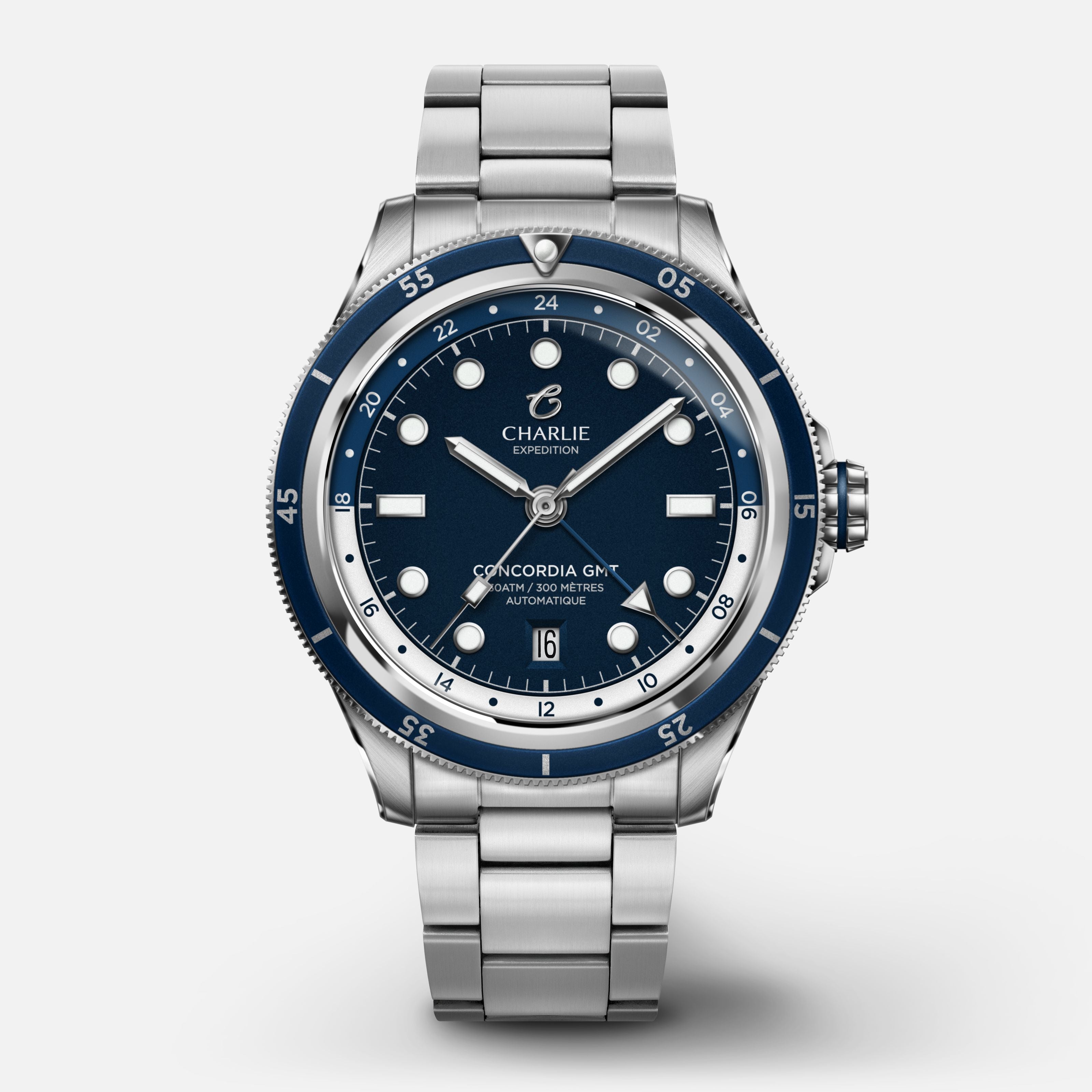
Read more
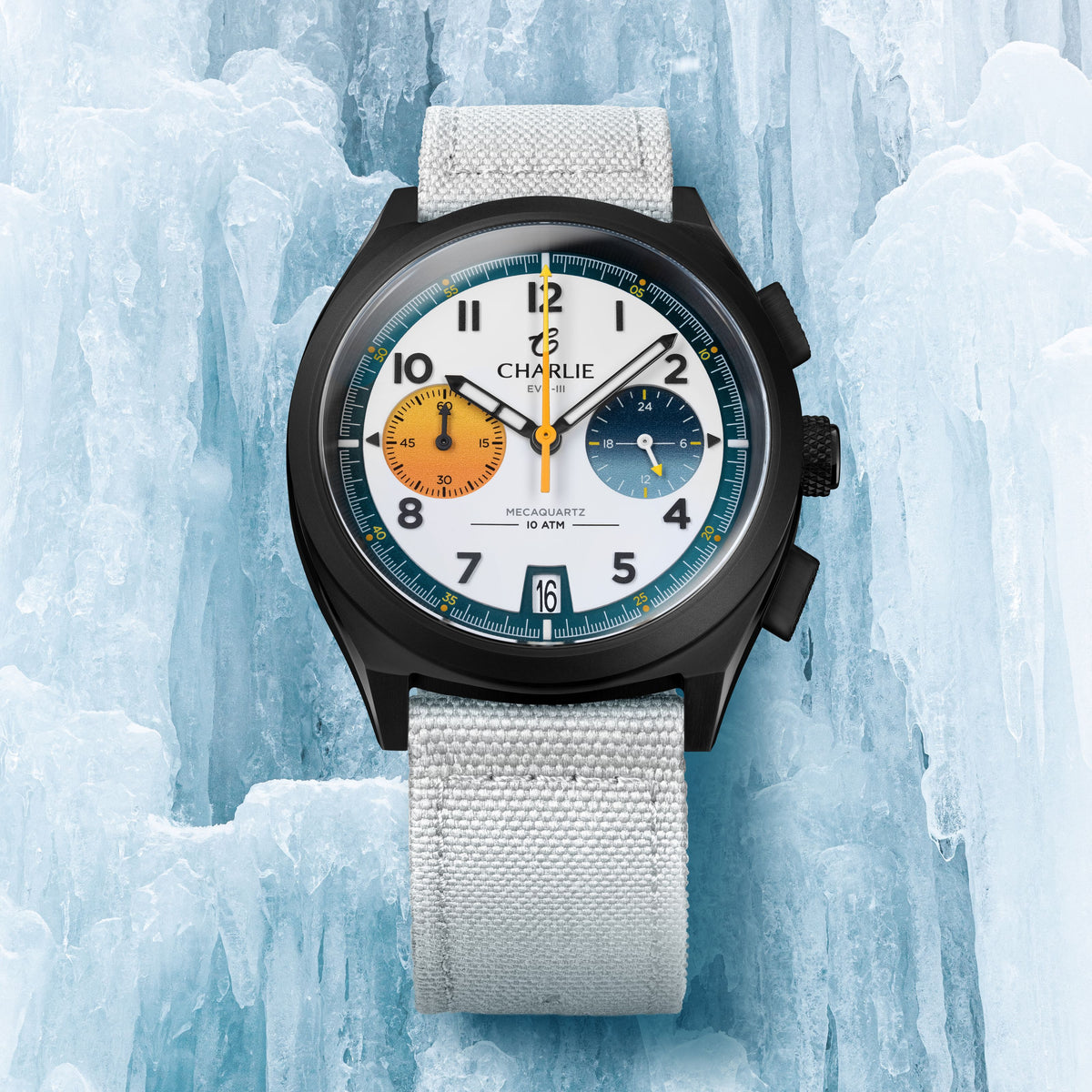
Because a watch is never alone, we've gathered your most beautiful photos of Charlie Paris watches here. Thank you for these inspiring looks.
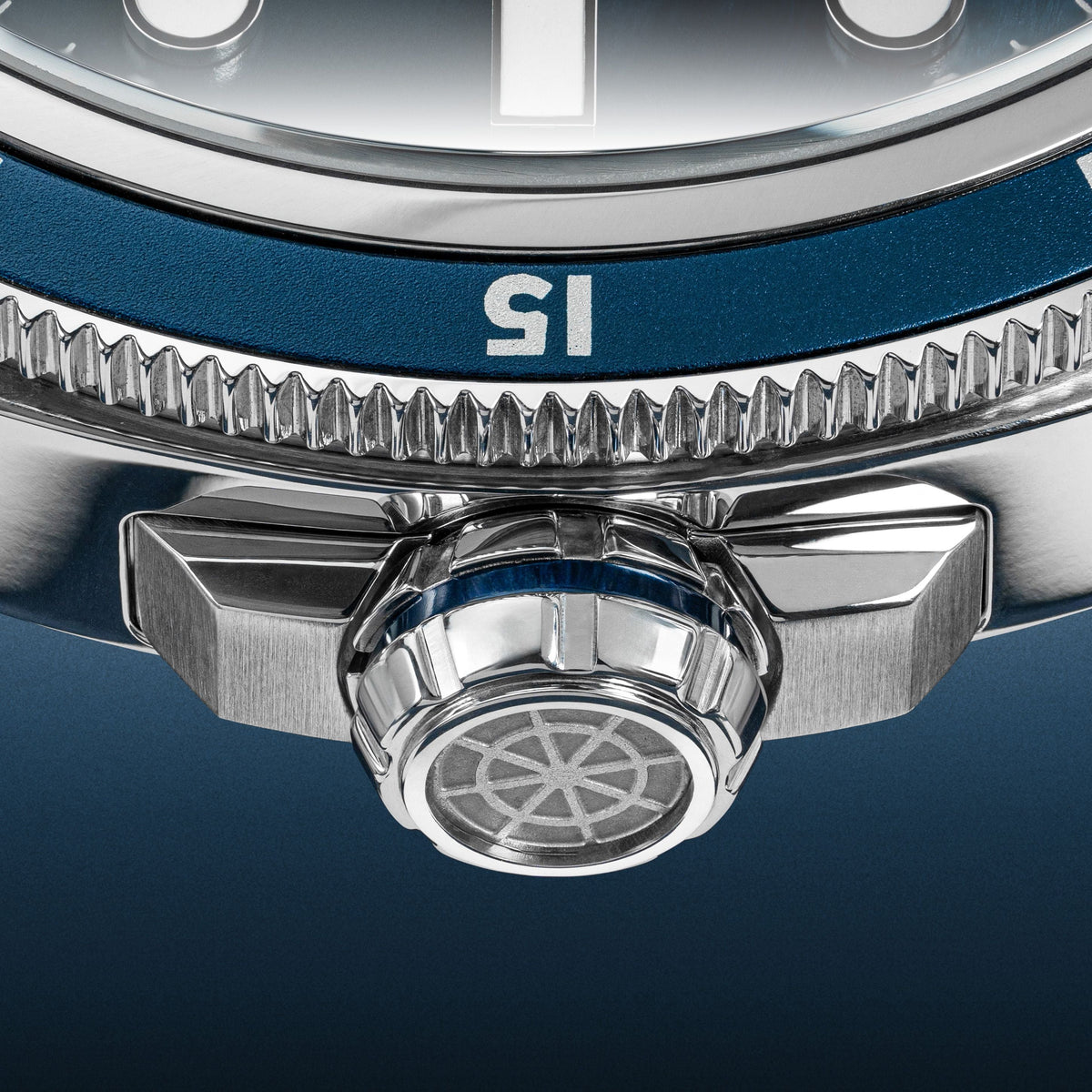
Discover the importance of the screw-down crown in watchmaking. Essential for the water resistance and robustness of watches, it protects the movement against water and dust infiltration. Featured ...