






Watch that has taken on water: what to do urgently ?
Has condensation appeared under the glass of your watch? Did your timepiece fall into water, or did you forget to screw the crown back on before swimming? Don't panic, but act quickly. The presence of moisture inside a

Here are the emergency actions to take immediately to save your timepiece and the mistakes to absolutely avoid.
Emergency reflexes: what to do if water has gotten into your watch?
As soon as you notice condensation or droplets under the glass, every hour counts. Water (especially if it is salty or chlorinated) accelerates the oxidation of steel and risks rusting the movement, dial, and hands.
1. Pull the crown out immediately
Pull out the crown (the small wheel used to set the time) to stop the mechanism. For an automatic or mechanical watch, this stops the oscillating weight and reduces the risk of damaging seized gears. For a quartz watch, this also saves battery power.
2. Place the watch in a dry place, glass facing down
Lay your watch flat on a soft cloth or absorbent paper, with the crystal facing down. This position allows any residual moisture to evaporate from the crystal rather than seeping into the heart of the watch movement.
3. Take your watch to a watchmaker as soon as possible.
Grandma's tricks (like immersing the watch in a bowl of rice) are not enough to dry the inside of a
The Charlie Paris service: you can entrust your watch directly to our Parisian workshop. Our watchmakers will diagnose and dry your timepiece to restore its full accuracy.

What you should ABSOLUTELY NOT do
- Do not heat your watch in a hairdryer or on a radiator: excessive heat may deform the seals and solidify the engine's lubricating oils.
- Don't wait several days: rust can set in on steel components in less than 48 hours. The longer you wait, the more expensive the repair will be (complete movement replacement).
- Do not operate the push buttons: if you own a chronograph watch, do not touch any push buttons when there is residual water.
5 tips to prevent water leaks in your watch
Prevention is better than cure. To keep your watch water-resistant every day, follow these simple principles:
-
Check the crown before any swimming: make sure it is pushed firmly against the
Case If it is a dive watch with a screw-down crown, make sure that it is screwed perfectly into place.
-
Avoid thermal shock: Going directly from prolonged sunbathing to very cold water causes the metal to contract and creates pressure on the seals, risking breaking the seal.
-
Never use the push buttons underwater: Except for rare technical exceptions, pressing a chronograph pusher while submerged creates a direct entry point for water.
-
Have your watch checked after an impact: A fall can cause micro-cracks in the glass or deform the
Case without it being immediately visible to the naked eye.
-
Maintain the joints regularly: The rubber seals dry out over time due to salt and chlorine exposure. Have your watch's water resistance tested every 2 to 3 years, especially when changing the battery.

Understanding your watch's water resistance (ATM)
Not sure if your watch is suitable for swimming? The "ATM" marking or the meters engraved on the back of the
-
3 ATM/30 meters: Resistant only to light splashes (rain, hand washing).
-
5 ATM/50 meters: suitable for showering or calm surface immersion.
-
10 ATM/100 meters and more: Ready for swimming and water sports.
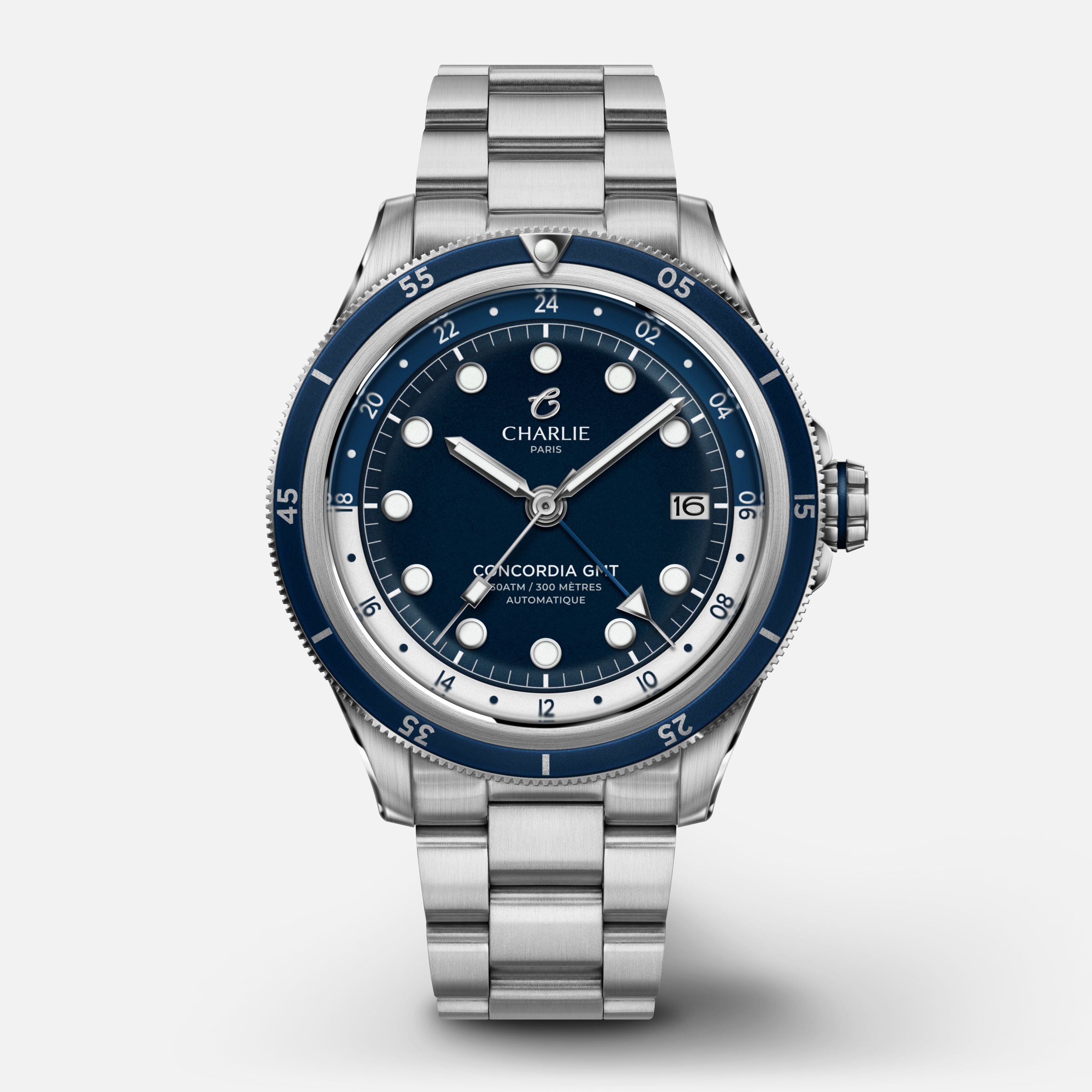
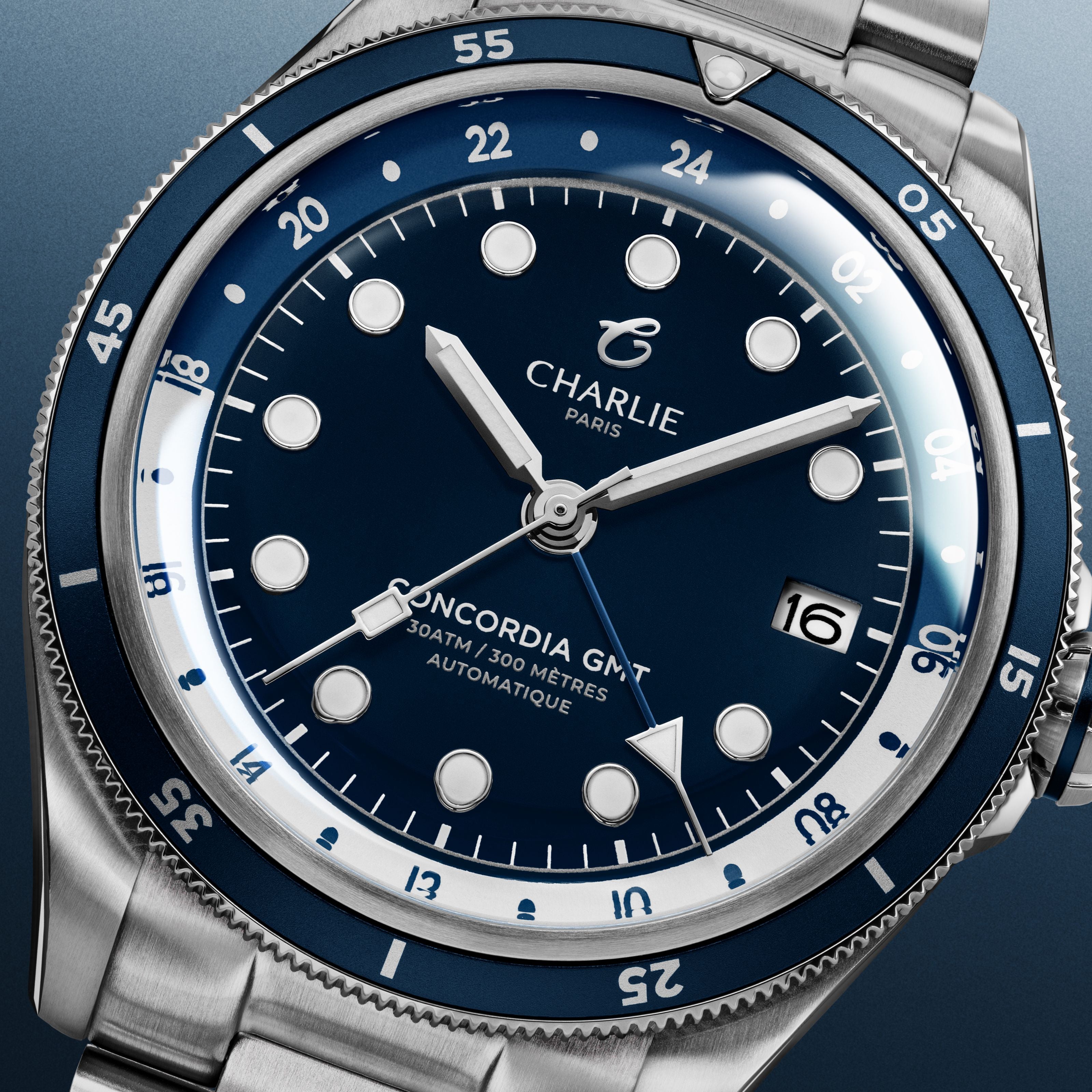
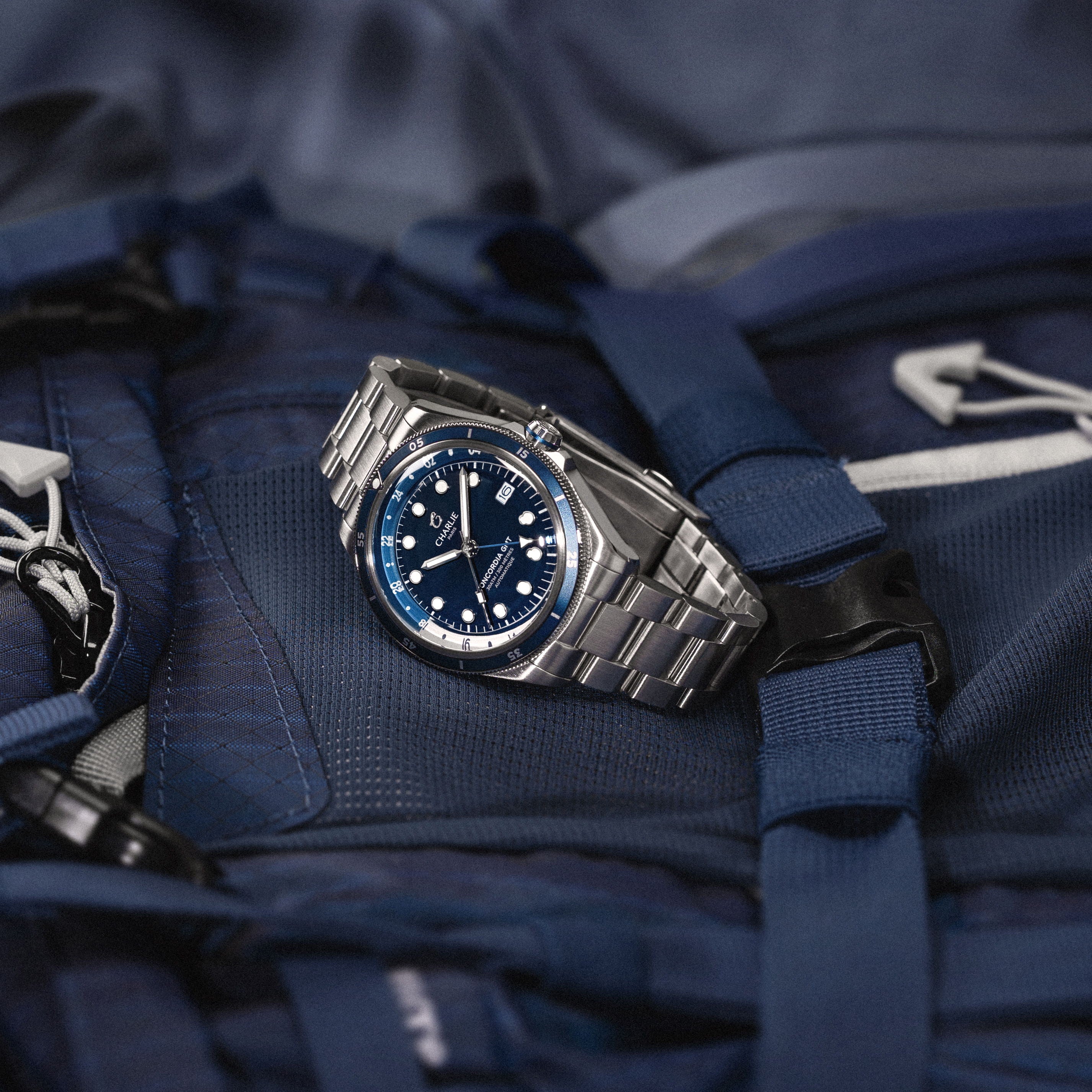
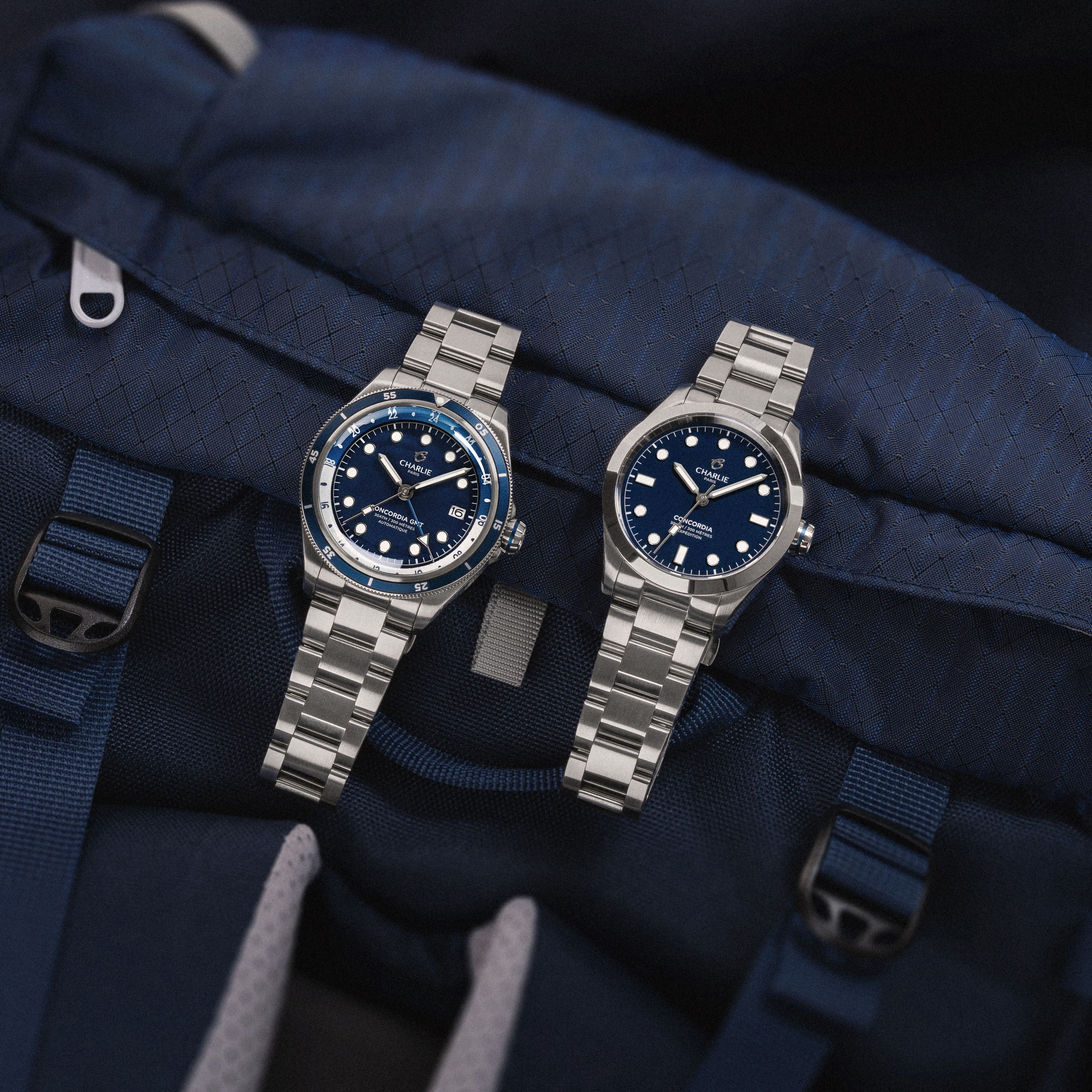
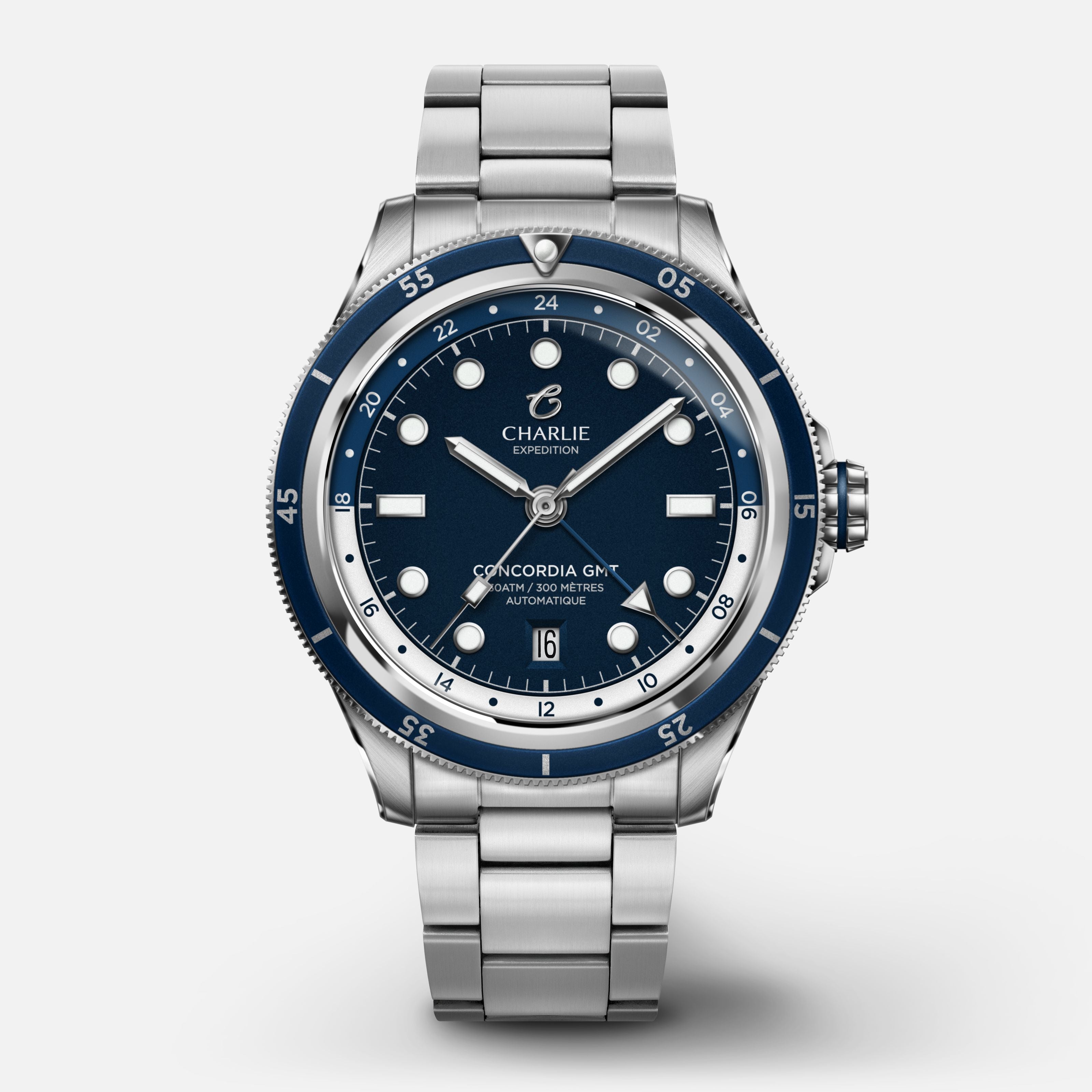
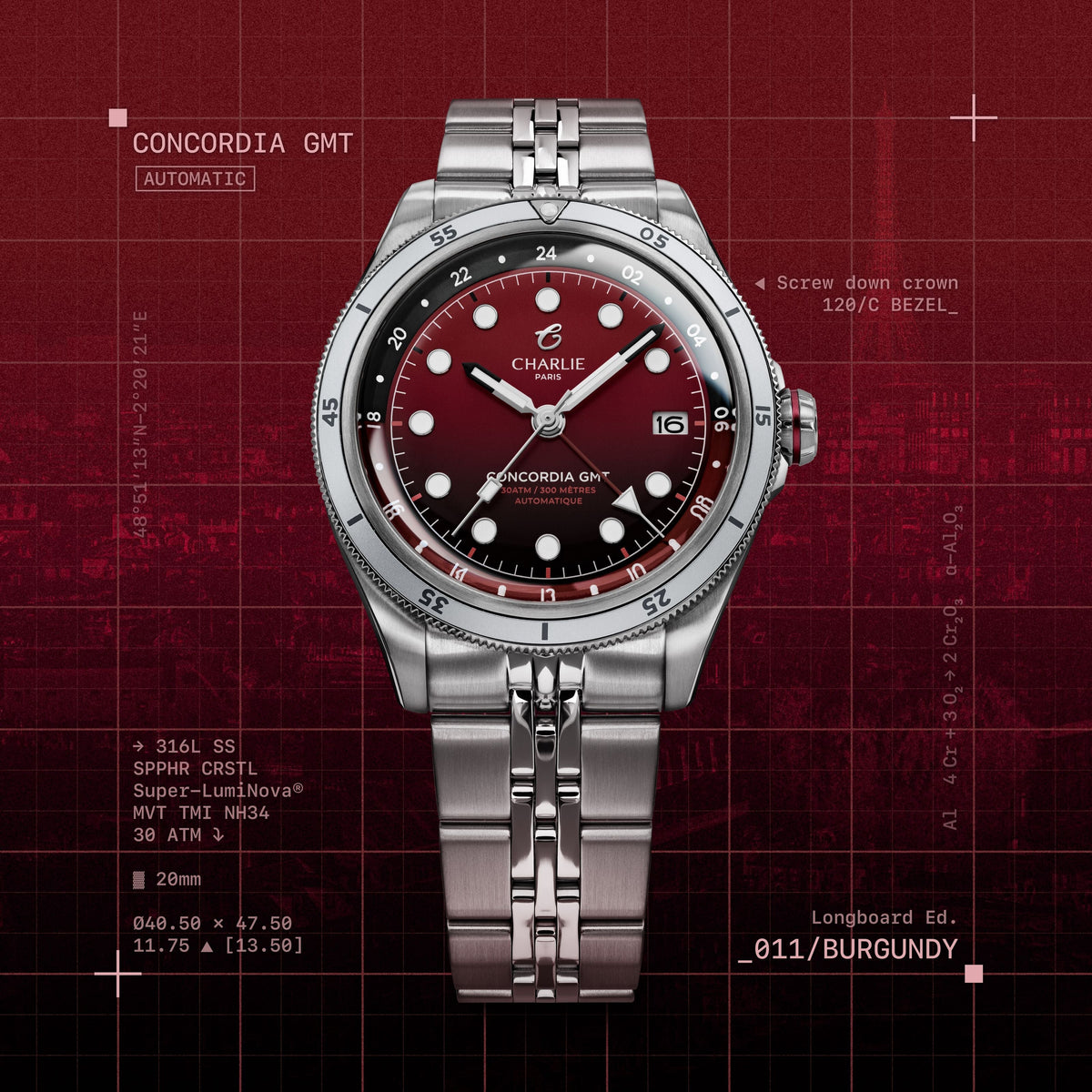
- 30 ATM/300 meters: tailored for professional scuba diving and extreme pressures.
To learn everything about the sealing graduations To choose the model that suits your activities, check out our video guide dedicated to watch water resistance.
Read more

In watchmaking, watches are often associated with pure metal and the rigor of their mechanisms. However, watch design is first and foremost a matter of sensations, colors, and textures.Through our ...
Discover how to set the time, date and GMT on your watch with GMT complication.