












#2 Watch quiz: Will you be able to recognize watch complications ?
In the vast world of watchmaking, some watches They do not simply tell the time. They tell the story of time through... complications : These additional functions, sometimes invisible at first glance, testify to exceptional watchmaking expertise. Charlie Paris invites you to test your knowledge of these precision mechanisms that captivate enthusiasts.
 Ready to take on the challenge? Here's the second installment of our series:
Answers at the end of the quiz.
8 questions to unlock the secrets of horological complications. Get ready to delve into the mechanisms!
1. What is meant by a "complication" in watchmaking?
A. A malfunction
B. An additional function beyond displaying the time
C. A watch that is difficult to set
2. Which complication allows you to time a time interval?
A. The stopwatch
B. The power reserve
C. The chronograph
3. Which complication indicates the number of days a watch can run without being worn?
A. The power reserve indicator
B. The date
C. The GMT
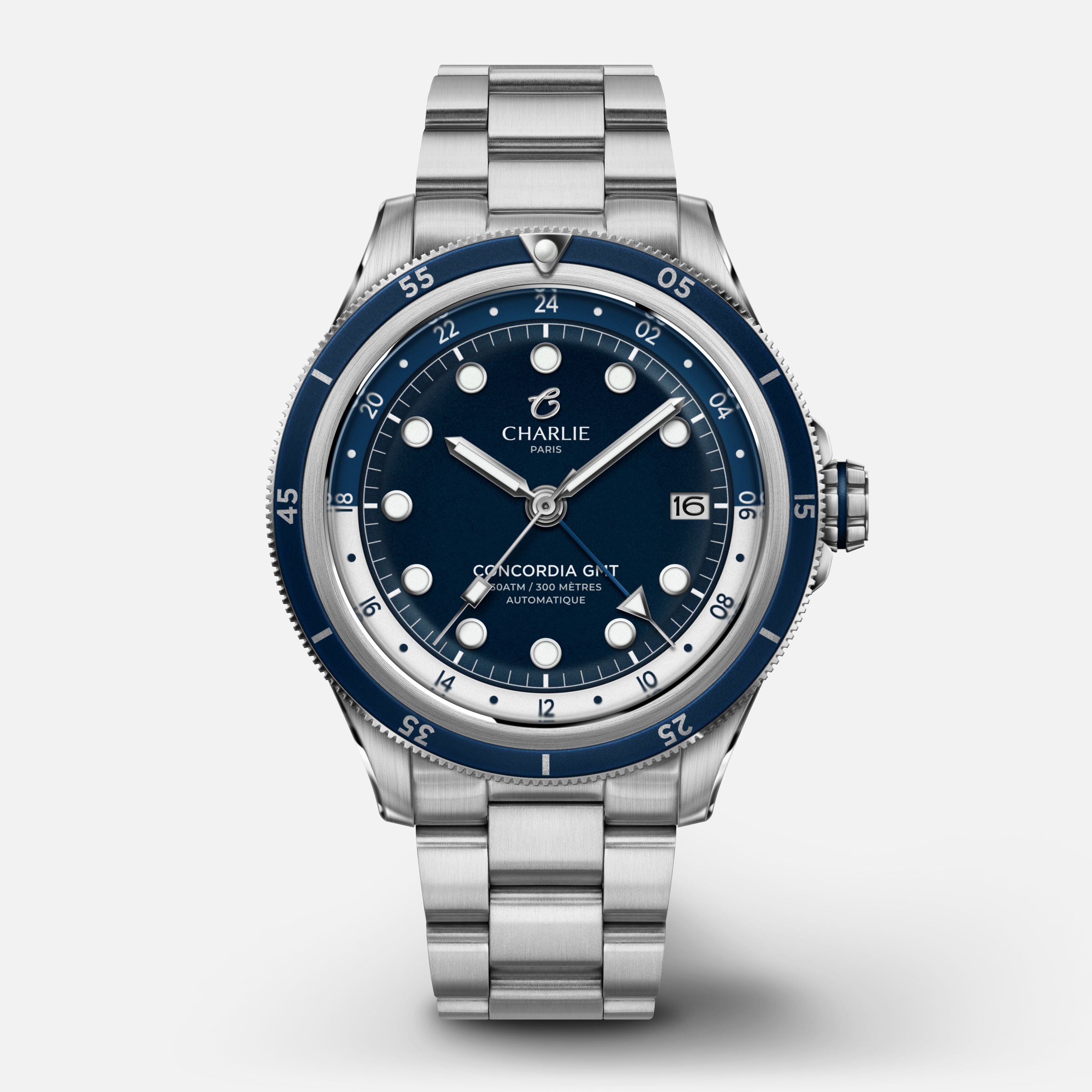
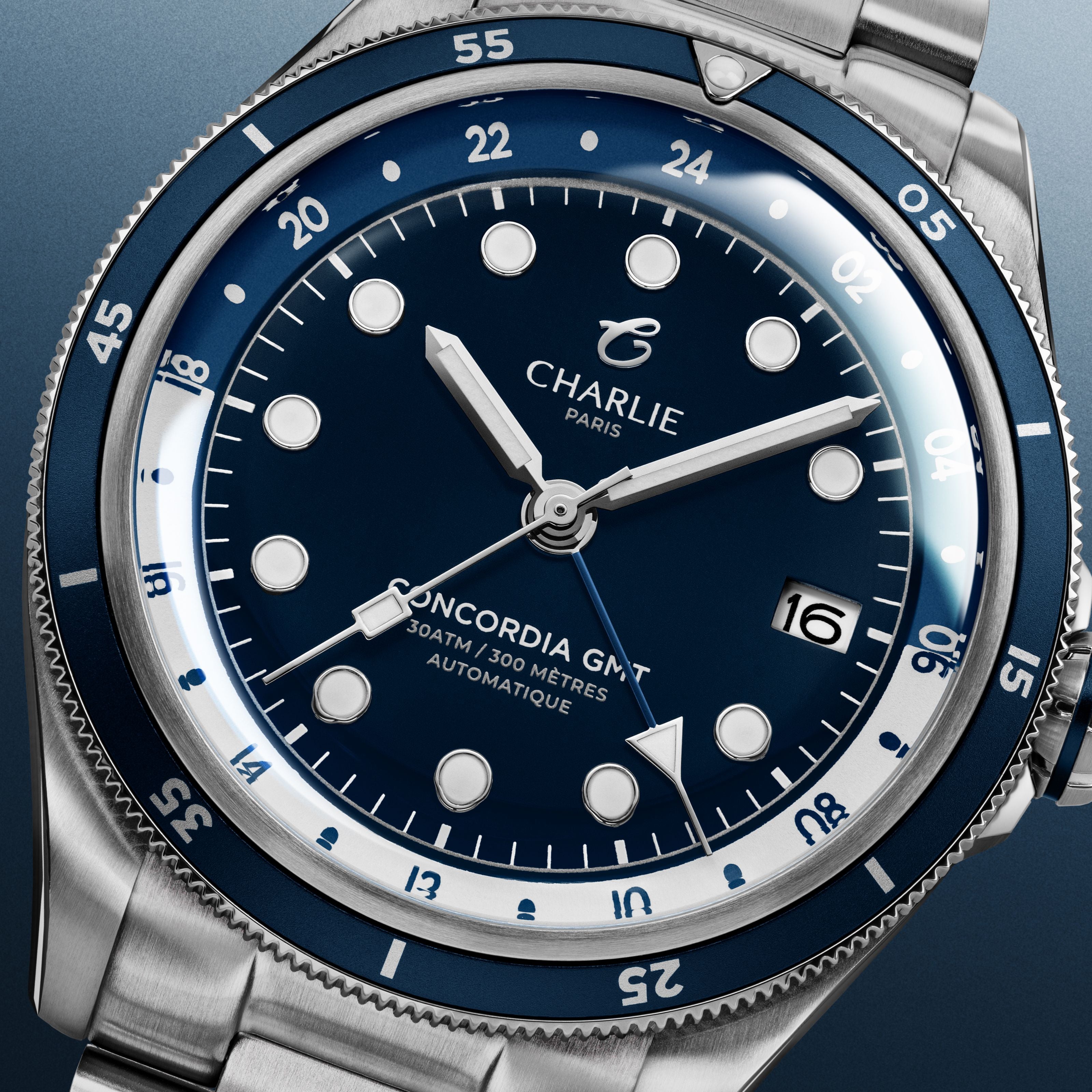
4. A GMT watch allows you to:
A. To synchronize the watch with the lunar calendar
B. To display a second time zone
C. To automatically correct for advance or delay
5. What is the specific characteristic of a perpetual calendar?
A. It displays the date and corrects it automatically, including leap years.
B. It only shows the days of the week
C. It must be adjusted manually each month.
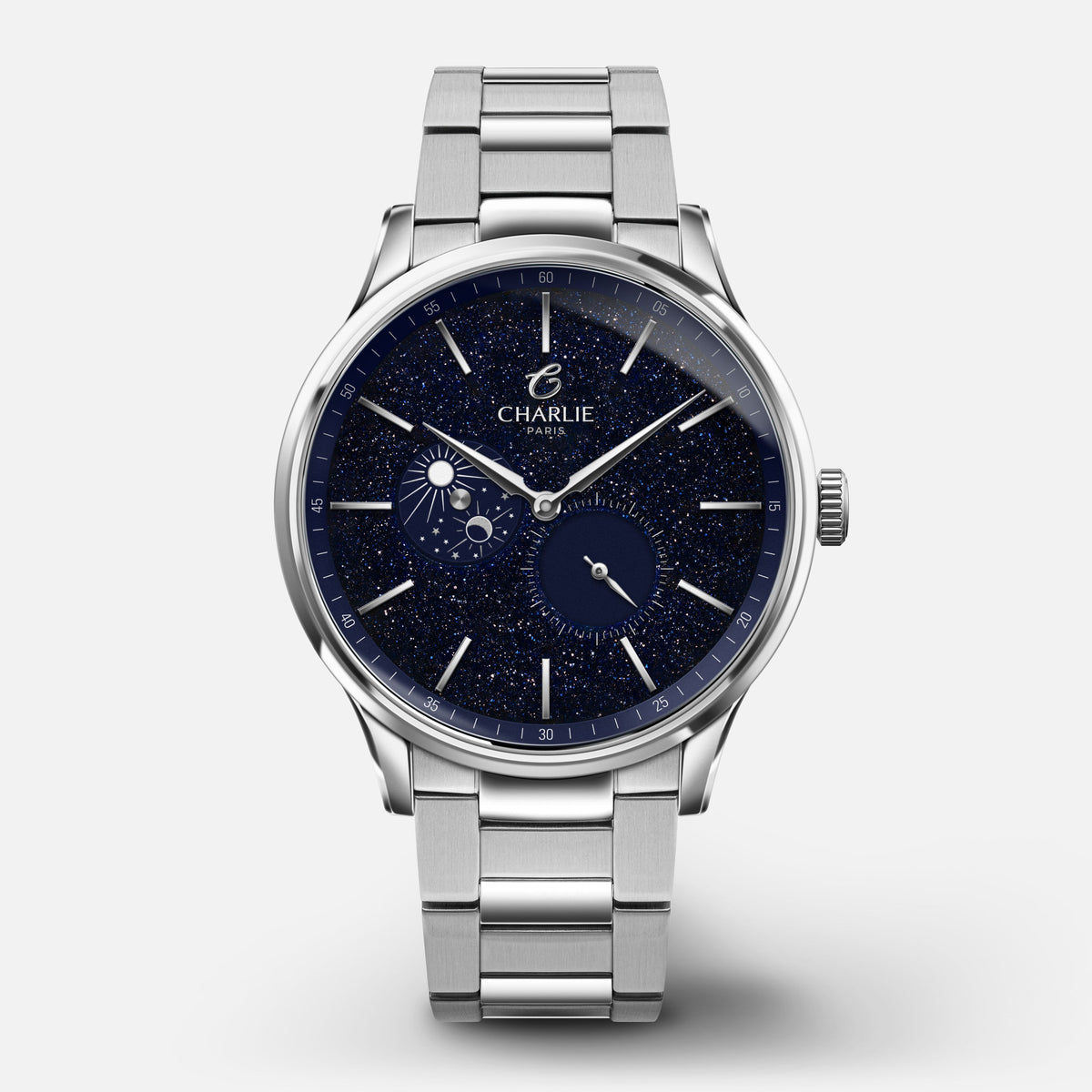
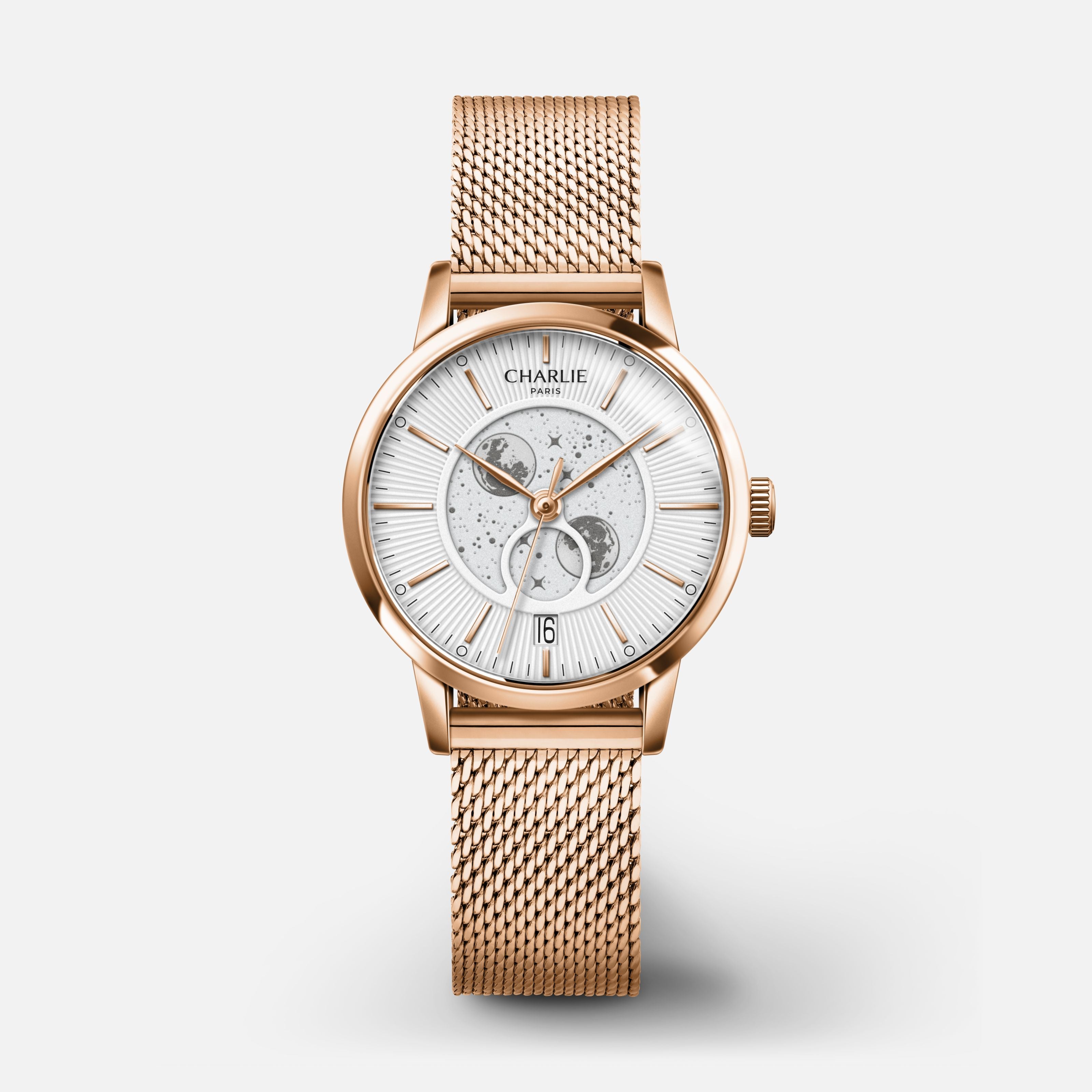
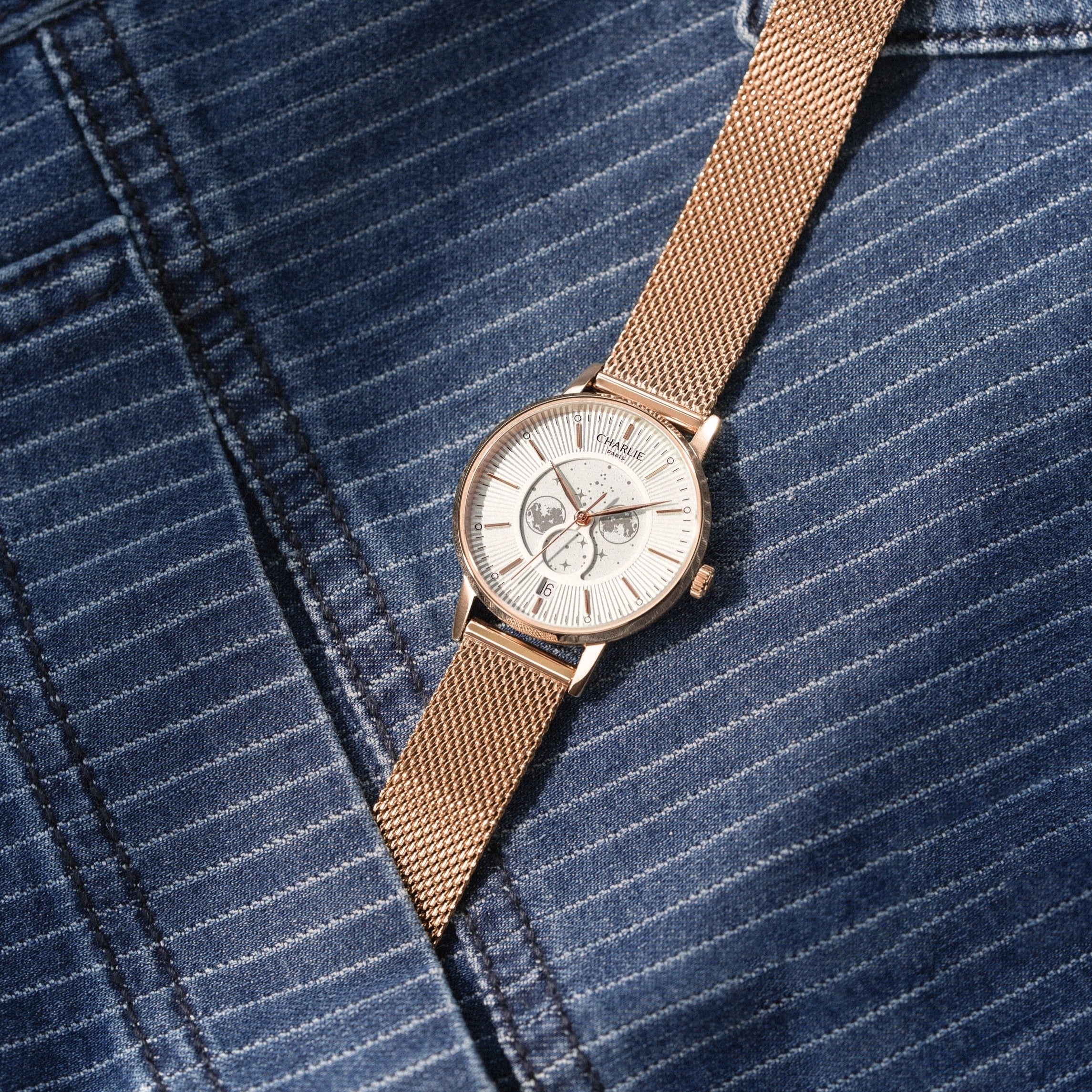
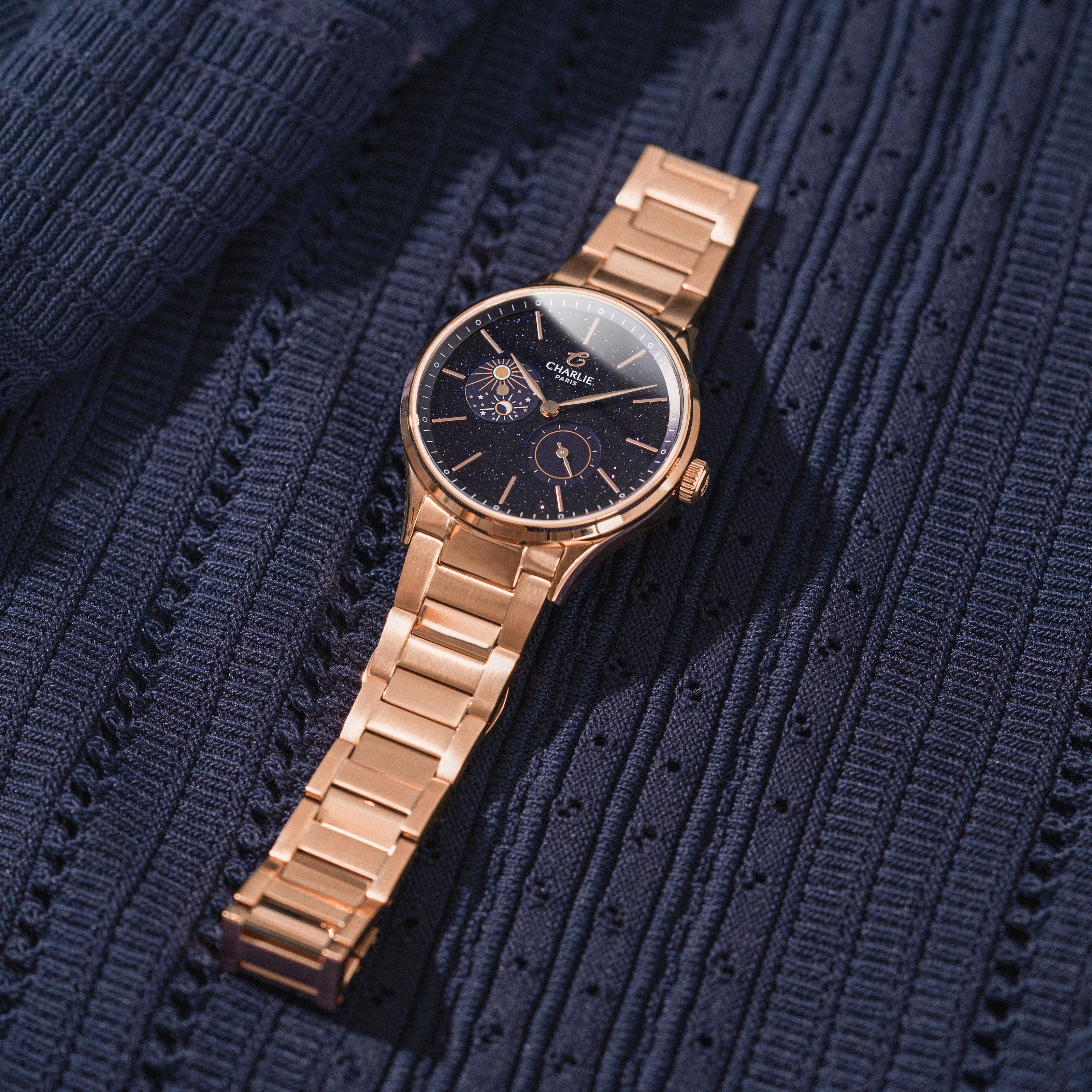
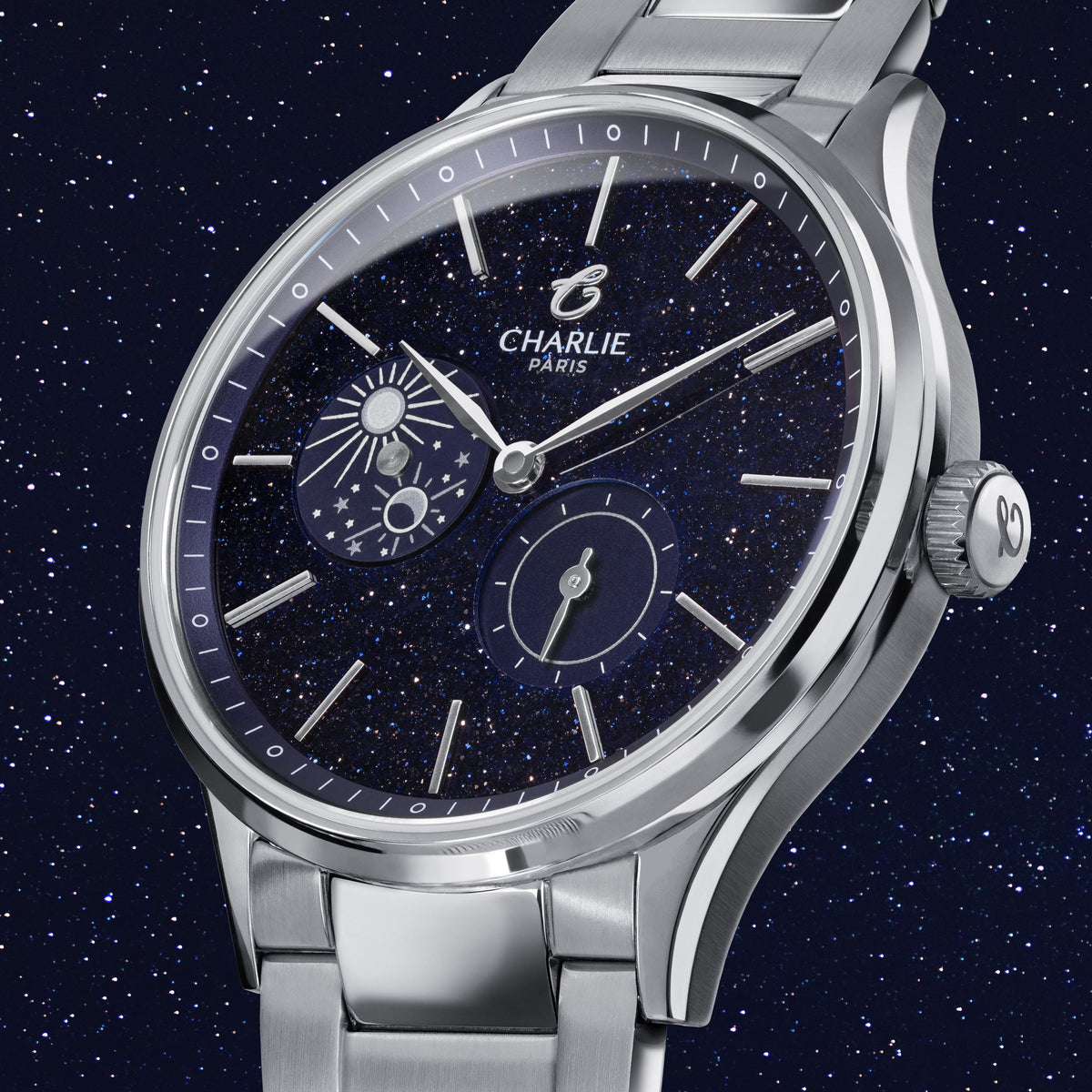
6. What complication can be observed in a watch with
A. The evolution of the tides
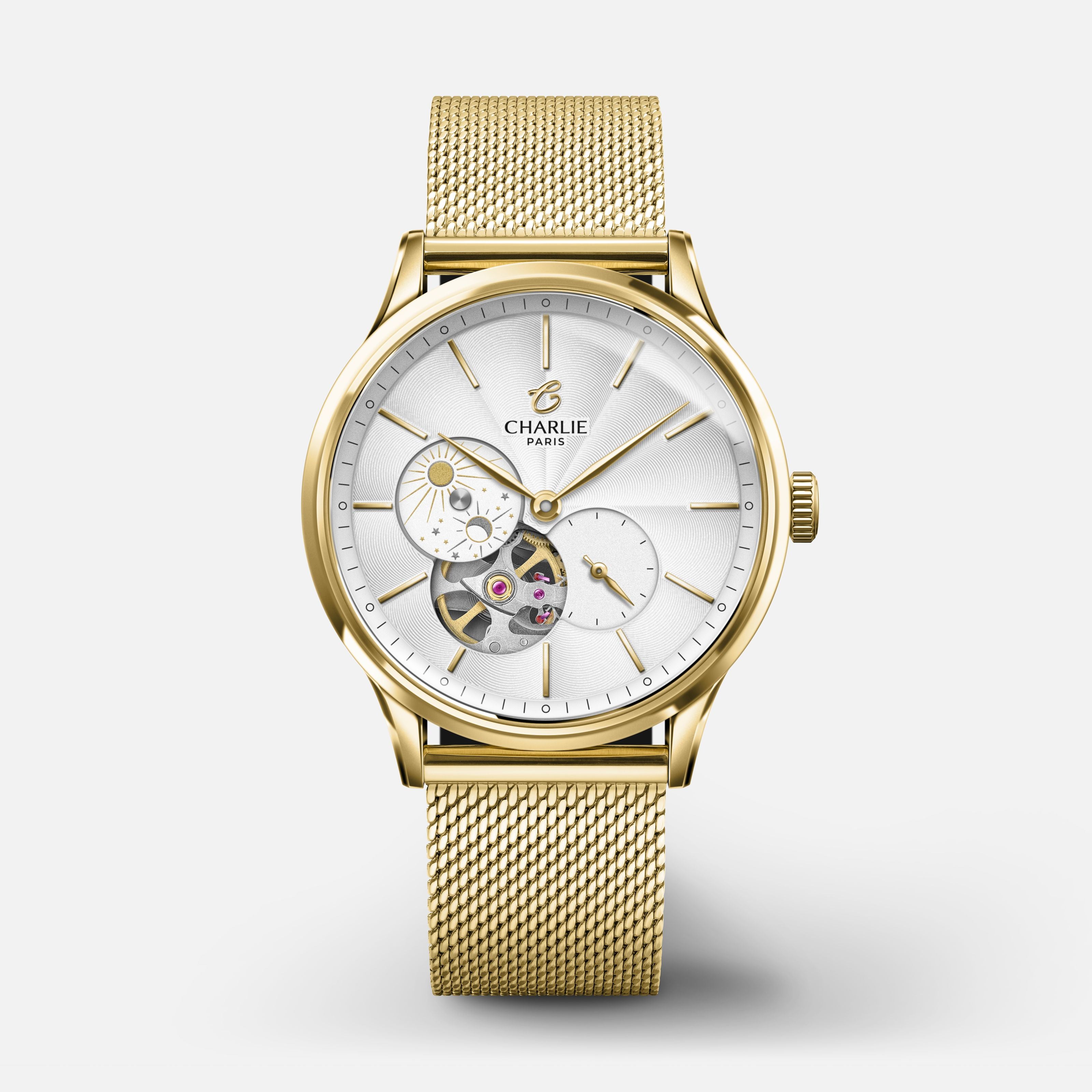
B. Lunar cycles in the sky
C. The exact orbit of the Moon around the Earth
7. What complication is designed to compensate for the effects of gravity on the movement of a watch?
A. The whirlpool
B. The tachometer
C. The barometer
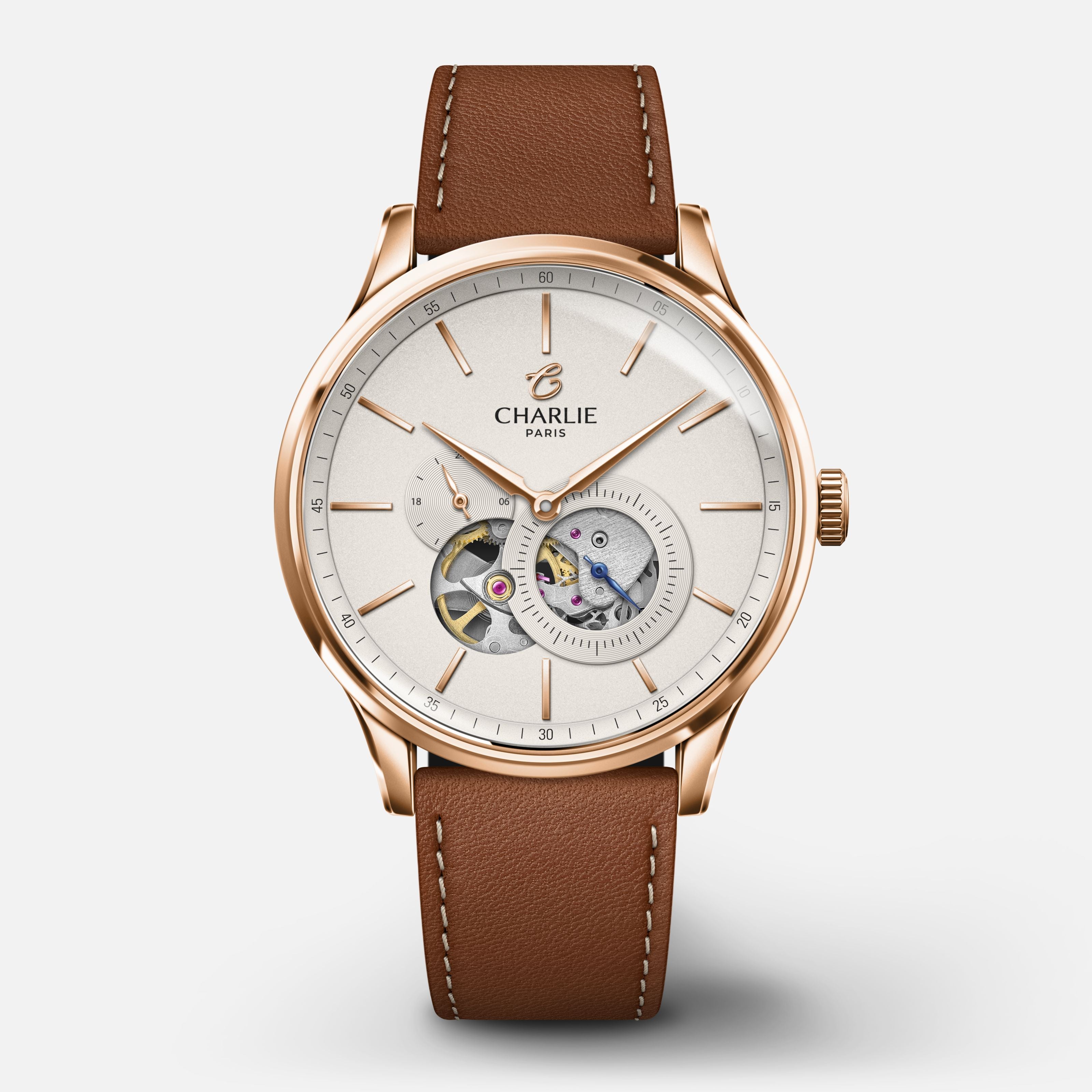
8. In what position is the
A. At 3 a.m.
B. At 9 a.m.
C. At 12pm

Answers & explanations
1. B/A complication refers to any function in addition to the simple display of the time.
2. C/The chronograph allows you to measure elapsed time, thanks to an independent on/off mechanism.
3. A/The indicator of power reserve provides information on the remaining battery life of a mechanical watch.
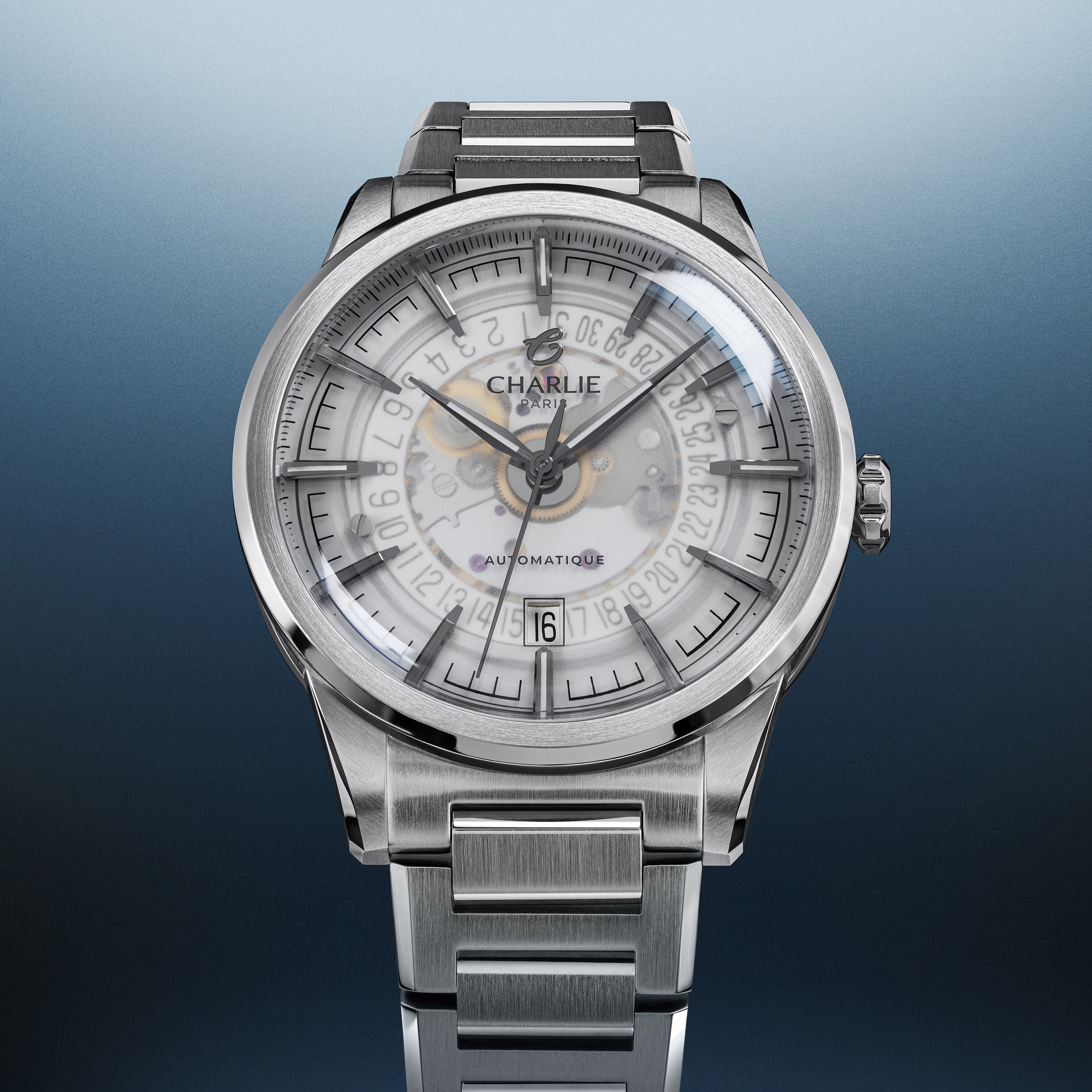
4. B/The GMT (Greenwich Mean Time) allows you to display two time zones simultaneously.
5. A/The perpetual calendar takes into account the lengths of months and leap years, without the need for adjustment.
6. B/The complication
7. A/The tourbillon, invented by Breguet, is a rotating mechanism that compensates for deviations due to gravity.
8. B/The
The world of complications: between art and engineering
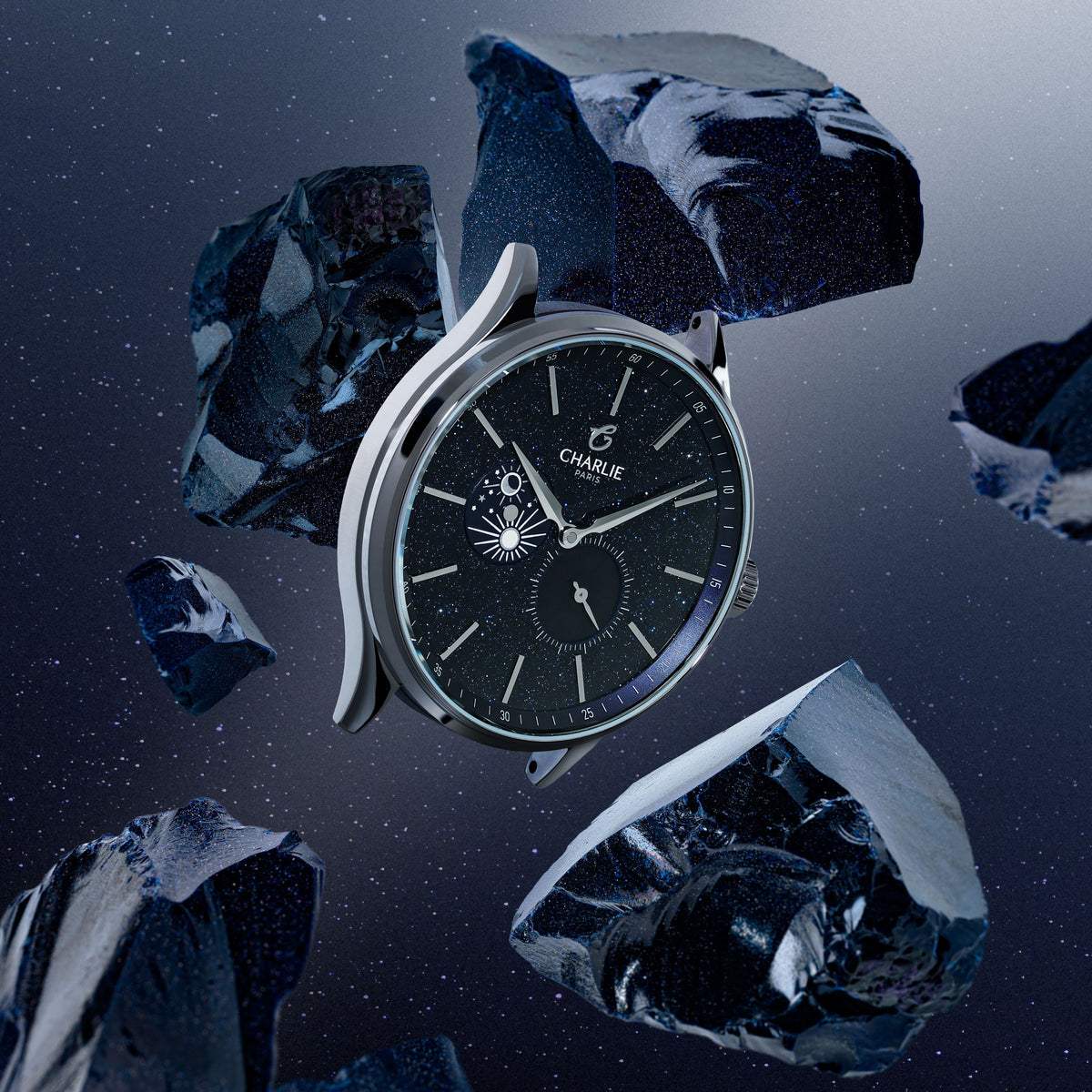
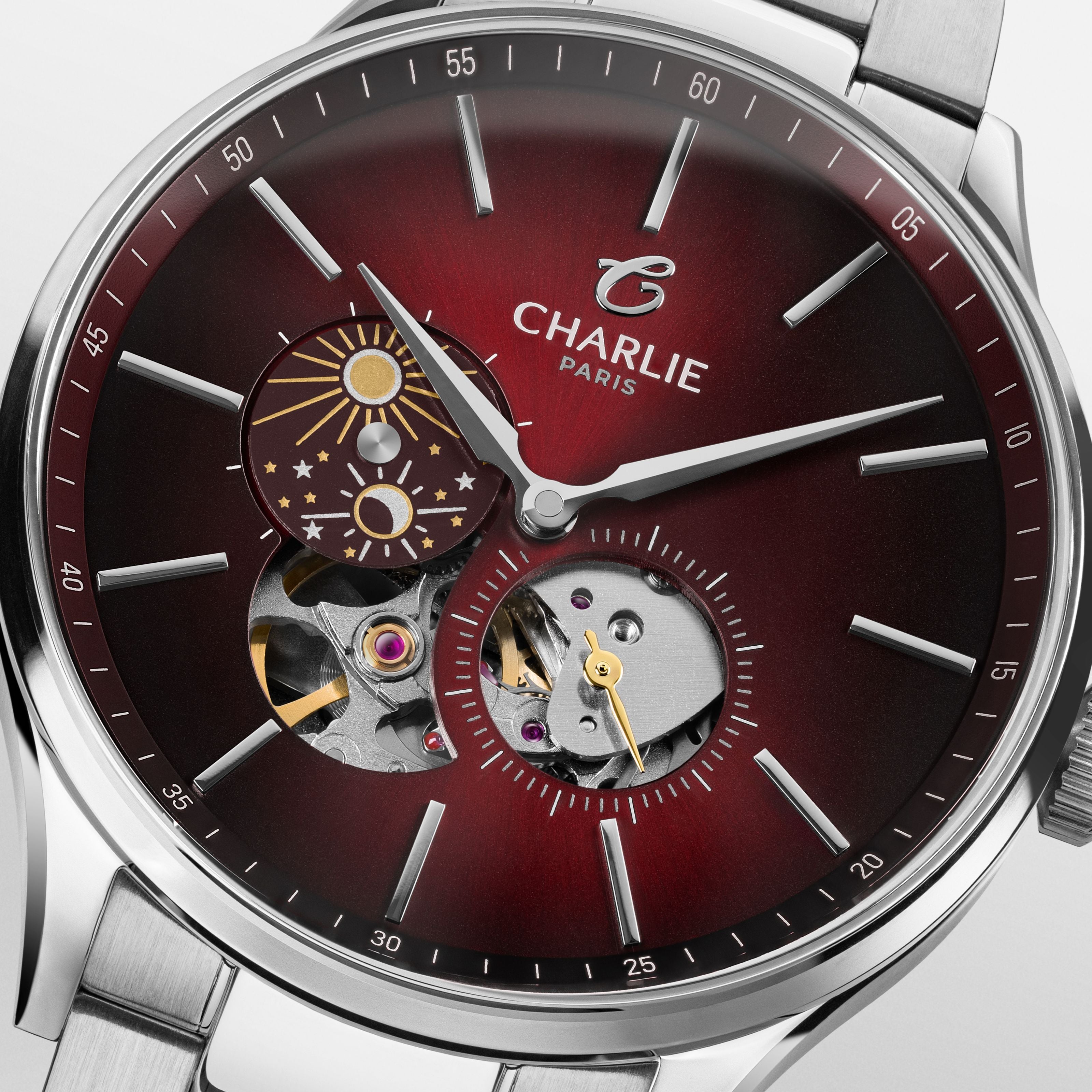
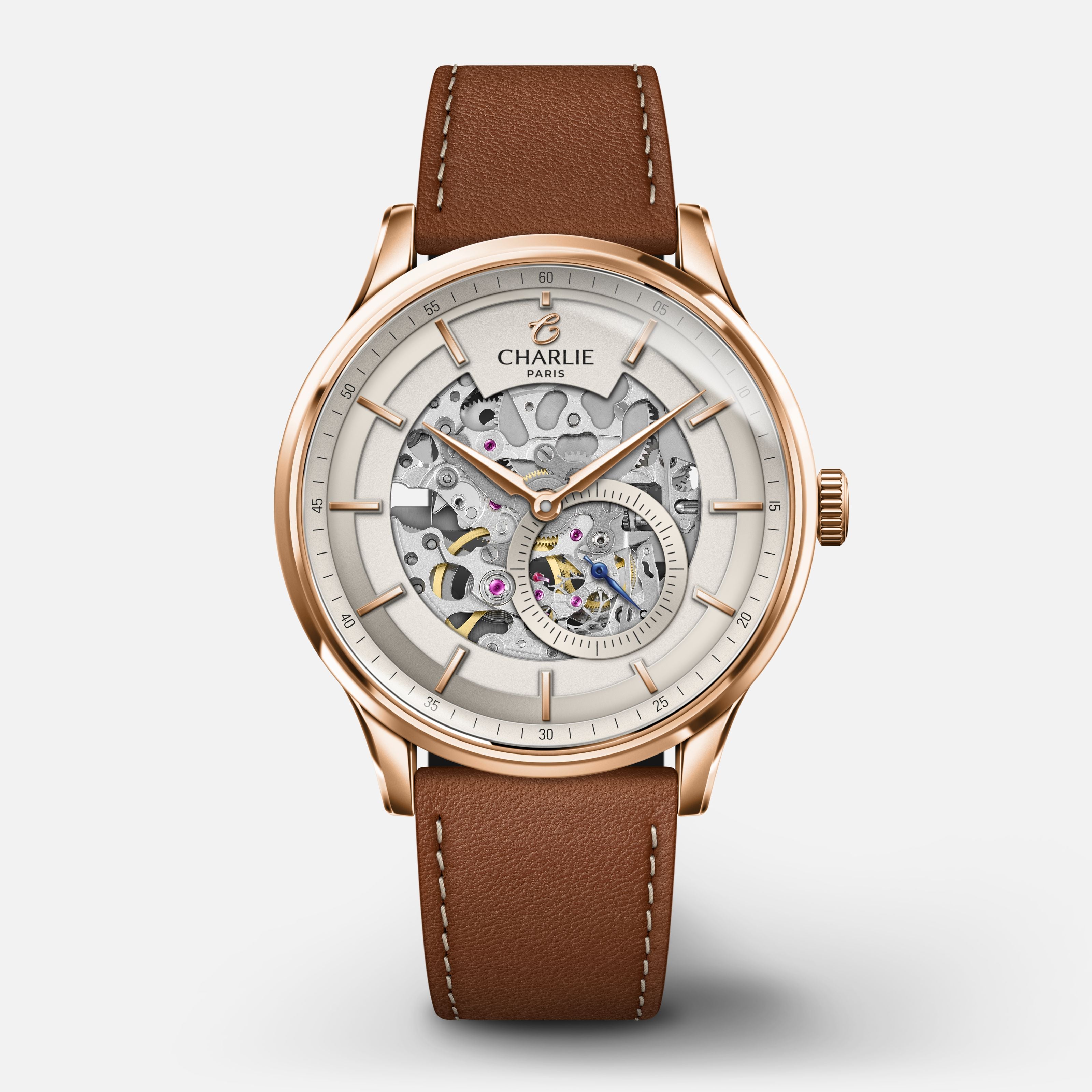
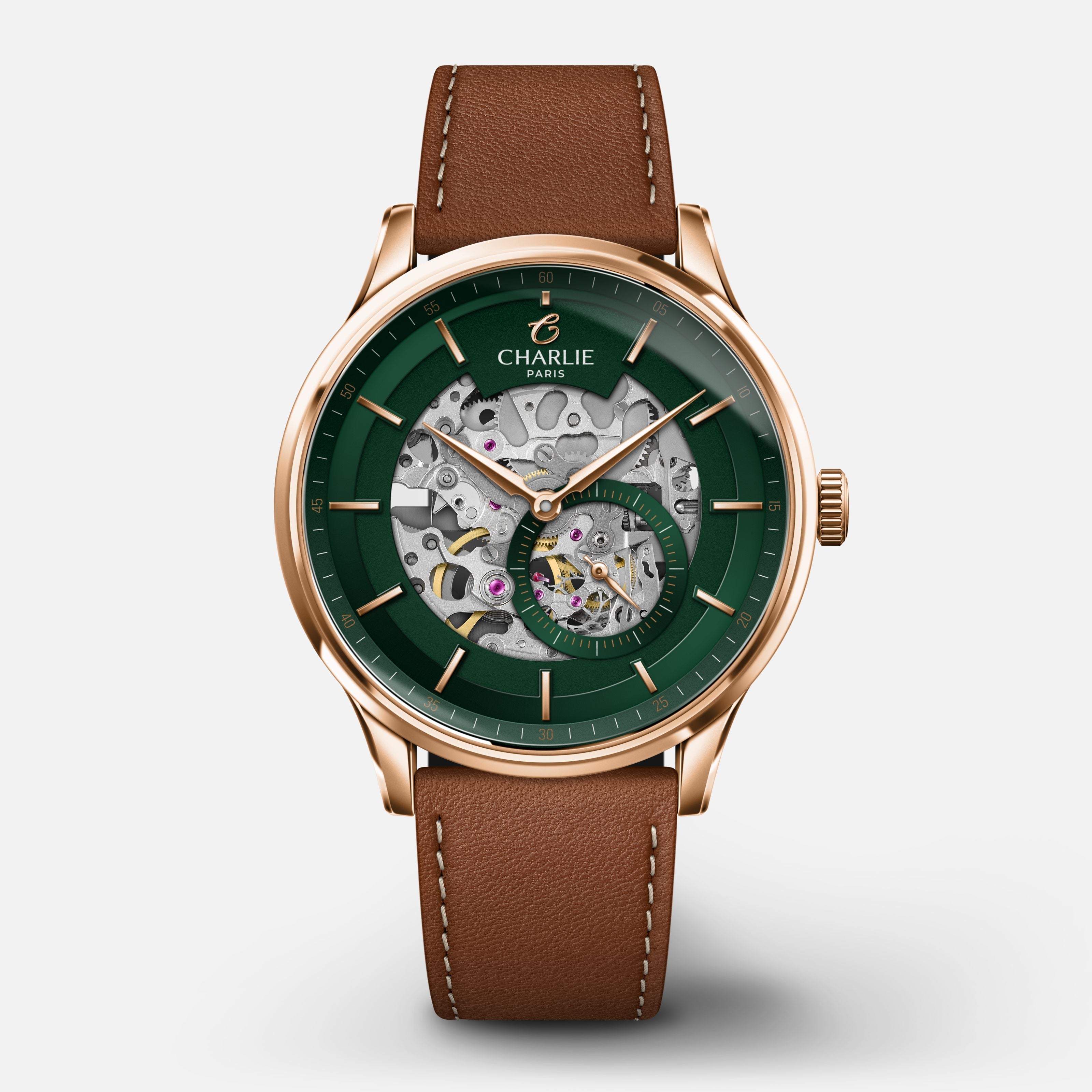
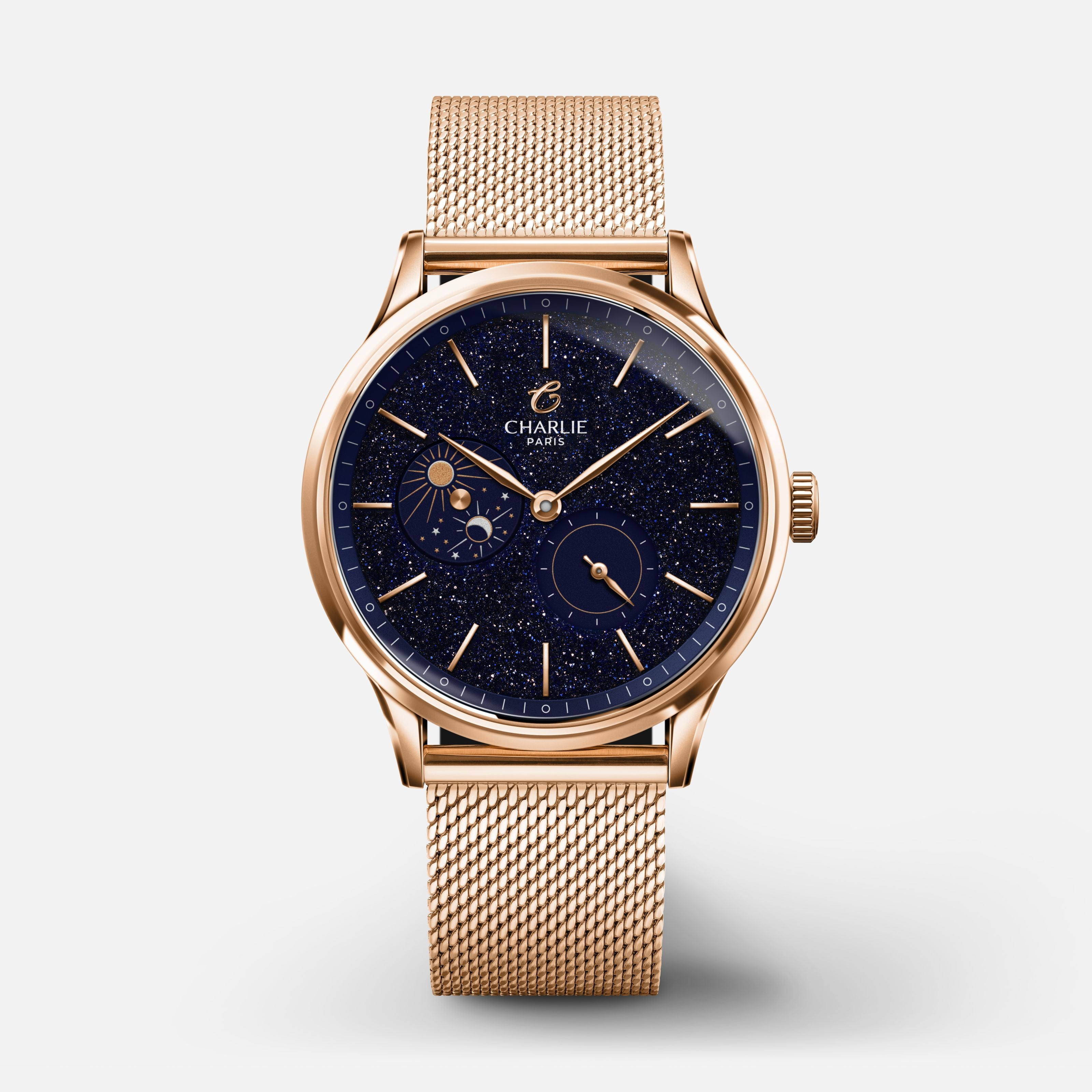
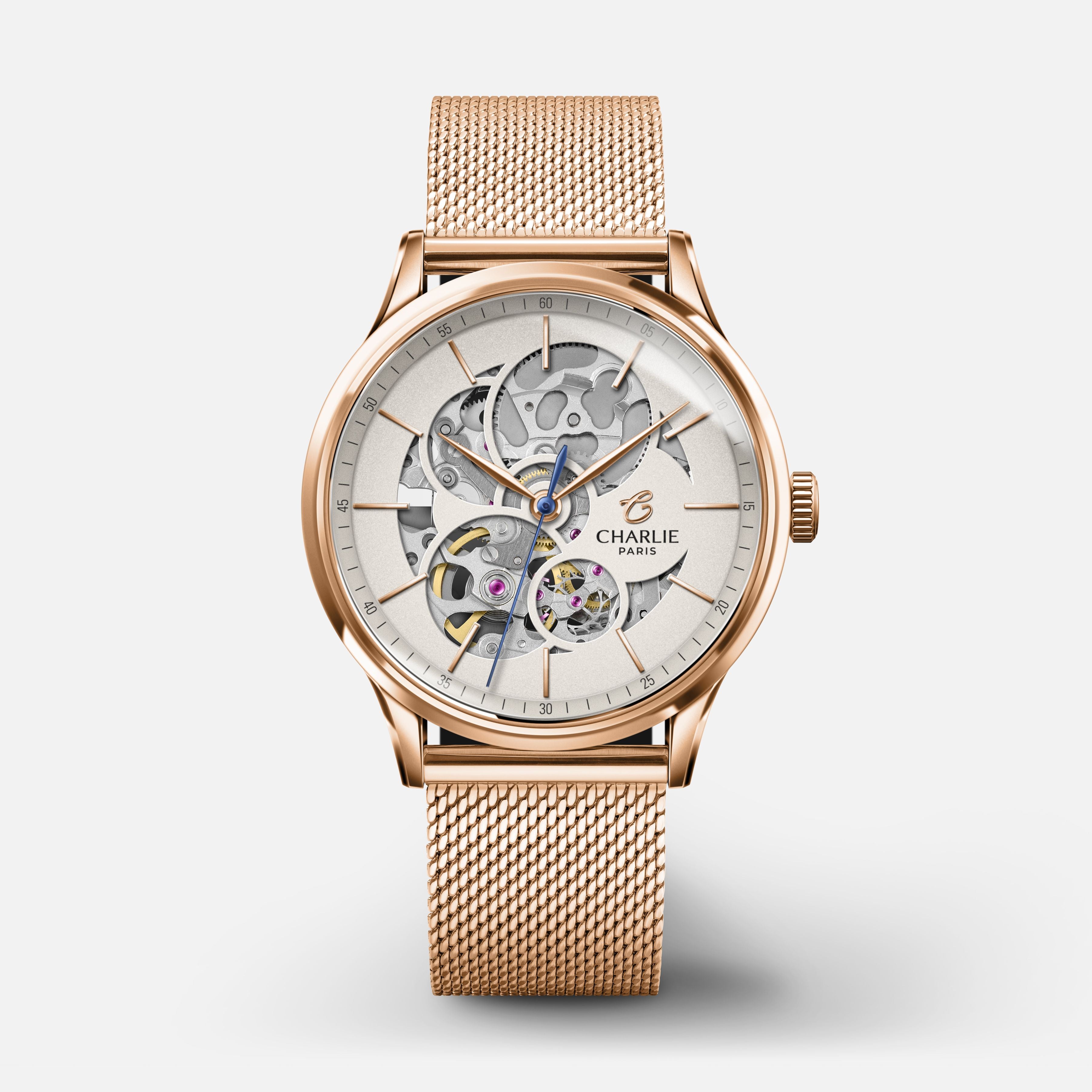
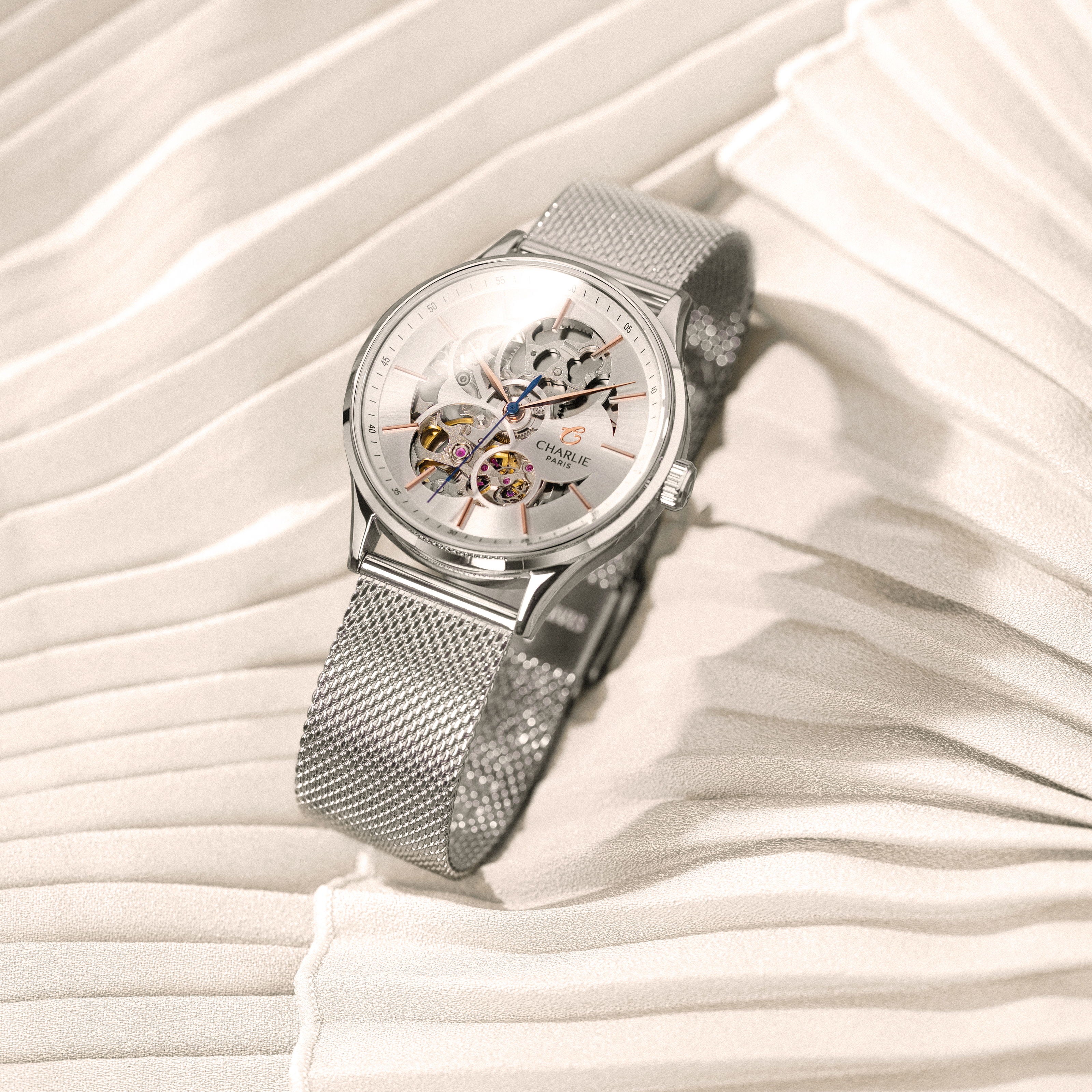
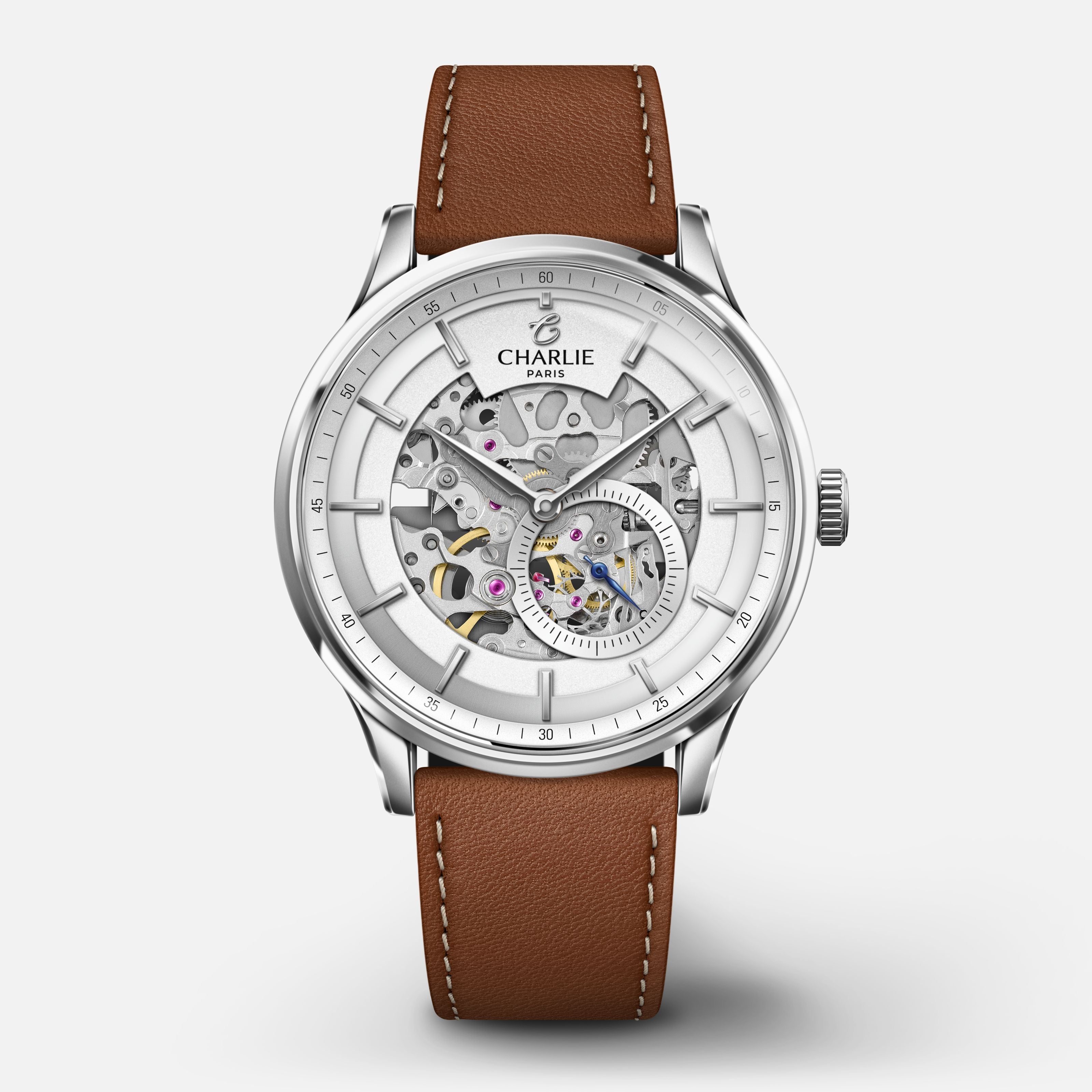
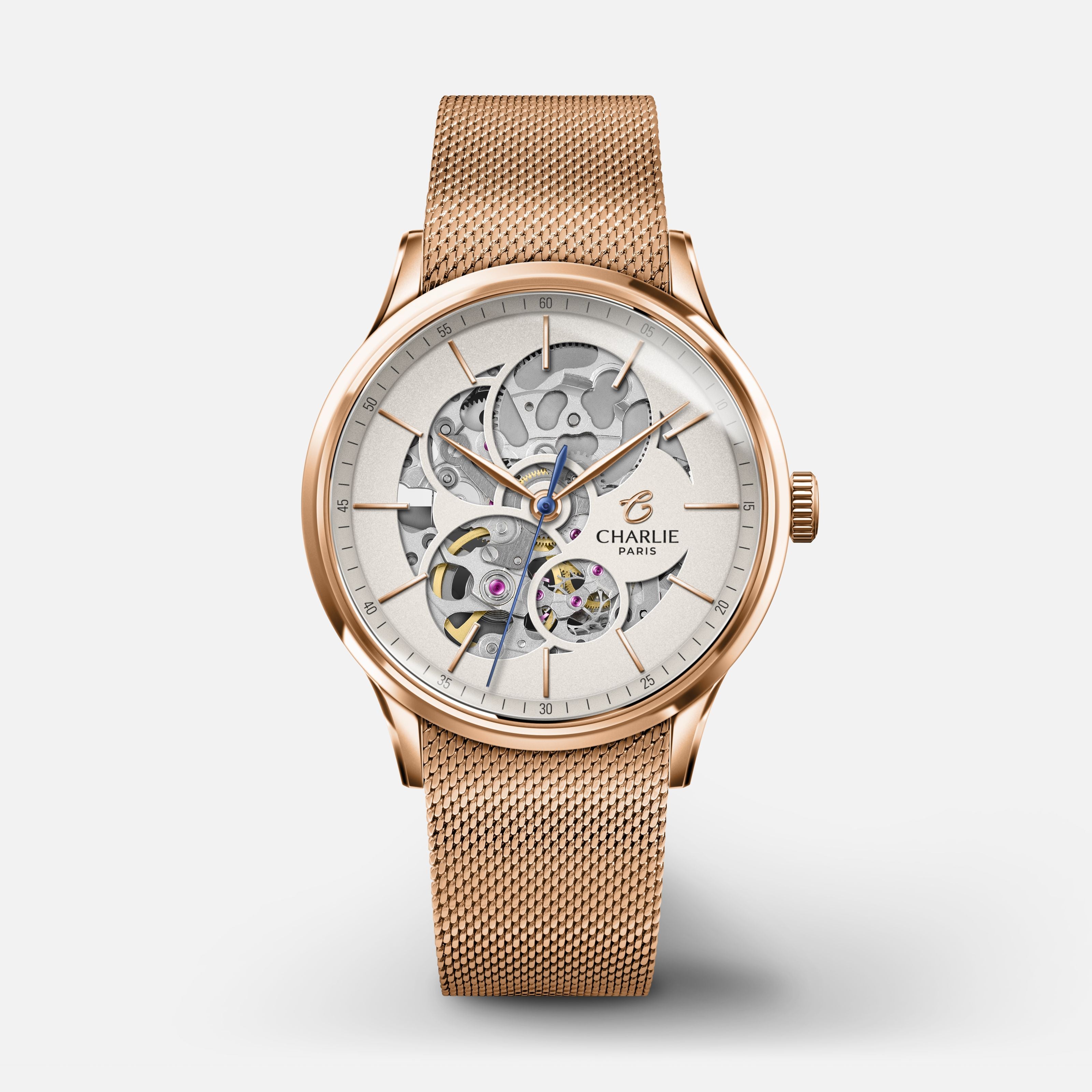
Whether they measure time, the moon, or time zones, complications are the beating heart of fine watchmaking. At Charlie Paris, we integrate these functions with exacting standards and artistry, as our watch demonstrates.


Read more

From exhilarating descents to moments of relaxation overlooking snow-capped peaks, a watch must be robust, precise, and elegant. Discover our selection of models designed to withstand mountain cond...

You own a mechanical watch and you would like to know how to wind it ? In this article, we will explain how to proceed and the steps to follow.